
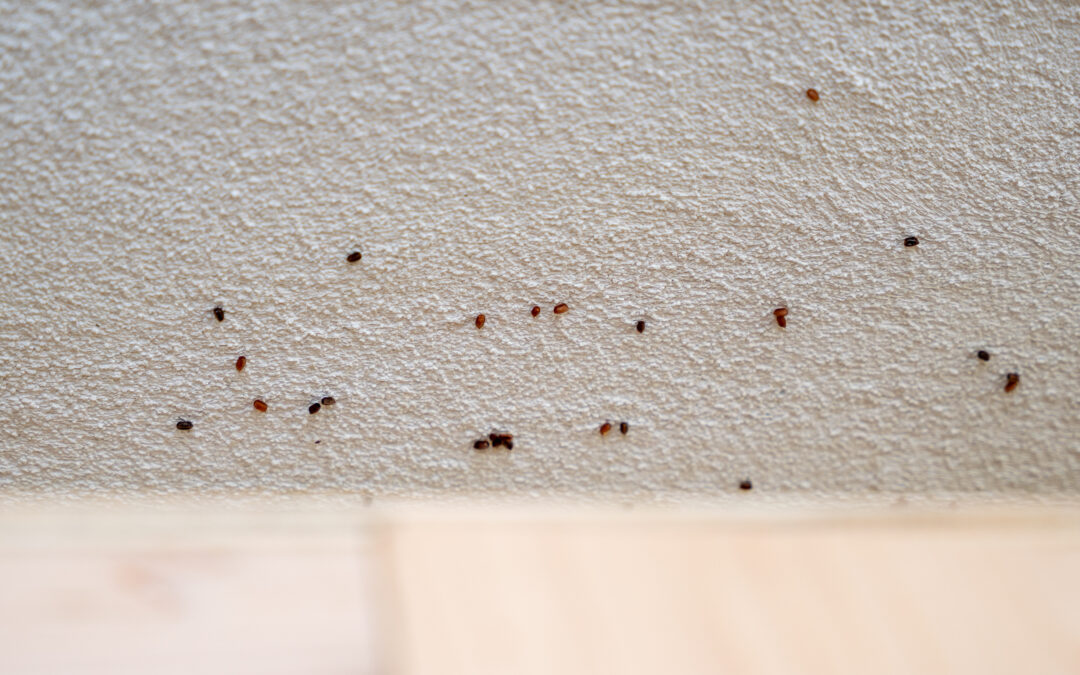
Fall brings beautiful foliage and cooler temperatures to the Greater Boston area, but it also signals the start of pest invasion season. As outdoor temperatures drop, many unwanted creatures seek warm shelter in homes and businesses throughout South Boston, Dorchester, Quincy, and surrounding communities. Understanding which pests are most likely to invade your property this fall can help you take proactive steps to keep them out.
The transition from summer to fall creates perfect conditions for pest infiltration. Insects and rodents that thrived outdoors during warmer months suddenly find themselves searching for food sources and shelter as their natural habitats become less hospitable. Your heated home or office building represents an ideal winter refuge for these unwelcome guests.
Recognizing the signs of common fall invaders early can save you significant time, money, and frustration. Some pests pose health risks, while others can cause structural damage to your property. By identifying potential problems before they escalate into full-blown infestations, you can protect your family, employees, and investment.
Mice and Rats: The Most Common Fall Invaders
Rodents top the list of fall invaders throughout the Boston metropolitan area. House mice can squeeze through openings as small as a dime, while rats need only slightly larger gaps to gain entry. These prolific breeders waste no time establishing colonies once they find suitable shelter.
Signs of rodent activity include droppings near food sources, gnaw marks on packaging or furniture, and scratching sounds within walls or ceilings. Mice and rats contaminate far more food than they consume, spreading dangerous bacteria like salmonella through their urine and feces.
Prevention starts with sealing entry points around your property. Check for gaps around pipes, utility lines, and foundation cracks. Steel wool stuffed into small openings provides an effective barrier, as rodents cannot chew through it. Remove outdoor food sources like pet food, birdseed, and fallen fruit that might attract these pests to your property initially.
Ants: Persistent Cold-Weather Seekers
Several ant species remain active well into fall, particularly carpenter ants and pavement ants common throughout Massachusetts. These insects follow established trails into heated buildings, often entering through microscopic cracks in foundations or around windows and doors.
Carpenter ants pose particular concern for homeowners because they tunnel through wooden structures, potentially causing significant damage over time. Unlike termites, carpenter ants don’t eat wood but excavate galleries for their nests. You might notice small piles of wood shavings near baseboards or window frames if carpenter ants have established colonies within your walls.
Pavement ants typically build colonies under sidewalks, driveways, and building foundations. They’re less destructive than carpenter ants but can contaminate food supplies and create unsanitary conditions. These persistent insects often establish multiple satellite colonies, making complete elimination challenging without professional intervention.
Cockroaches: Year-Round Health Hazards
German cockroaches and American cockroaches don’t migrate seasonally like some pests, but fall conditions often drive outdoor populations indoors. These resilient insects can survive in various environments and reproduce rapidly under favorable conditions.
Cockroaches trigger asthma and allergies in many people, particularly children. They spread pathogens that cause food poisoning, diarrhea, and other illnesses. A single pregnant female German cockroach can produce over 300 offspring in one year, making early detection and treatment crucial.
These nocturnal pests hide during daylight hours in warm, moist areas like kitchens and bathrooms. Check under sinks, behind appliances, and inside cabinets for signs of cockroach activity. Brown or black specks that look like pepper or coffee grounds often indicate cockroach droppings.
Stink Bugs and Boxelder Bugs: Seasonal Nuisances
Brown marmorated stink bugs and boxelder bugs become particularly problematic during fall months as they seek overwintering sites. These insects don’t reproduce indoors but can create significant nuisances when they gather in large numbers on building exteriors or find their way inside.
Stink bugs earned their name from the unpleasant odor they release when disturbed or crushed. They’re attracted to light-colored buildings and often cluster on south-facing walls during sunny fall days. Once inside, they remain inactive until spring but may emerge on warm winter days, creating ongoing annoyance.
Boxelder bugs primarily feed on boxelder trees but also target maple and ash trees common throughout the Boston area. These black and red insects become most noticeable in fall when they aggregate on tree trunks and building sides before seeking shelter.
Spiders: Seeking Indoor Shelter
While most spiders benefit homeowners by controlling other pest populations, their presence indoors unsettles many people. Common house spiders, cellar spiders, and occasionally black widows may move indoors during fall months seeking insects to prey upon.
Most spiders found in Massachusetts homes pose little threat to humans. However, black widow spiders, though rare, do inhabit some areas and require professional removal. These spiders prefer dark, undisturbed areas like basements, crawl spaces, and storage rooms.
Regular vacuuming removes spiders, webs, and egg sacs effectively. Focus on corners, baseboards, and other areas where webs typically form. Reducing other insect populations also makes your property less attractive to hunting spiders.
Cluster Flies: Late-Season Invaders
Cluster flies become problematic in late fall as they seek protected overwintering sites. These large, sluggish flies gather in attics, wall voids, and other secluded areas where they remain dormant until spring. Unlike house flies, cluster flies don’t breed indoors but can create significant nuisances when present in large numbers.
These flies often emerge on warm winter days, appearing sluggish and confused as they buzz around windows seeking escape routes. Sealing entry points before fall arrival prevents cluster fly invasions more effectively than trying to eliminate them after they’ve already moved indoors.
Professional Prevention and Treatment Solutions
Effective pest management requires understanding each species’ behavior, biology, and preferred habitats. Johnny B’s Pest Control has served the Greater Boston area for over four decades, developing targeted strategies for common fall invaders throughout South Boston, Dorchester, Quincy, East Boston, Roxbury, and Milton.
Professional pest control services offer several advantages over DIY approaches. Experienced technicians can identify entry points you might miss, recommend specific exclusion methods for your property type, and apply treatments safely around children and pets. They also provide ongoing monitoring to ensure treatments remain effective throughout the season.
Integrated Pest Management (IPM) programs combine prevention, monitoring, and targeted treatments to provide long-term solutions rather than quick fixes. These comprehensive approaches address underlying conditions that attract pests while minimizing pesticide usage through strategic application methods.
Take Action Before Problems Escalate
Fall pest invasions are predictable events that smart property owners prepare for proactively. The small investment in professional inspection and prevention services typically costs far less than dealing with established infestations later.
Contact Johnny B’s Pest Control at (617) 921-9837 to schedule your fall pest prevention consultation. Our experienced team will assess your property’s vulnerability, recommend appropriate exclusion methods, and develop a customized treatment plan to keep unwanted invaders out of your home or business this season. Don’t wait until you notice signs of pest activity – prevention is always more effective and affordable than reactive treatments.