
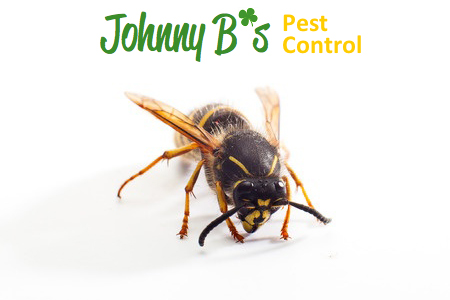
It may seem as though your chances of sustaining a bee or a yellow jacket sting would be at its highest during the summer months. However, if you fear the pain of being stung by a flying insect, like a yellow jacket, the fall months are when you must be most cautious. Fields of grass and wood are full of different stinging insects this time of year. For example, hornets, yellow jackets, bees and wasps are sticking to the forest because they are preparing for the cold winter. Many of these insects are particularly aggressive this time of year because they are trying to protect the colonies that will emerge next spring. Yellow jackets are particularly aggressive in certain situations, and they are to be avoided in all situations.
Yellow jackets dwell beneath the ground. Sometimes they can be seen flying into holes in the soil. These holes are often formed during the early summer months when colonies are not too large. However, by the time September rolls around, these underground colonies can contain around four or five thousand individual yellow jackets. These crowded spaces make yellow jackets grumpy and mean. Also, yellow jackets become more aggressive during the fall because the last brood they produce will become the future queens, and they must be protected at all costs. This will make yellow jackets more protective than normal, which means that they will also become extra vicious towards humans that happen to be near an underground nest.
Stinging insects also encounter humans more often during the fall season because their diets have changed. During the summer, stinging insects prefer to feed on other insects. During the fall, these stinging insects start to forage for their food. They will search for sugary snacks. This will bring stinging insects closer to human environments. Sometimes yellow jackets will become stuck behind the walls of a home while foraging. Luckily, the stinging insects that are foraging near humans are not as aggressive as the ones protecting the nests within wooded areas.
Have you ever noticed an increase in stinging insect sightings during the fall months?