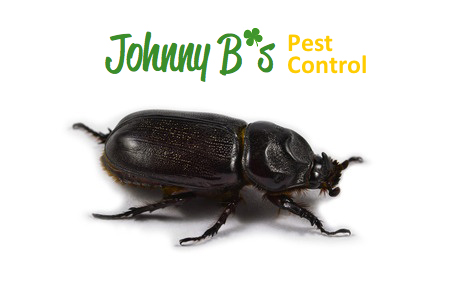
Many of you have probably heard of June bugs before, but have never actually seen one. People often assume that June bugs are really big flies, as they are often mentioned as flying insects. But a June bug is actually a specific type of beetle. These beetles belong to the large genus of beetles known as Phyllophaga, which literally means leaf-eater. The June bug belongs to the scarab beetle family. These harmless beetles are known for flying erratically into people’s homes or vehicles during the summer season. Not only do these beetles fly, but they are also relatively large, which causes many people to run in fear upon encountering one. Unfortunately for June bugs, many do not reach their maximum size because they are killed by waved light flies before reaching adulthood. Waved light flies are brutal predators to June bugs.
Waved light flies do not just kill June bugs. The larvae of waved light flies literally eat June bugs alive. Waved light flies do not look like flies; instead they resemble wasps, and they are extremely aggressive. These violent predatory flies are also parasitic, as they use June bug bodies as vessels for egg storage. A waved light fly will plant an egg below the wing casings of a June bug’s body. If this is not painful enough, once the egg hatches the fly larva starts burrowing into the June bug’s body. A June bug’s sizeable body provides waved fly larva with an ideally large and nutritious first meal. Once the June bug eventually dies as a result of having its innards eaten while alive, the larva will use the June bug’s body as a host until the larva pupates into an adult. Much like waved light flies, native Americans also found June Beetles to be appetizing. Native American tribes would roast June Bugs over hot coals. These beetles were ideal sources of food among natives due to their considerable size and their distinct appearance, which could not be confused with other nastier tasting insects.
Stay up to date with Johnny B’s Social Media Pages!