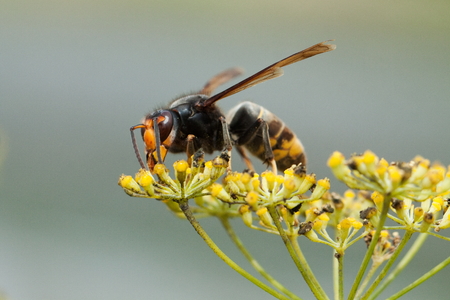
For at least the past decade, experts have been concerned about bee population survival. For the past several years, numerous studies have confirmed and undesirable decrease in bee population numbers around the world, and this crisis is not just affecting bees. Other pollinating insects, such as butterflies and moths are also in need of preservation, as their population numbers are also dwindling. Obviously, the world would be facing major economic issues if pollinating insects were to become extinct. Therefore, it is up to humans to create environmental conditions that are conducive to bee, butterfly and moth life. Many countries are considering how to do their part in the effort to conserve insect pollinators, and Great Britain is leading the way. A new bill that will be presented to the House of Commons next week calls for a clever way to protect pollinating insects. The bill outlines a plan to have a “road network” created throughout Britain. This road network would be lined with tall unmowed grass and abundant flowers that will attract and preserve bees, butterflies and moths.
The above described bill is officially titled “The Protection of Pollinators Bill” and it would require some British citizens to cultivate wildflower corridors so that insects can spread freely throughout the country. The bill may involve the conversion of farmland and landfills into wildflower meadows, and vegetation on roadsides may be allowed to grow free, with very little grooming. Also, many British citizens will be asked to avoid mowing their lawns, since tall grass provides conditions that promote insect life. These measures may be implemented with immediacy if the proposed bill should pass. Britain’s Ministry of Justice and The Environment Agency are now working with a charity known as Buglife to identify sites that are ideal for beneficial vegetation growth. The locations already sited as possible locations for the growth of wildflower habitats include prisons, seawalls and floodplains.
Do you think that more countries should follow Britain’s lead in the effort to increase pollinating insect populations?