
- Wear a bug spray containing at least 20 percent DEET when outdoors, and reapply as directed on the label.
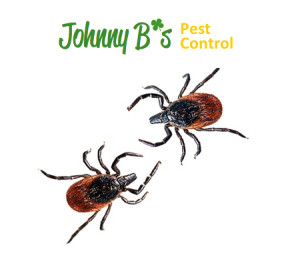
- Wear long pants, long-sleeved shirts and closed-toe shoes when outdoors, especially in wooded areas or tall grasses. Light-colored clothing will make it easier to spot ticks and other insects.
- When hiking, stay in the center of trails, away from vegetation.
- Take steps to keep your own yard tick-free. Keep grass cut low and remove weeds, woodpiles and debris, which can attract ticks and other pests.
- Inspect your pets regularly for ticks, as pets are susceptible to tick-borne illnesses and health-related issues. Consider applying a monthly treatment to help protect your pets from ticks.
- Inspect yourself and your family members carefully for ticks after being outdoors.
- If you suspect you have a tick problem, contact a licensed pest professional who can inspect and recommend a course of action to reduce or eliminate ticks on your property.
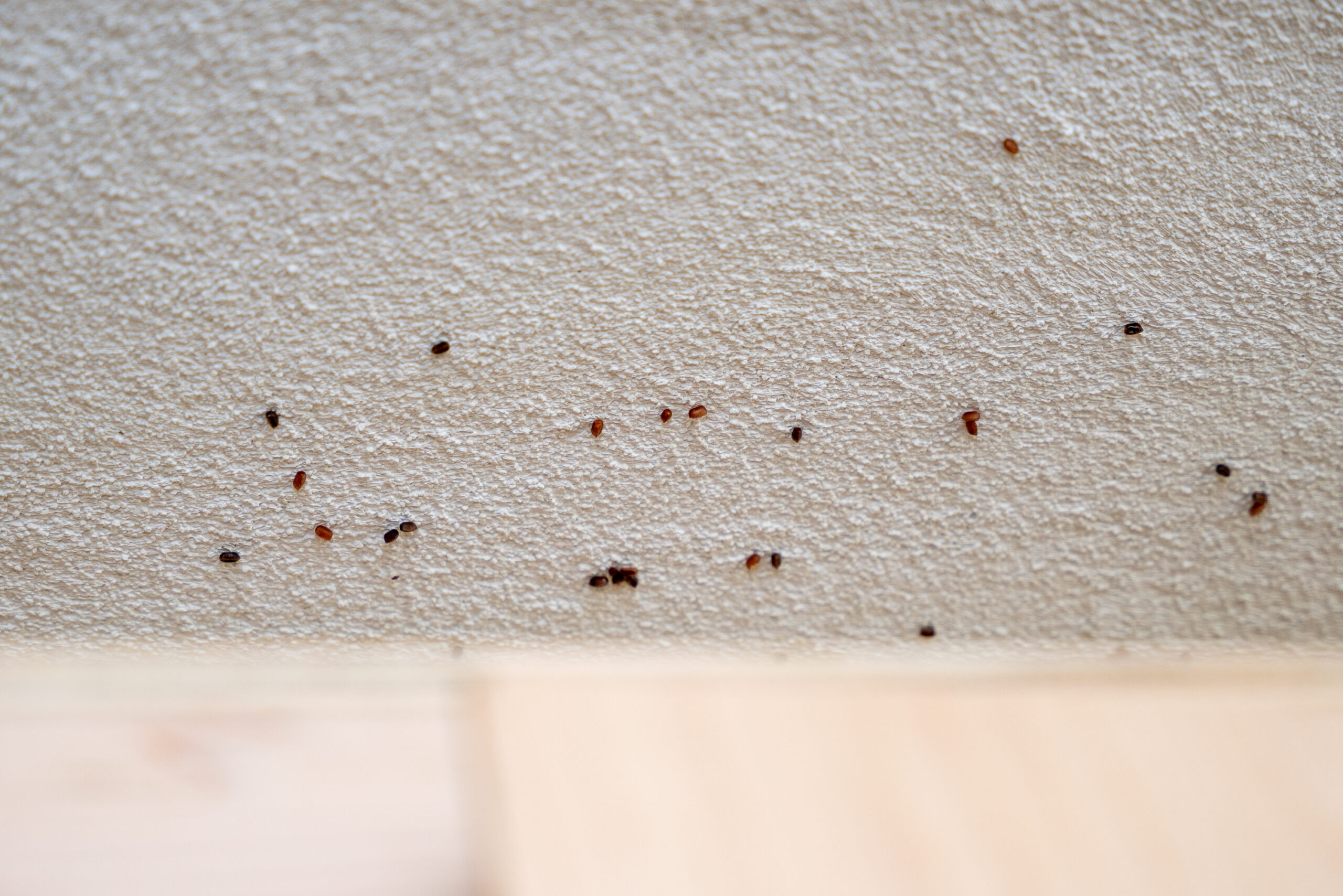
How Do You Pest-Proof a Garage
Quick answer: Pest-proofing a garage means storing pet food, birdseed, and seasonal décor in airtight, rodent-resistant containers, sealing gaps larger than a quarter-inch, and keeping storage areas clutter-free. Rodents and insects are drawn to easy food sources and...