- When spending time outdoors, apply an insect repellant containing at least 20% DEET, picaridin or oil of lemon-eucalyptus, and reapply as directed on the label. People who are spending long amounts of time outdoors should also consider wearing long pants, long-sleeved shirts and closed-toe shoes to limit exposure to mosquitoes. The main type of mosquito that carries Zika is a daytime biter, so taking preventive measures at all times of the day is crucial.
- Anyone traveling outside of the United States should be aware of travel advisories currently in effect. Pack plenty of insect repellant and protective clothing. If a person falls ill upon returning home, seek prompt medical attention.
- Mosquitoes need only about a half an inch of water to breed, so homeowners should eliminate areas of standing water such as flowerpots, birdbaths, baby pools, grill covers and other objects where water collects.
- Even children’s toys like buckets and sandboxes can collect water and become a breeding ground for mosquitoes right in the backyard, so be sure to keep these objects water-free.
- Screen all windows and doors, and patch up even the smallest tear or hole on screens.
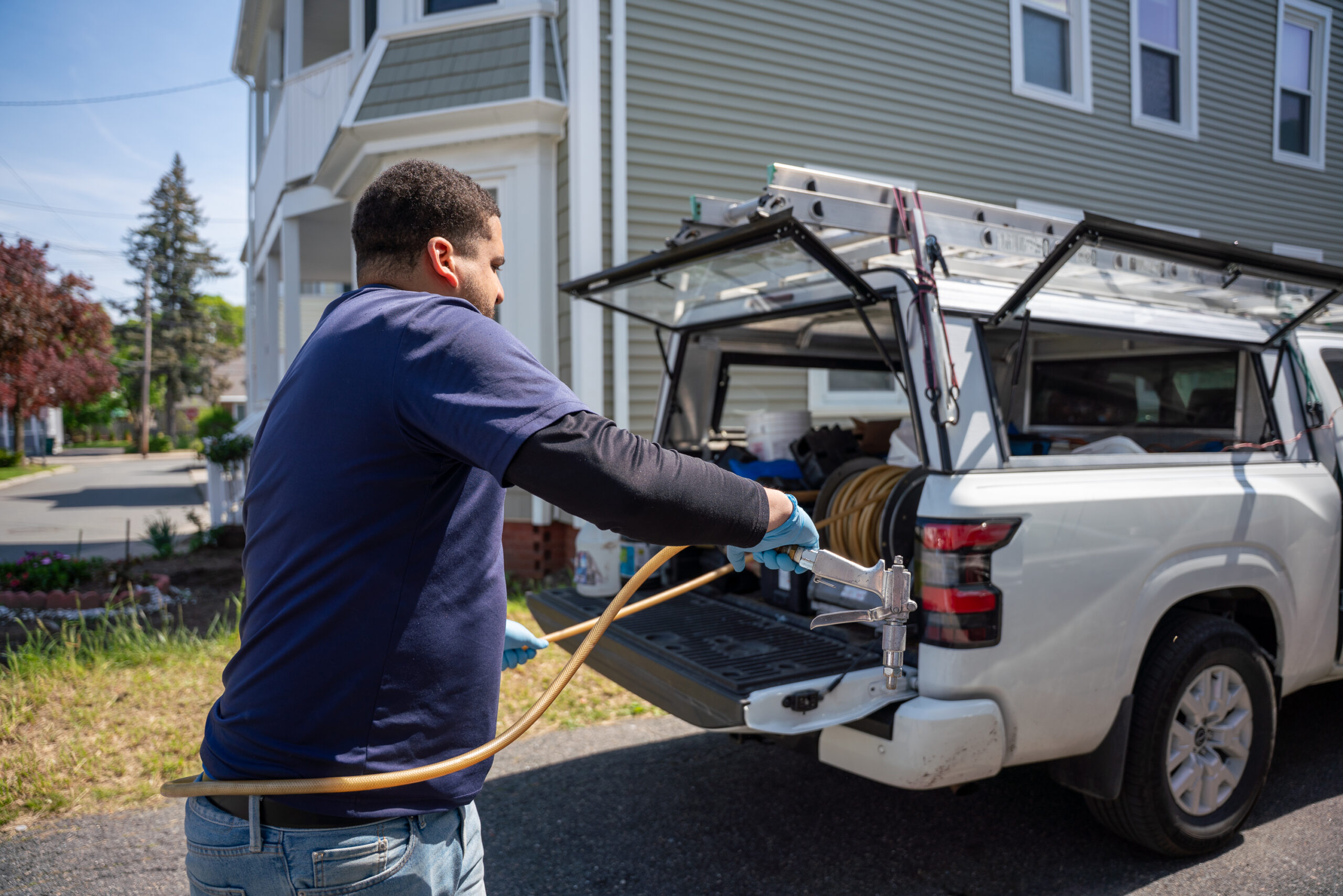
- If there are concerns about mosquito activity on the property, contact a licensed pest control company or the local mosquito abatement district.