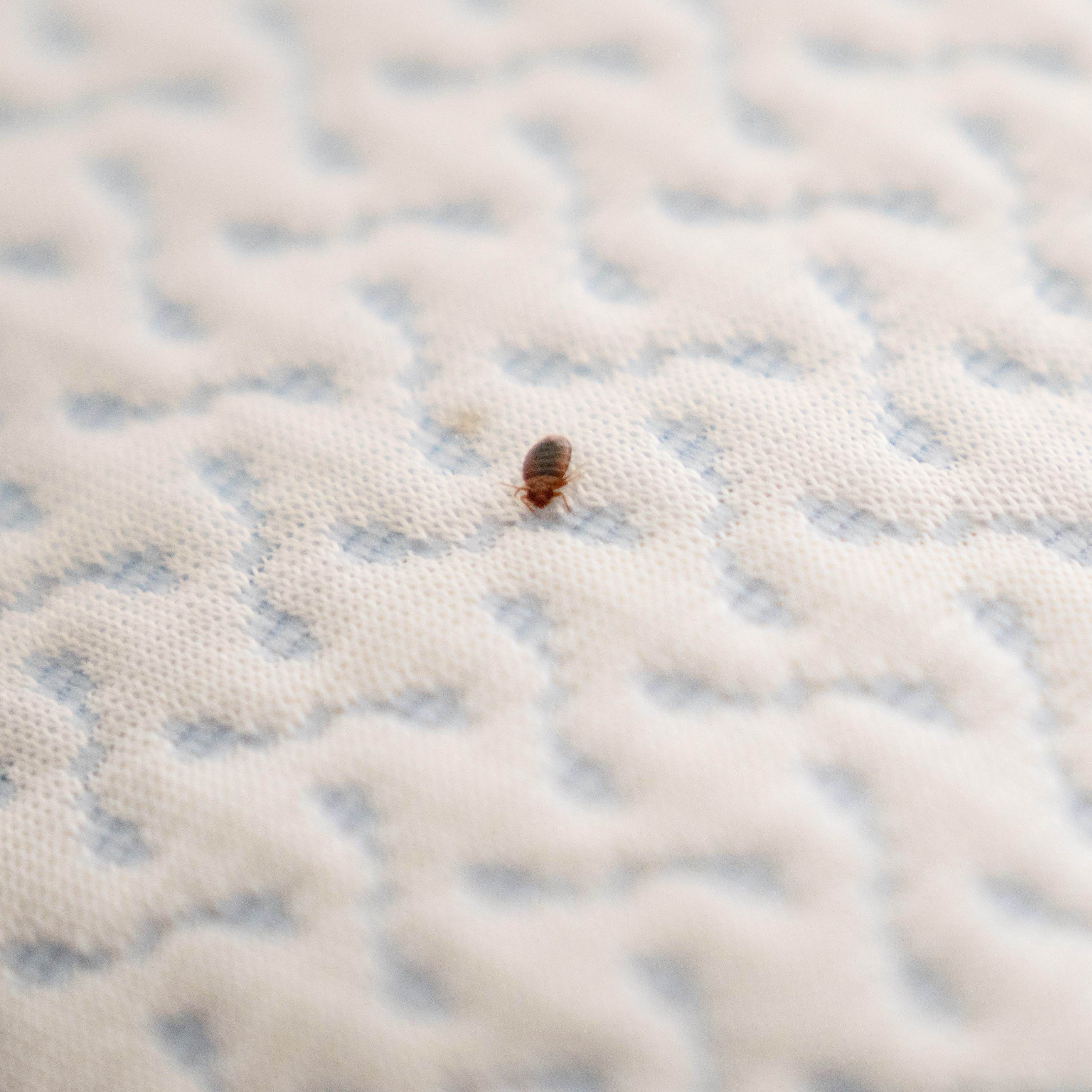
Due to several bed bug infestations within high class hotels, hospitals and in first class seating areas on planes, it seems that no location is immune to bed bugs. Not even the most prestigious university in America. Insect pest control has long been an issue within Harvard University’s libraries, and bed bugs are often found in America’s student dormitories, but how often could bed bugs possibly be found in Harvard’s faculty housing? Apparently, bed bugs have been found within the homes of Harvard professors in the past. According to Harvard University’s faculty housing website, the possibility of bed bug infestations occurring within faculty homes is a topic that is mentioned immediately. The University even posts a guide that explains how professors can recognize bed bugs within faculty housing and what measures should be taken to have bed bugs eradicated. In addition to Harvard, many other Ivy League schools have also reported cases of bed bugs.
According to the Harvard faculty housing website, bed bug infestations reported by the Massachusetts’ housing industry have decreased significantly in the past decade. When bed bugs are found within faculty housing, officials with the university tell residents to notify their property manager, who then notifies a pest control company. It is recommended that residents snap a picture of the specimens for identification purposes. Residents are also prohibited from making attempts to eradicate bed bug infestations themselves.
Harvard has also recently started a pest control program that trains students in the program for a career in pest control by allowing them to work with professors and other professionals to eradicate insect infestations in Harvard libraries, dormitories, faculty housing and campus facilities. Practicing integrated pest management is particularly important within Harvard’s libraries and museums, as these locations contain valuable artifacts, antiquated and important books, historical texts and artworks that must be preserved and spared from insect damage. Wood boring beetles and clover mites have damaged artifacts in these locations in the past. In order to prevent insect damage to artifacts within libraries and museums on campus, bait traps are situated in all areas within these locations, and sometimes pests are killed via a freezing method in order to preserve artifacts. Not surprisingly, students are being trained to prevent bed bug infestations in all campus locations.
Do you believe that integrated pest control is the most effective form of pest control?