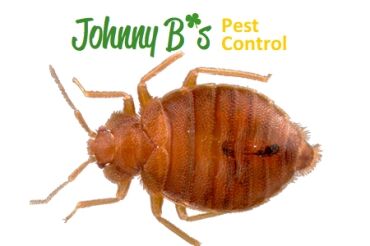
There are numerous small organisms that have evolved to feed on the blood of much larger organisms, as blood contains proteins, lipids and other valuable nutrients that small organisms cannot easily obtain elsewhere. All organisms that feed on the blood of particular animal hosts are properly known as “hematophagous” organisms. Unsurprisingly, arthropods like arachnids and insects make up the vast majority of documented hematophagous species. It should also not be surprising to learn that many hematophagous arthropods are significant disease vectors, including mosquitoes, ticks, fleas, midges, mites, black flies, assassin bugs, and many more. While bed bugs are hematophagous insects, they are one of the few that do not transmit disease to humans, but this does not mean that their blood-feeding activity is always harmless.
Most hematophagous arthropods inject anesthetic salivary compounds into the skin while feeding in order to prevent their hosts from noticing the sensation of being bitten. This protects hematophagous arthropods from injury or death, as humans and other animal hosts would certainly swat at any bug after sensing the pain of its bite. As it happens, many people are allergic to certain compounds in the saliva of hematophagous arthropods, and severe allergic reactions, including potentially fatal cases of anaphylaxis, have been well documented in response to the bites inflicted by many arthropods, including bed bugs.
Bed bugs inject at least 46 different proteins into the bloodstream of their hosts, and some of these proteins produce an allergic response in human bed bug bite victims. While a minority of individuals experience no itchiness, redness or any other allergy symptoms in response to bed bug bites, most people quickly develop an immune sensitivity to the proteins in bed bug saliva after sustaining a small number of bites. The most common reaction to bed bug bites are local itchy red macules, and for some people, these small macules develop into large wheels, or even puss-filled blisters. Up until somewhat recently, experts believed that incidents of systemic symptoms, anaphylactic shock and death in response to bed bug bites occurred very rarely. However, a recent study found that people can grow progressively more sensitive to bed bug bites, and those exposed to repeated bed bug bites are at high risk of serious and deadly allergic reactions.
Have you ever experienced repeated bed bug bites that produced allergy symptoms that became progressively more severe?