
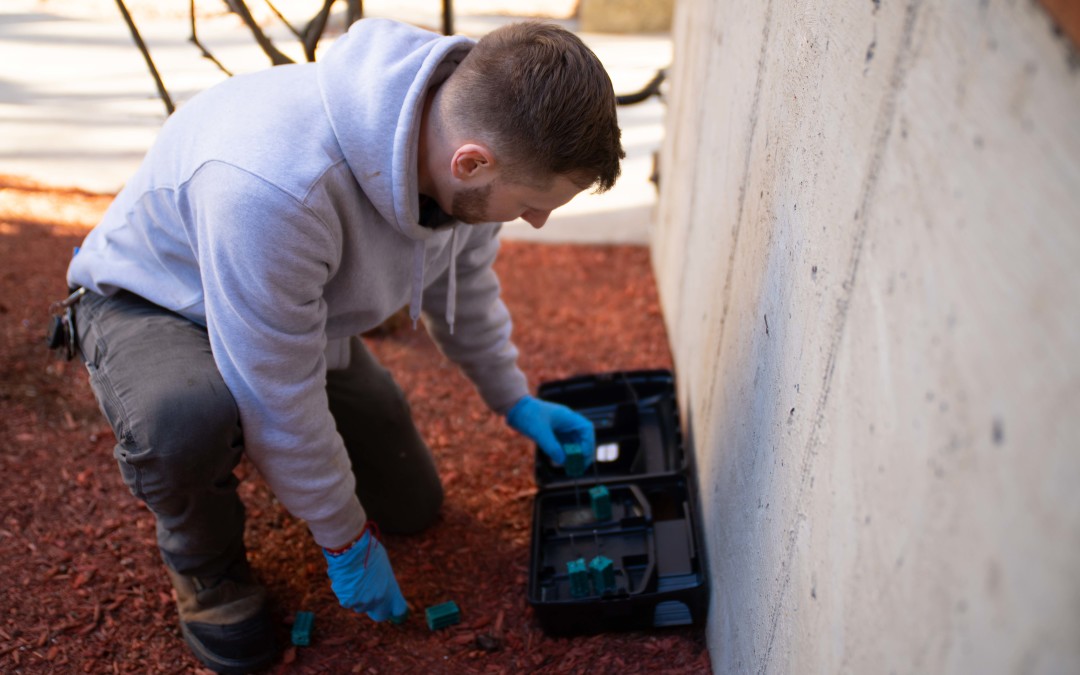
When it comes to car problems, there are countless possible causes. However, motorists might be surprised to learn that a rodent infestation could be what’s plaguing their vehicle. Johnny B’s Pest Control cautions drivers to be on the lookout for a rodent problem under the car hood and take the necessary step to prevent it from happening to them this winter.
When the temperature drops, rodents seek shelter, food and warmth in order to survive the colder months, which is why they often move into homes this time of year. Unfortunately, cars offer the same protection and food sources for rodents that homes do. Plus, eco-friendly materials increasingly being used by car manufacturers, such as soy-based wiring, only further attract them and their palates.
Sneaking into cars is rather easy for rodents, as mice and rats can fit through holes as small as a dime and a quarter, respectively. Steering columns, vents, pedal shafts and other openings serve as the main access points into vehicles for these intruders. Upon gaining entry, rodents commonly use insulation as nesting material and wires, tubes and circuitry as meals, leading to short circuits and other electrical problems.
Aside from costly car repairs, rodents can compromise human health by spreading disease and causing respiratory issues. To mitigate this imminent threat to both drivers and their vehicles, Johnny Bs pest Control recommends the following prevention tips:
- Seal up points of entry into garages using a silicone-based caulk, steel wool or a combination of both.
- Check under the car hood for gnawed materials, droppings, nests and frayed wires.
- Maintain a clean car by promptly wiping up spills, and disposing of paper, fast food bags and other trash in a sealed receptacle.
- Consult with a professional automobile mechanic if signs of a rodent infestation are found.
- Consider partnering with a licensed pest control professional to ensure an infestation doesn’t spread from the car to the home.