Most people avoid paying attention to the growing ants in your home or property. If they are outside, there is no issue. But, if they are inside, a few little ants cannot harm anyone. Although ants may not pose any immediate health risks, they are a nuisance to your home and health in the long run.
Let us look at the top risks ants carry.
Top 3 risks ants bring along
- Risk your dwelling
Termites need no introduction. We all recognize the potential damage a termite can cost your home. Just like termites, there are a few ants that carry the same reputation of destroying your furniture: Carpenter Ants. These ants can significantly damage your furniture as they feast on wooden structures. Areas such as door frames, wooden windows, etc are easy targets. One can determine whether or not their house is infested by these ants by simply searching around for piles of wood shavings.
- Double the risks to your home by inviting other pests
A house infested with ants is any day a viable source of food for other pests. Pests such as spiders, roaches, and others may find your home appealing as they hunt for food. Spiders such as the brown recluse spider and the black widow readily feast on ants if given an opportunity. These instances may eventually even invite bats, as bats too are known to consume half their body weight in insects.
- Health Risks
All ants possess the ability to bite, and when they feel threatened they use their sharp mandible and mouth to their defense, causing immense pain and discomfort. These bites can often trigger swelling in and around the area. Sometimes, if not acted wisely by offering the care needed, the skin may tend to get irritated and develop an infection.
- Extreme Health Risks
Some ants possess stingers. Stingers are used to inject venom and thereby cause a stinging effect. Unlike ant bites, stings are extremely painful and can possess life-threatening risks. The Fire Ant’s is quite known for its sting. The sting effects may differ from individual to individual, but symptoms such as nausea, diarrhea, dizziness are common.
Dangerous Ants to Avoid
- Moisture Ants and Carpenter Ants are an all-time nuisance. One can avoid them by simply stripping sensitive areas of moisture, as these ants survive on moisture.
- Pavement Ants are brownish-black in color and possess stingers. These ants are attracted to food, especially sweet products. These ants can be a total nightmare to your kitchen as they not only feast on your food but deposit harmful substances as they crawl through the filth.
Final Words
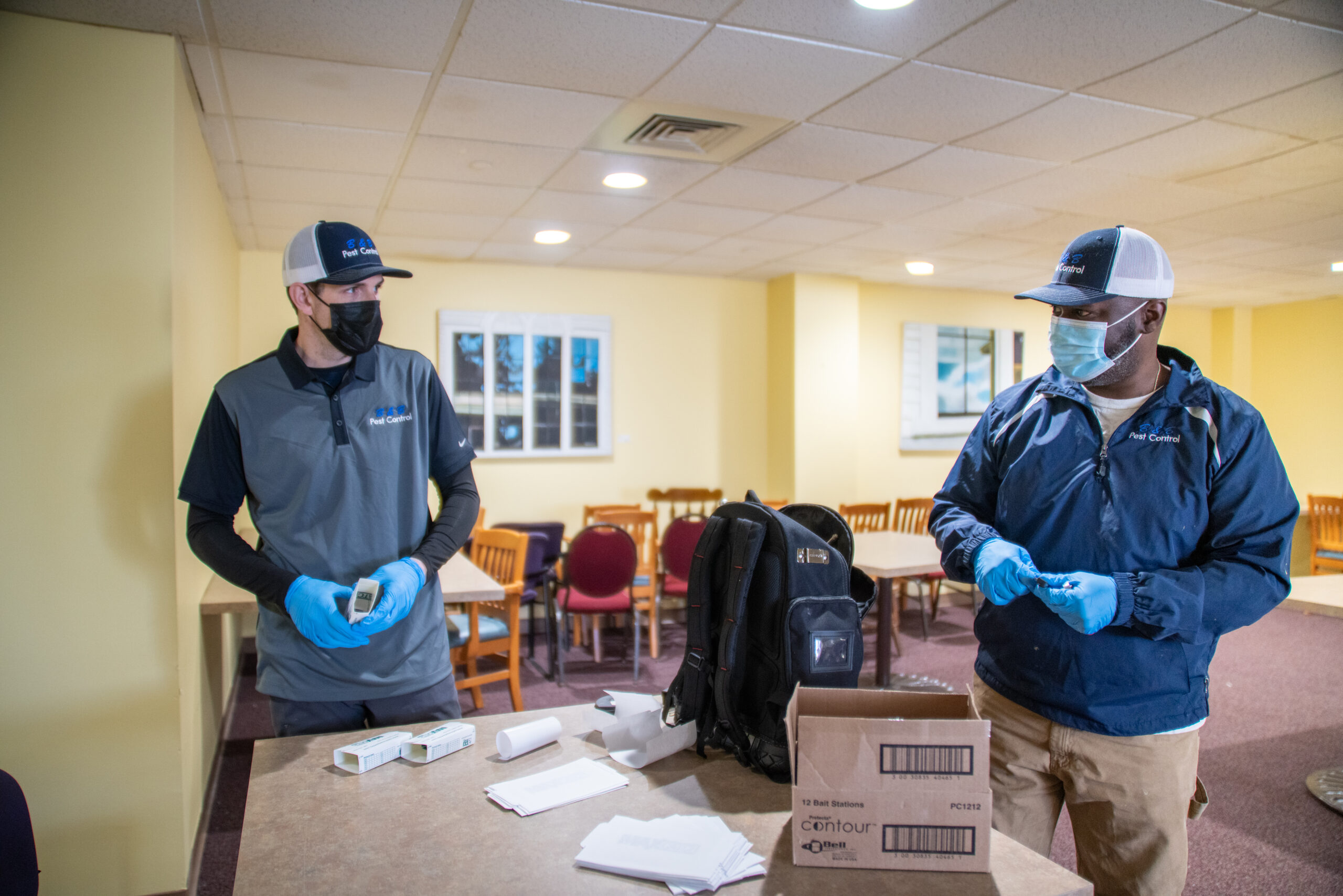
If there are ants in and around your home, it is time to call pest control services. The professional experts take ant infestations seriously. Control ant infestations that spread, illness destroy property, and stink in your home.