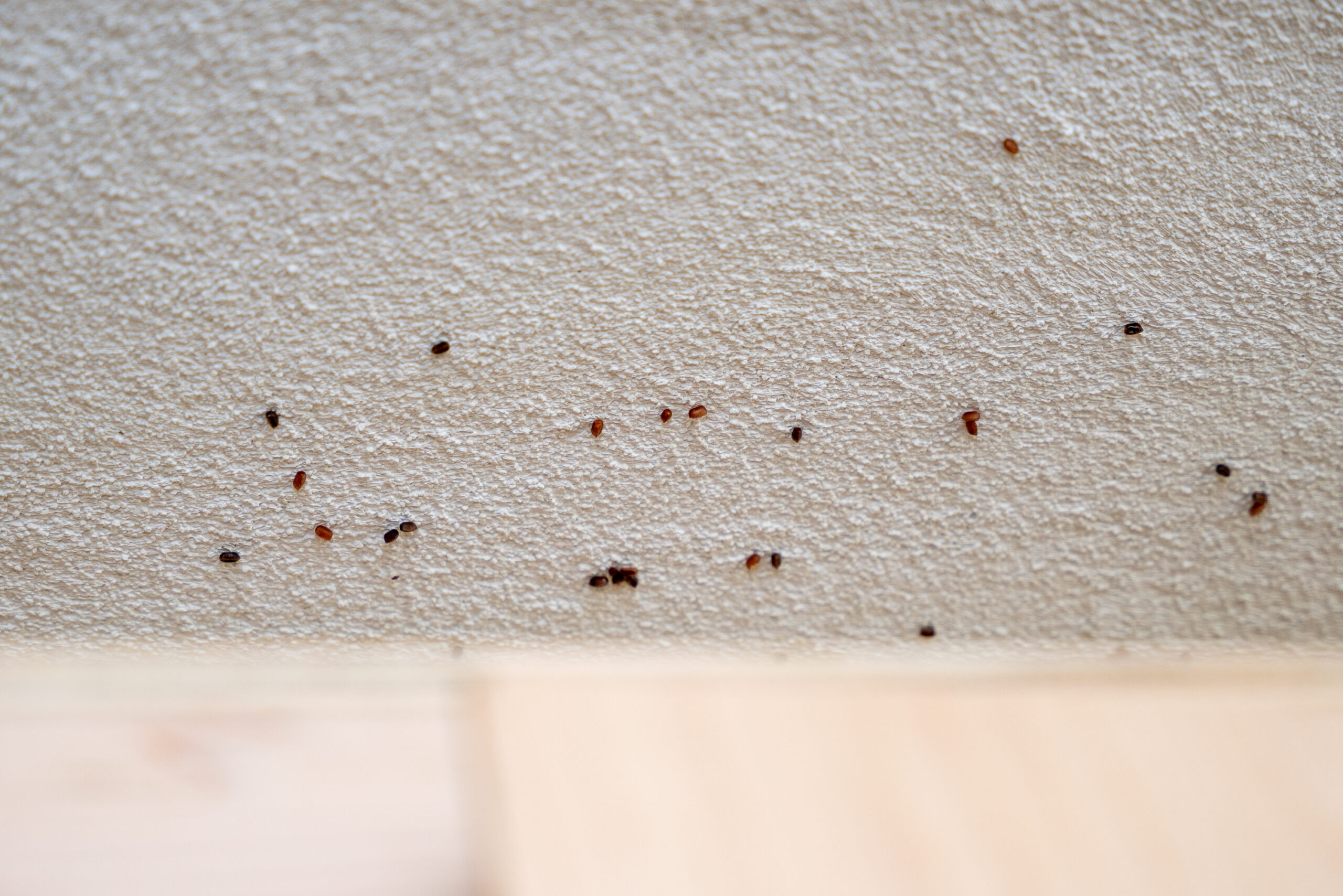
Finding an ant crawling on the top of your kitchen counter is annoying but not too surprising. We frequently call these ants “kitchen ants” or “sugar ants.” There are several ant species in the world. Few species of ants make up the usual aspects.
The best way to understand why they’ve come to your home let’s explore the Ants diet and what they eat.
Eating Habits:
The location, species, and seasons can all affect the food choices and diet of an ant.
After spring, when they focus on increasing their numbers, these ant species will intake a high protein diet. Once the next generation has hatched their eggs, they will intake a high-carb diet.
What do Ants eat in the wild?
When they live outdoors, ants will rely on dead insects for a high protein diet. For a high-carb diet, they will feed the larvae a substance called Honeydew.
Honeydew is a liquid substance produced by aphids and scale insects when they feed on plants. Ants protect Honeydew makers from the predators such as lady beetles and get unlimited food in return.
What do they eat inside?
Even when they stay indoors, the nutritional needs of ants will remain the same. Ants make their way inside your home to eat tasty treats they can’t get outdoors.
Since ants are opportunistic pets, they will start getting whatever food is easy to get. An uncovered trash bin spilled juice, and crumbs of leftover food are some easy pickings.
How do ants find food?
Ants have chemo sensors which is the ability to detect chemicals even at low concentrations. The small bristles on their body working as olfactory receptors attract them to sugars, fats, and proteins.
When they find the food source, they will leave a sense of pheromones while going back to the nest. It will help them to get back to the same food source.
Different species of Ants Diet:
Let us explore the diet of various ant species:
Odorous House Ants:
These ant species love sugary foods. These species of ants have Honeydew which is a liquid secretion of Aphids.
They also love to eat sugary crumbs spilled over the floor. When they don’t get sugary foodstuffs to eat, they will have dead insects.
Carpenter Ants:
Carpenter Ants are often confused with termites. Many people think they live on wood for their survival. However, these ant species dig wooden elements to form their nests. These ant species love to eat sugary foods and survive on dead insects and animals to eat.
Argentine Ants:
Argentine ants eat sweets, meat, dead insects, and animals. However, these species are known for adapting to changes to the environment where they live. Research shows that they become predators of native ants and consume an entire protein diet. When there are no insects to eat, they will switch to a sugar-water diet.
Fire Ants:
Fire ants have strong mandibles which help them to sting strongly and take human flesh. They love to eat greasy meals, meats and even prey on younger birds.
Wrapping up:
When you observe ants crawling in your house, see where they are coming from and what they are eating. Pest control is never an easy task, but if the ant infestations are growing day by day, you need to call pest control experts.