
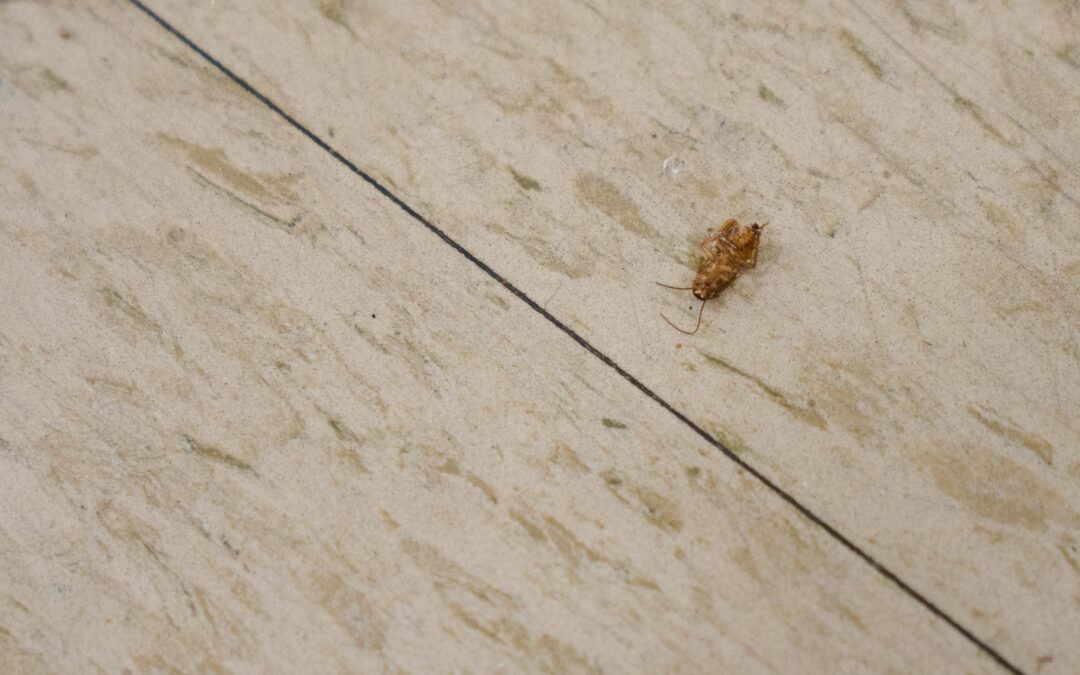
Cockroach pests have evolved to live alongside humans within homes and buildings. Most cockroach species are non-pests that live in tropical regions around the world, but in more temperate areas, cockroach pests establish indoor harborages in dark and moist conditions near food and water sources. Cockroaches usually live in groups due to their quasi-social behaviors, and during the day they remain hidden within wall voids and other dark and hard-to-access indoor areas where moisture is plentiful. At night, a small number of select cockroaches leave their indoor hiding spots to gather food for their nestmates. Cockroach pests will eat a large variety of foods, including all foods meant for human consumption.
Cockroaches prefer to feed on starchy and sugar-rich foods, and they are known for sipping milk and nibbling on cheese, meats, pastries, grain products, and chocolate. Cockroaches will also readily feed on cardboard, paper, bookbinding adhesive, lining of shoe soles, the skins shed by developing offspring, dead roaches, ceiling boards dead human skin, hair, fresh and dry blood, excrement, sputum and the fingernails and toenails of babies, bedridden sick people, and sleeping people. It is not uncommon for cockroaches to arrive in homes within boxes or bags of food and drinks from poorly maintained supermarkets.
Cockroaches are medically significant insect pests due to their habit of eating stored foods, which results in contamination. It should be assumed that any food that has made contact with even one cockroach contains excrement, saliva and urine, and therefore, all foods that have, or may have made contact with one or more cockroaches should be discarded. Cockroaches also periodically vomit pre-digested foods and drop feces throughout homes, which can pose a disease hazard to humans. Cockroaches secrete nauseous and foul-smelling fluids from their mouth and glands, and this smell can often be detected within foods that have become contaminated by cockroaches.
Have you ever detected cockroach odors within your home?