At about two inches long and a 30 leg count, the centipede can be quite the sight to behold. It is also very fast, and it really likes to live indoors. However, did you know that the presence of centipedes could indicate larger pest problems? Here’s why:
House centipedes go where the food is
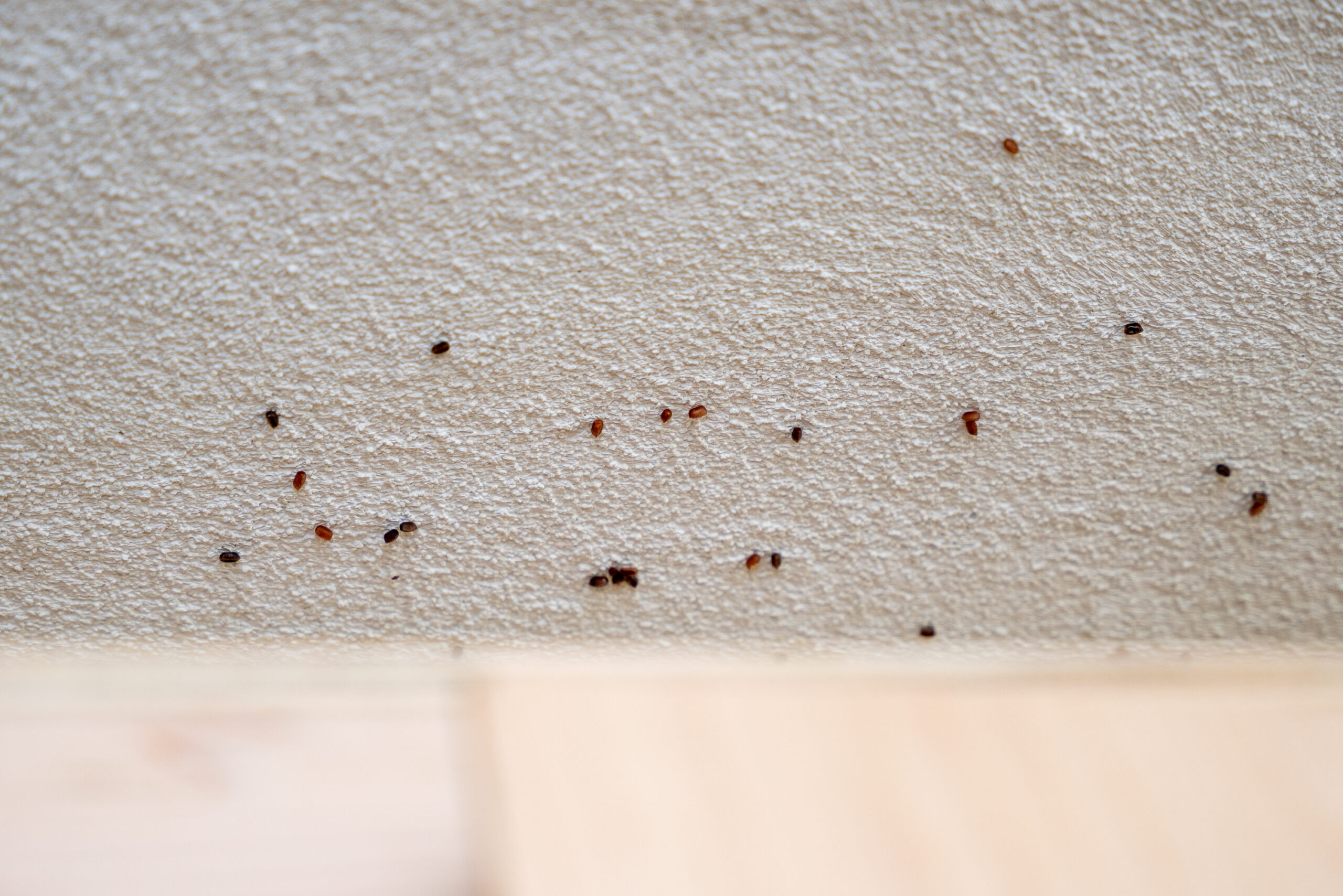
Like all pests, house centipedes go where the food is, which in this case, it means that they go where the insects are. Centipedes are predatory insectivores, so they hunt down other insects to eat them, just like spiders. Their diet is quite varied. They will eat cockroaches, spiders, silverfish, moths, ants, flies, bedbugs, termites, earthworms and crickets. So if you have centipedes in your home, it means that you might have a large enough population of other pests to sustain them.
Other warning signs indicated by house centipedes
Centipedes will also indicate other issues, one of which is high levels of moisture. It’s not unusual to have humidity in your kitchen, bathroom or basement, but when house centipedes are present in the home, it means that these rooms are humid enough to keep centipedes alive. To counteract this moisture, you can use exhaust fans or dehumidifiers.
Are house centipedes good pest exterminators?
Since centipedes are predatory, it might seem like a good idea to keep them around for pest control. However, they do not hunt and eat in the volumes needed to completely exterminate a population of insects. Even outside, they are not much of a deterrent to other insects. So they’re not really good pest exterminators, and the best move if you have a centipede infestation is to have a pro remove the centipedes and then perform an inspection to detect any other pests.
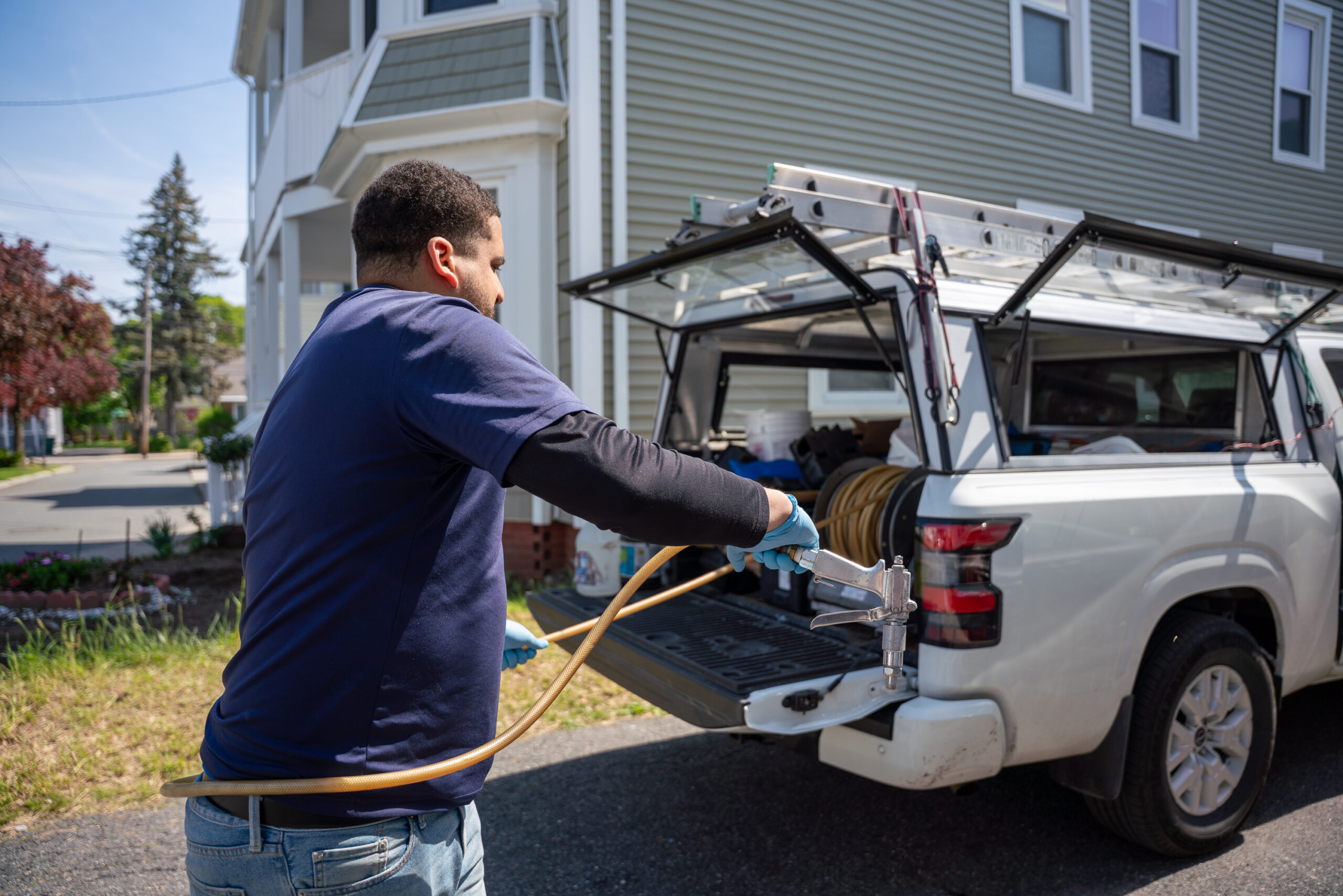
Professional centipede removal revolves around baits. Baits are placed around the home, in rooms that usually have large centipede populations, and then the process is repeated until every centipede is dead. It’s important to be thorough with this control effort, otherwise centipedes will simply reproduce and you will be right where you started in a few weeks or months. When combined with prevention methods, such as lowering the humidity of the home, a removal process can be pretty much permanent. If you would like to know more about centipede control, or if you have an infestation that needs to be removed as soon as possible, contact us