If you’ve ever come across fire ants, you will probably remember these insects for the rest of your life. This is because this ant species is known for two things – its aggression and its painful sting. Whenever someone gets too close to a fire ant mound, which are often found in our gardens or backyards, the fire ants swarm, attacking the person responsible multiple times.
The dangers of the fire ant
The biggest threat posed by the fire ant is its sting. Fire ants have a venom that will form itchy, painful pustules on the skin when it is injected, and these pustules can last for up to a week. On top of that, some people are allergic to the venom, and they can have severe reactions to being stung.
Why the fire ants invade
Fire ants will build a nest in any location that has ready access to food sources, and these food sources include pretty much everything, since fire ants are omnivores. They will eat seeds, meat, insects, sugars, fruits, grease and even oil, if they are within 100 feet of the nest. The ants will go through compost areas, outdoor eating areas, recycling bins, trash cans, gardens, and homes. Their preferred environmental temperature ranges are between 70 to 90 degrees Fahrenheit, and they will forage for food 24/7.
Preventing fire ant infestations
There are a few things that you can do to prevent fire ants from setting up on your property. To start, you want to deny them as many food sources as possible. Make sure that you keep your trash cans and recycling bins lidded, and that you keep your outdoor areas free from food debris. You also want to make sure that you keep the food inside your home, and the pet food, in sealed containers.
Removing the fire ants
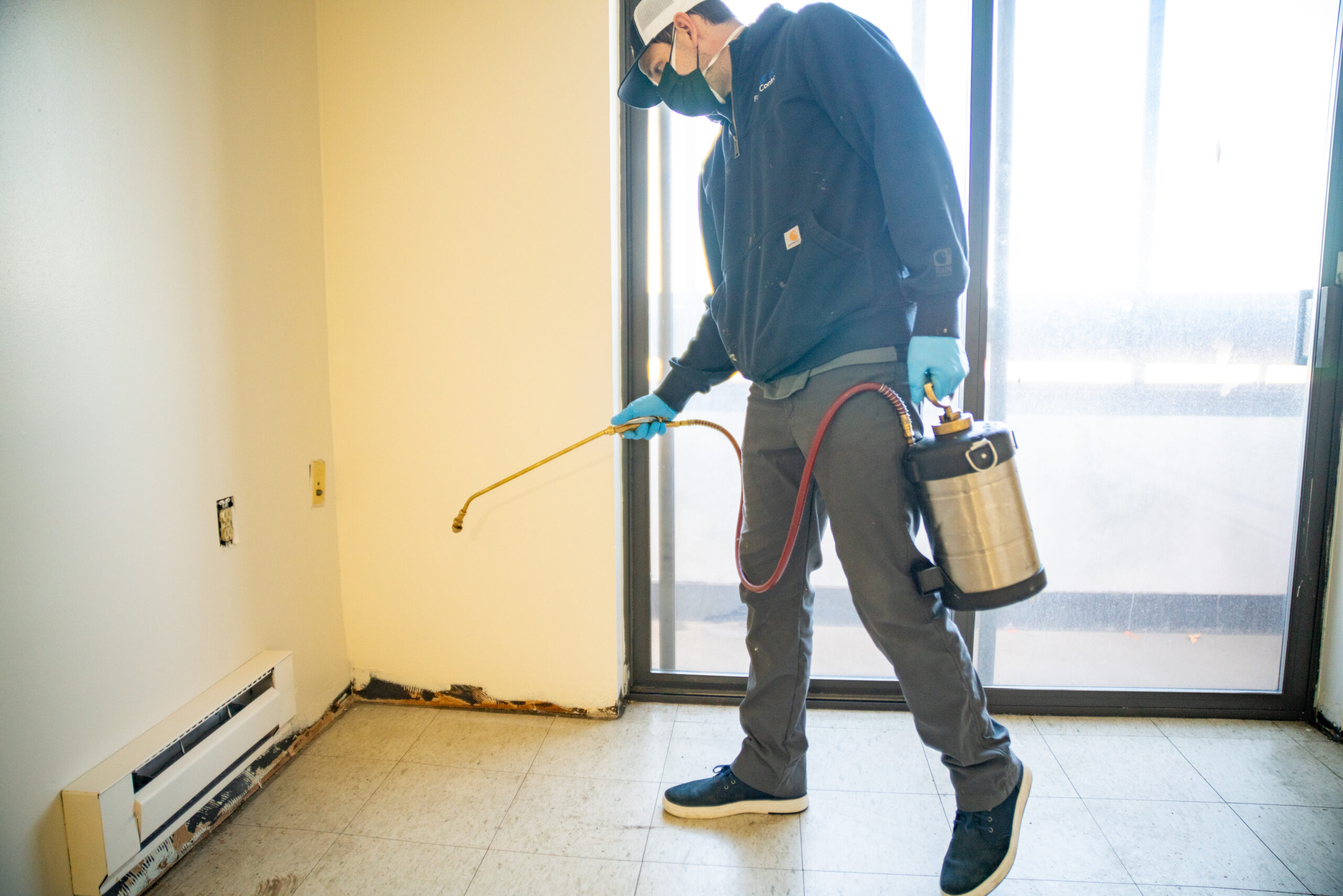
Removing fire ants can be dangerous, since they are so territorial, which is why you will need the help of a pro to get rid of a colony once it is set up on your property. The colony can be removed either using direct-apply insecticides or using baits, depending on the situation. If you would like to know more about fire ants and fire ant control, or if you have a fire ant colony that needs to be removed, contact us today. We will gladly help you out.