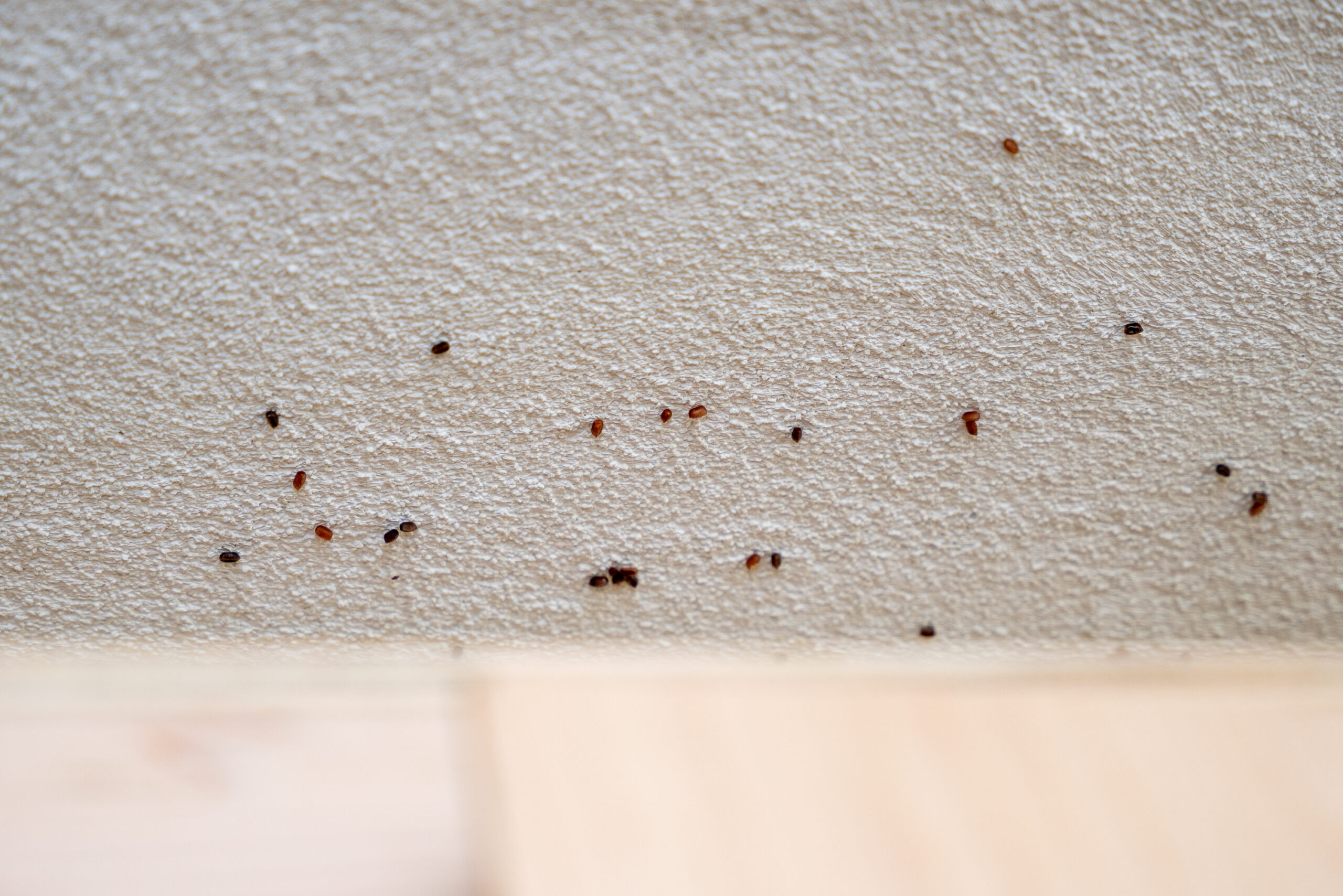
Ant infestations can be strange. Some last for a day or two and then you never see the ants again, and others can last for weeks or months, and no matter what you do, you can’t seem to get rid of them.
The first type of infestation is more like a visit. There is a colony somewhere near your home, and the ants were drawn inside by the prospect of finding some food. Once the food sources are gone, the ants will not come back. This type of infestation can easily be addressed with a repellent that will drive ants away from certain areas of the home.
It is the second infestation type that you have to worry about. During this infestation, the ants have built a colony indoors, so even if you stop them from crawling around in the kitchen, they will be busy growing their numbers silently. This can be a real issue if you are dealing with carpenter ants, which build their colonies inside the wood of the home and which can cause thousands of dollars in damage.
So how do you deal with this second infestation type? Well, the best way to handle it is with the help of a pro. Removing an ant colony outright can be a difficult and complex process. It all starts with identifying the species responsible for the infestation. Some ant species will create colonies with multiple queens, which are capable of dismantling the main colony and spreading out in the vicinity.
A professional will start the control process with an inspection in order to identify which species is responsible and where the main nest is located. After the inspection process, the pro will provide you with an estimate, and if everything checks out, he will then move on to the control procedure.
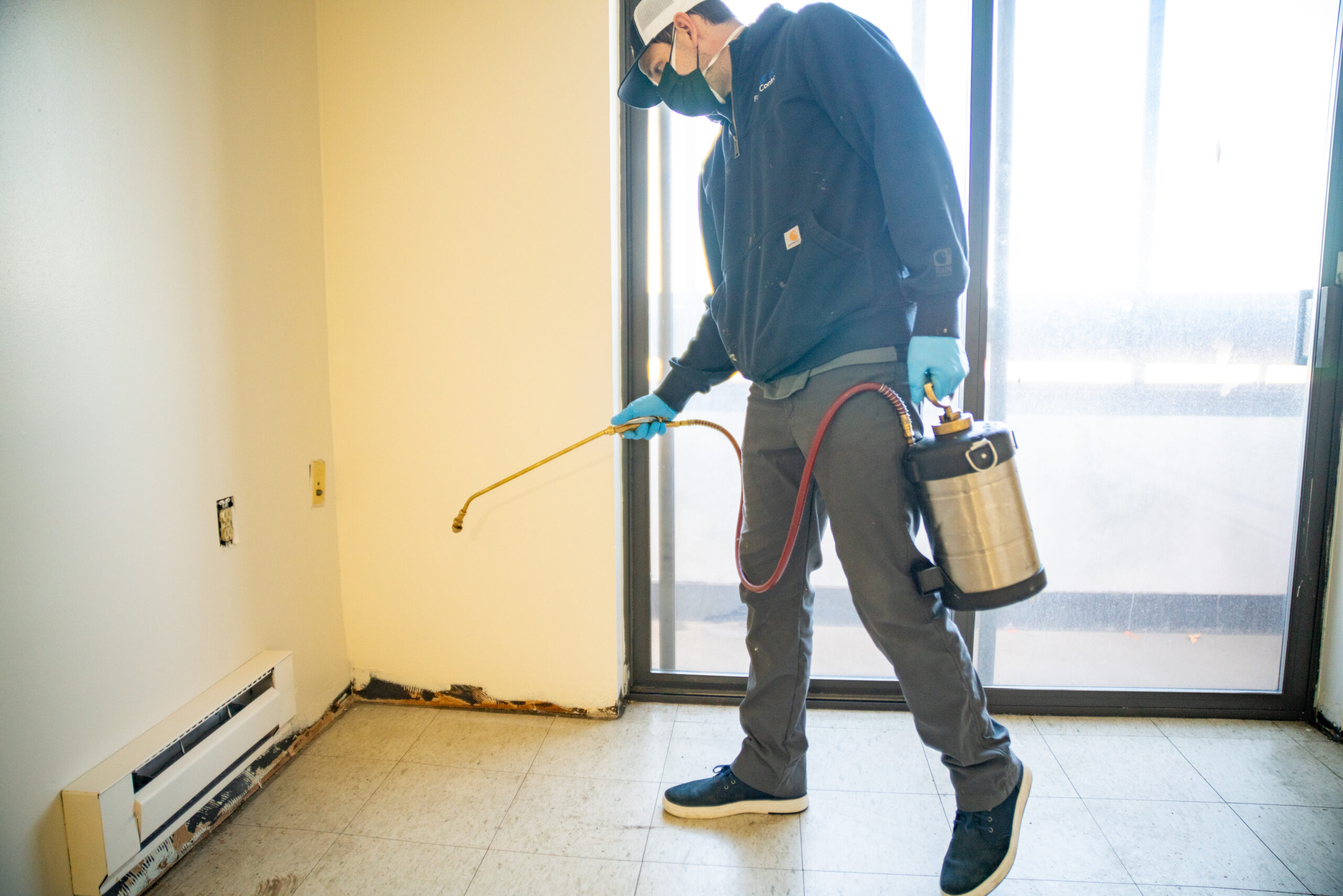
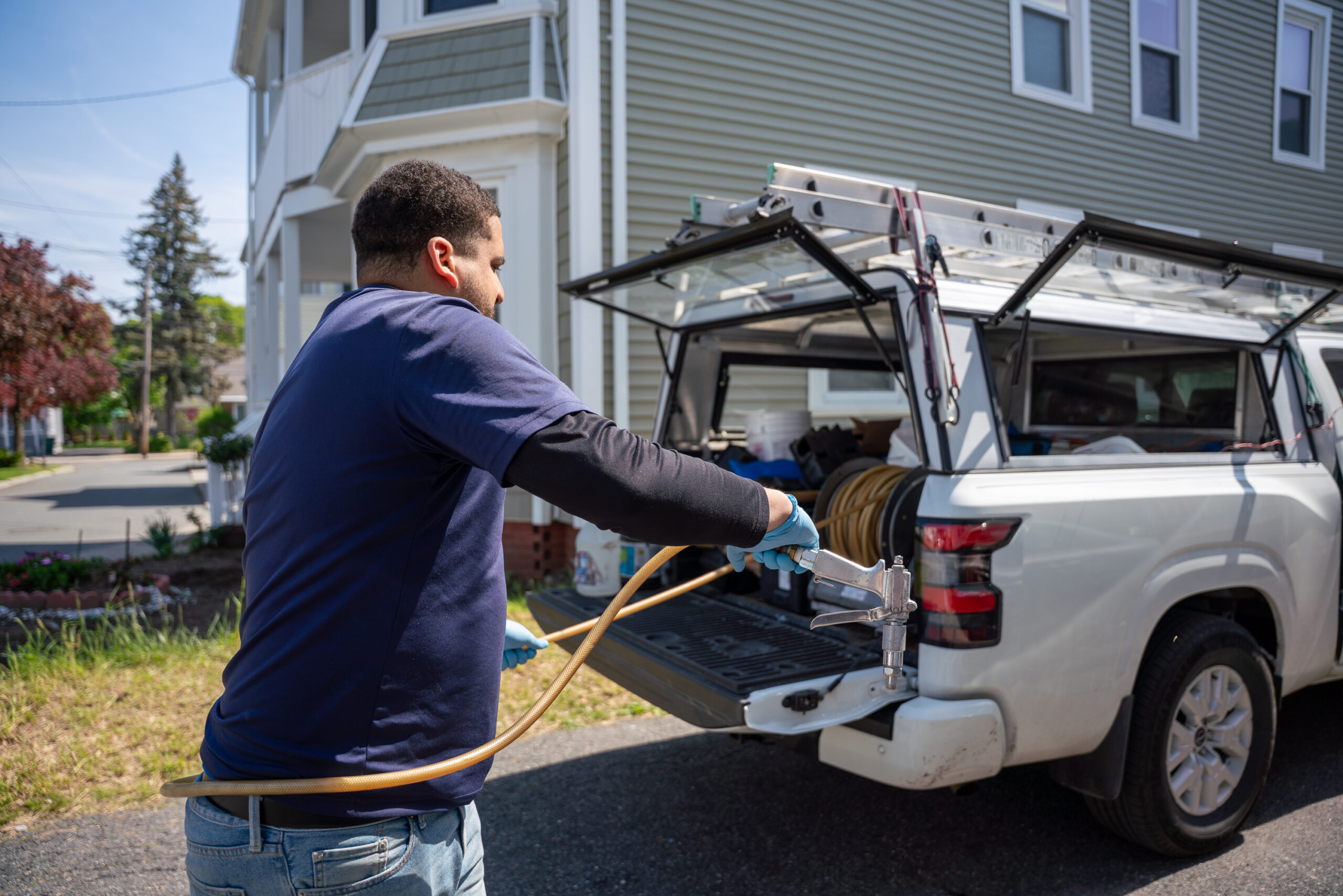
The particular control procedure used will vary on a case by case basis. For example, sometimes the colony is easy to access which makes the direct application of insecticide a viable treatment option. At other times, the colony can be very hard to reach, so baits will have to be used instead.
So as you can see, the process is very flexible, and a good pest control professional will be able to tailor the solution to each individual scenario. If you would like to know more about the ant control process, or if you have an ant infestation that needs to be removed, contact us today.