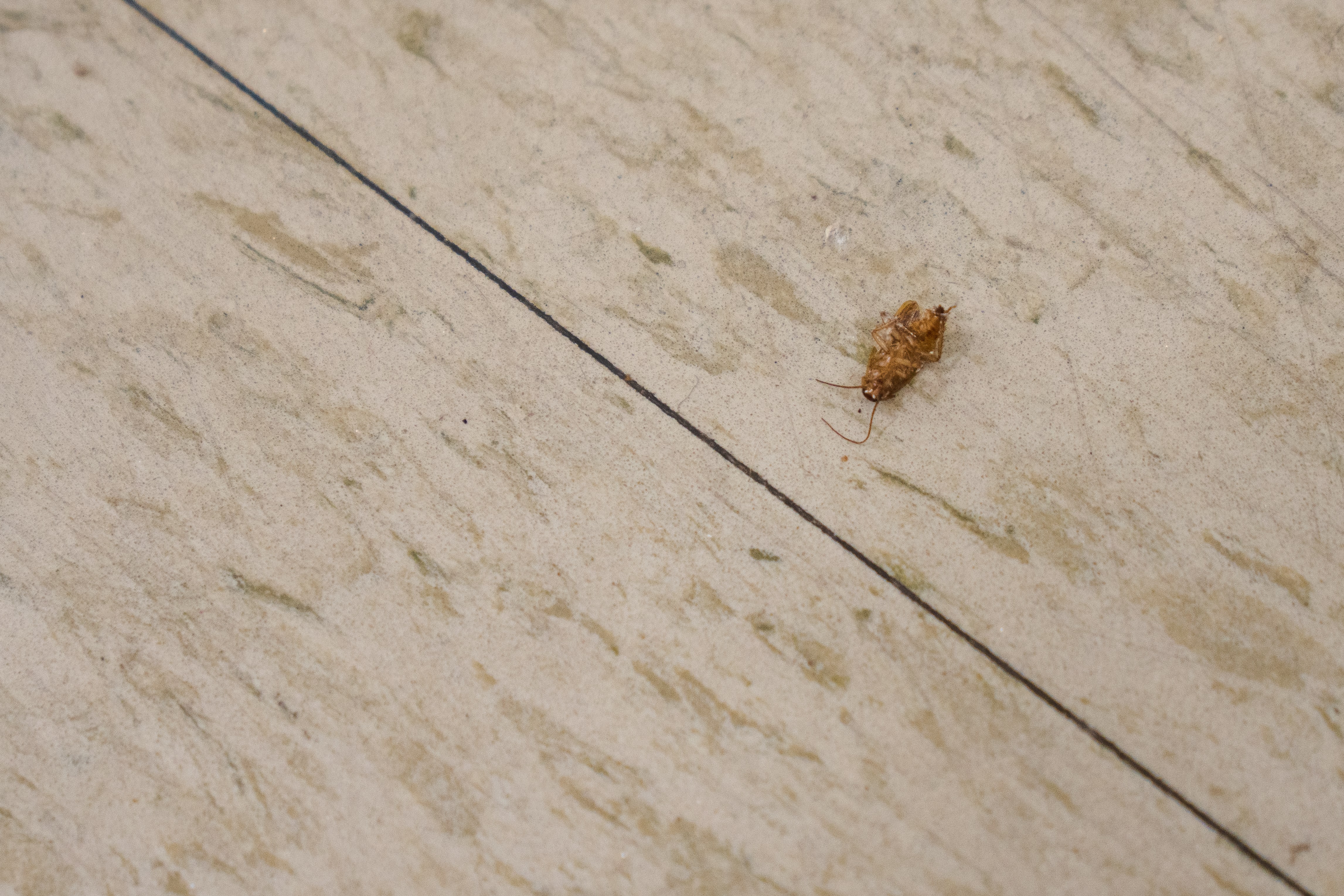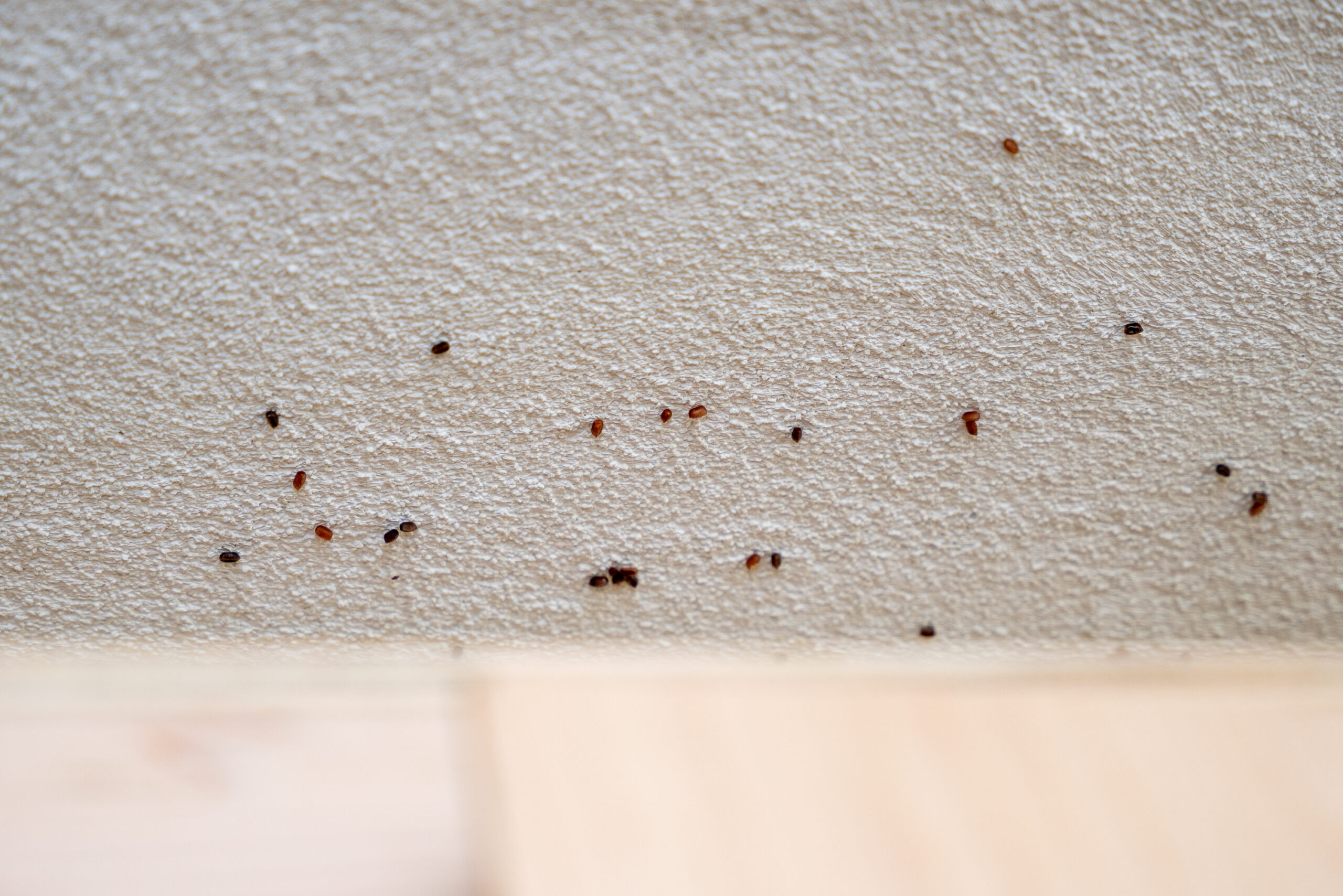
Historically, indoor cockroaches have been considered nuisance or aesthetic insect pests due to their ability to rapidly proliferate within homes and gross people out. However, as a result of numerous medical, entomological, and public health studies carried out during the last two to three decades, it is now understood that the most common cockroach pest species contribute to the spread of diseases and the development of asthma and other allergic conditions in humans.
The most common indoor cockroach pests in Massachusetts include the American, German, brown-banded and Oriental cockroach species, and the bodily products, shed skins, eggs, and body fragments that become abundant in the homes they infest likely serve as the most significant indoor allergens. Even after cockroach infestations are eliminated, these above named forms of cockroach debris remain within indoor areas where cockroaches are known to hide in large numbers. These harborage sites include wall voids, tight attic spaces, ceiling voids, and other inaccessible indoor areas that cannot be readily sanitized.
Due to the medical hazards associated with cockroaches, controlling, and especially, effectively preventing the pests from infesting homes is a matter of the utmost importance in regards to public health. While professionals strictly adhere to the integrated pest management (IPM) approach to control pests within homes, which stresses prevention tactics and deemphasizes the use of insecticides, homeowners are largely unsure as to how cockroach infestations can be prevented.
All four of the primary cockroach pest species in Massachusetts depend on high moisture conditions in order to thrive. Therefore, eliminating indoor moisture sources, such as plumbing and rainwater leaks, makes homes inhospitable to roach pests. Cockroach infestations are common within older homes where numerous cracks, crevices and other potential entry points on exterior walls can be exploited by roaches looking to establish a warm indoor habitat. This is why using caulk to seal these entry points works remarkably well to prevent roaches from accessing interior living spaces. Perhaps most important, all stored food sources should be well sealed and kept in areas where roach pests cannot access them. Roaches leave pathogen-rich feces, urine and other bodily fluids in the foods they infest, which puts humans at risk of contracting diseases like Salmonella and E. coli. Food scraps should also be regularly removed from beneath kitchen appliances and furniture before these areas are sanitized, as numerous cockroaches can thrive for long periods within homes where even a small amount of forgotten food scraps remain hidden from human sight.
Do you take measures to prevent roaches from invading your home?