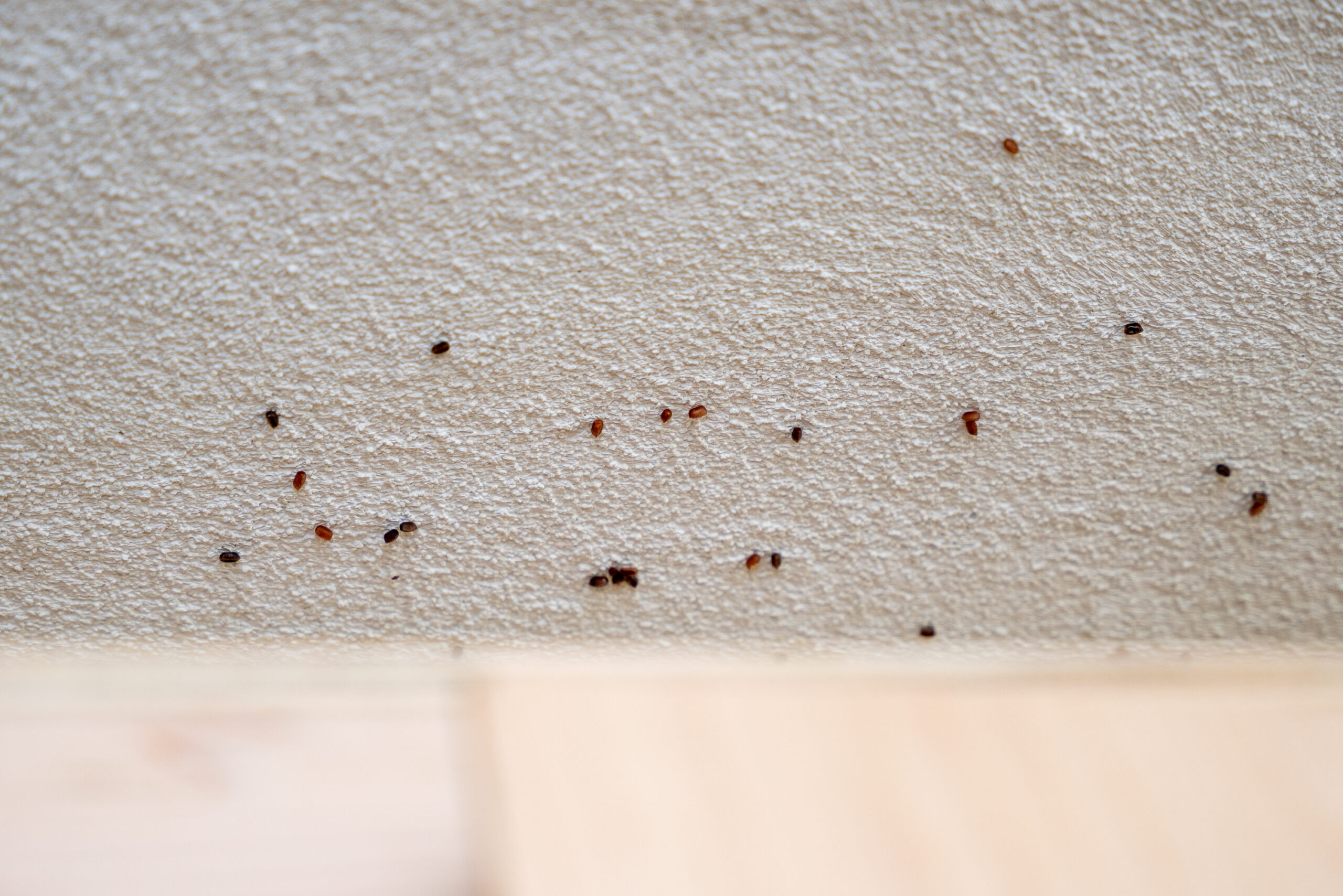
Four cockroach pests of homes and buildings can be found in virtually all areas of the contiguous US including Massachusetts. These cockroach pest species are commonly known as American, German, Oriental and brown-banded cockroaches. The German cockroach is the most commonly managed roach pest in homes throughout the country, and the particularly large American cockroach is the most commonly managed roach pest on commercial properties, especially in restaurants. The brown-banded cockroach is the rarest of the four roach pests, and they have been decreasing in prevalence for decades. Both the brown-banded and German cockroach species are among the very few domestic pests that dwell solely indoors, another being the common bed bug.
The American, and to a lesser extent, the Oriental cockroach species are both known for favoring sewer habitats in large numbers where food sources are inexhaustible and temperatures are warm during the winter season. American cockroaches are also known for traversing pipes in order to alternate between residential and sewer habitats, and homeowners often spot the 2 inch pests emerging from indoor drains. In big cities, American cockroach populations within the sewer system often become massive, and most big cities have enacted sewer-dwelling cockroach abatement programs.
During the 20th century, German cockroaches were widely considered to be the most difficult insect pests to control. The introduction of the first widely used insecticide, DDT, during the 1940s was initially effective at killing German cockroaches, but just like bed bugs, the roach pests rapidly developed a tolerance to the toxic chemical. German cockroaches were controlled solely with DDT for nearly 30 years before the insecticide was banned. Initially DDT applications eliminated 99 percent of German cockroaches targeted within a structure, but the few that were physiologically capable of surviving these early DDT exposures continued to reproduce, and after several generations, these once rare individuals became the norm in German cockroach populations. Today, the pest control industry considers chemical insecticides to be a last resort when treating infested homes, and each insecticide formulation is used on a rotating basis and in combination with multiple other extermination agents to prevent pests from developing a resistance.
Have you ever attempted to rid your home of a German cockroach population?