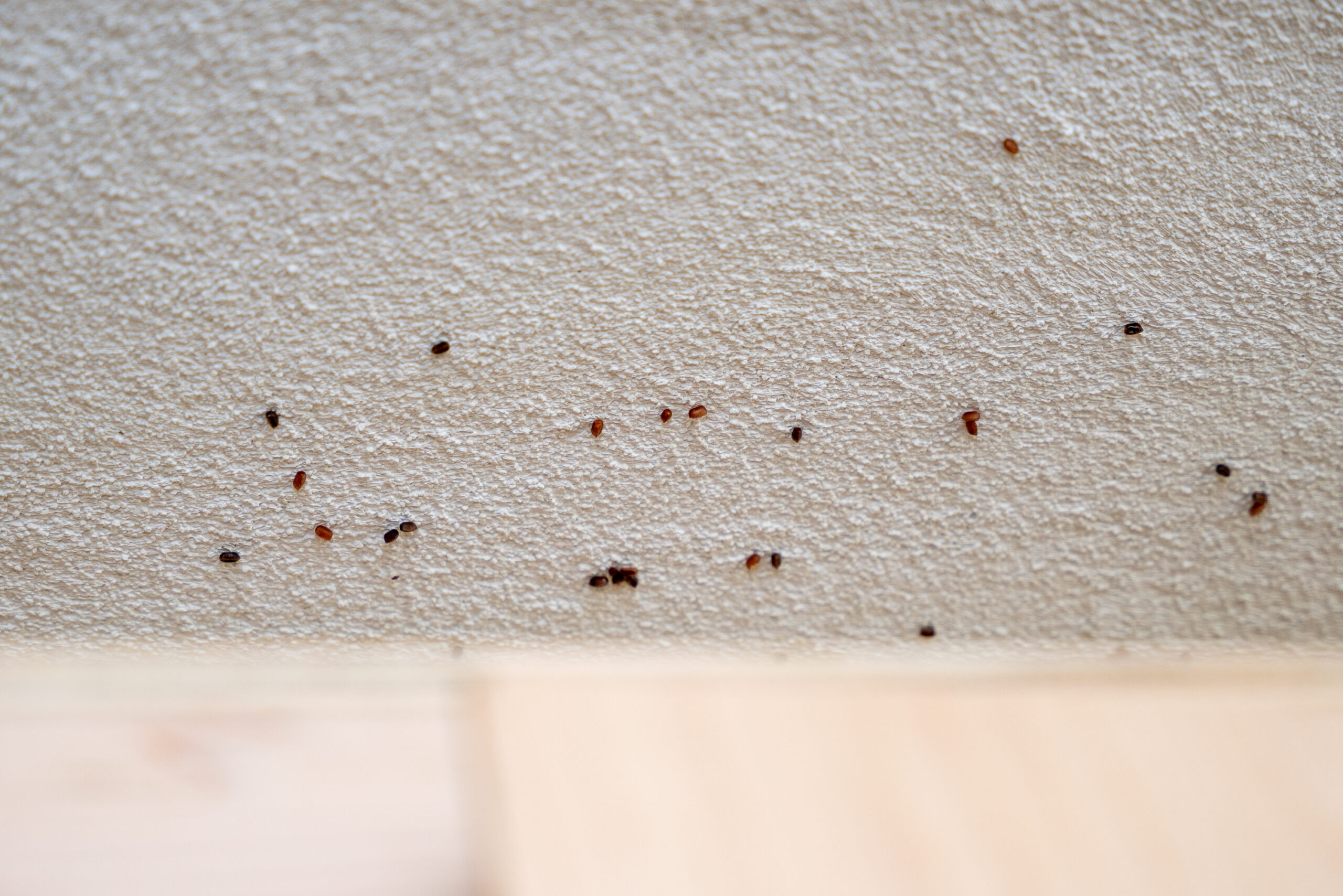
As we all know, ticks are a common problem in Boston, and they can cause various health issues for humans and their pets. Tick bites can cause Lyme disease, Rocky Mountain spotted fever, and other serious illnesses. Therefore, it is crucial to take preventive measures to protect yourself and your loved ones from these tiny bloodsuckers. In this article, we will share some Boston tick prevention tips to help you enjoy your outdoor activities without the fear of ticks.
- Wear Protective Clothing
When you are going out for a hike or just spending time in your backyard, wearing protective clothing is a must. You should wear long pants, long-sleeved shirts, and closed-toe shoes to minimize the exposed areas of your body. Light-colored clothes can help you spot ticks easily, and tucking your pants into your socks can create a barrier for ticks to crawl in. Also, consider wearing clothing that is treated with permethrin, an insect repellent that kills ticks on contact.
- Use Tick Repellent
Another effective way to prevent tick bites is by using tick repellent. You can use a DEET-based repellent or natural repellents like lemon eucalyptus oil, peppermint oil, or citronella. Apply the repellent on your exposed skin and clothing before you head out. Make sure to read the label and follow the instructions carefully.
- Check for Ticks Regularly
After spending time outside, make sure to check yourself and your pets for ticks. Ticks like to hide in warm and moist areas, such as the armpits, groin, and hairline. Use a mirror to check hard-to-see areas and don’t forget to check your scalp. If you find a tick, use tweezers to remove it as soon as possible. Grasp the tick as close to the skin as possible and pull it straight out. Avoid squeezing or crushing the tick, as this can increase the risk of infection.
- Create a Tick-Free Zone
If you have a backyard, you can create a tick-free zone to reduce the chances of ticks entering your living space. Trim your grass and bushes regularly, remove leaf litter and brush, and create a barrier between your lawn and the woods by using wood chips or gravel. Ticks don’t like to cross dry and sunny areas, so keep your yard sunny and dry to discourage them.
- Treat Your Pets
Pets are also susceptible to tick bites and can bring them inside your home. Therefore, it is essential to treat your pets with tick repellent and check them regularly for ticks. Consider using tick collars, spot-on treatments, or oral medications to protect your pets from ticks. Also, make sure to keep your yard clean and well-groomed to minimize the tick population.
In conclusion, preventing tick bites is crucial to keep yourself and your family safe from tick-borne illnesses. By following these Boston tick prevention tips, you can reduce the chances of tick bites and enjoy your outdoor activities without any worries. Remember to wear protective clothing, use tick repellent, check for ticks regularly, create a tick-free zone, and treat your pets to stay tick-free.