We've all experienced that shudder of revulsion, that moment of primal fear when a dark shape scuttles across the kitchen floor. Yes, we're talking about the notorious cockroach. But did you know that Boston, the historical, educational hub of the U.S., has its own unique relationship with these resilient insects? In this article, we'll dive into the fascinating, if somewhat unsettling world of cockroaches in Boston.
Brief History
Cockroaches have been thriving alongside humans since time immemorial. Even though we tend to associate these resilient pests with dirt and filth, they are predominantly urban dwellers, just like us.
Common Species
In Boston, the most common species are the American and German cockroaches. The former can grow up to 2 inches in length, while the latter are smaller but reproduce at a faster rate.
Why Boston?
Urban Environment
Boston, with its plethora of dining establishments, older buildings, and crowded neighborhoods, provides the perfect habitat for these roaches.
Weather Conditions
Additionally, Boston's temperate climate, particularly the warm, humid summers, create an ideal breeding environment for cockroaches.
The Impact of Cockroaches
Health Hazards
Cockroaches carry numerous pathogens that can cause diseases such as dysentery, salmonellosis, and gastroenteritis. Plus, their droppings can lead to allergic reactions and asthma in sensitive individuals.
Damage to Property
These pests are notorious for damaging papers, fabrics, and contaminating food with their droppings.
How To Identify Cockroach Infestation
Common Signs
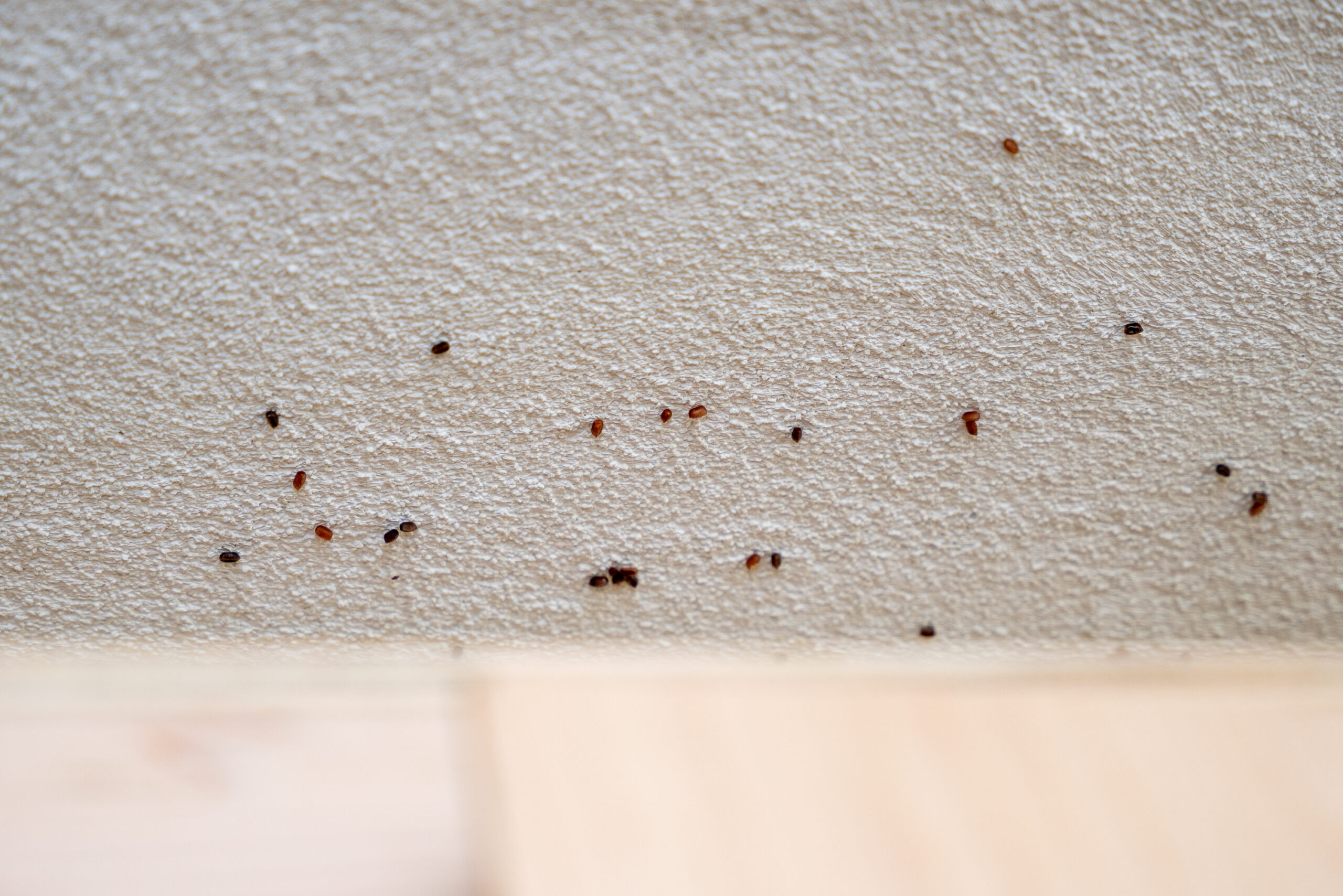
An unpleasant, musty odor, along with finding droppings or egg cases, can signal a cockroach infestation in your home.
Detection Methods
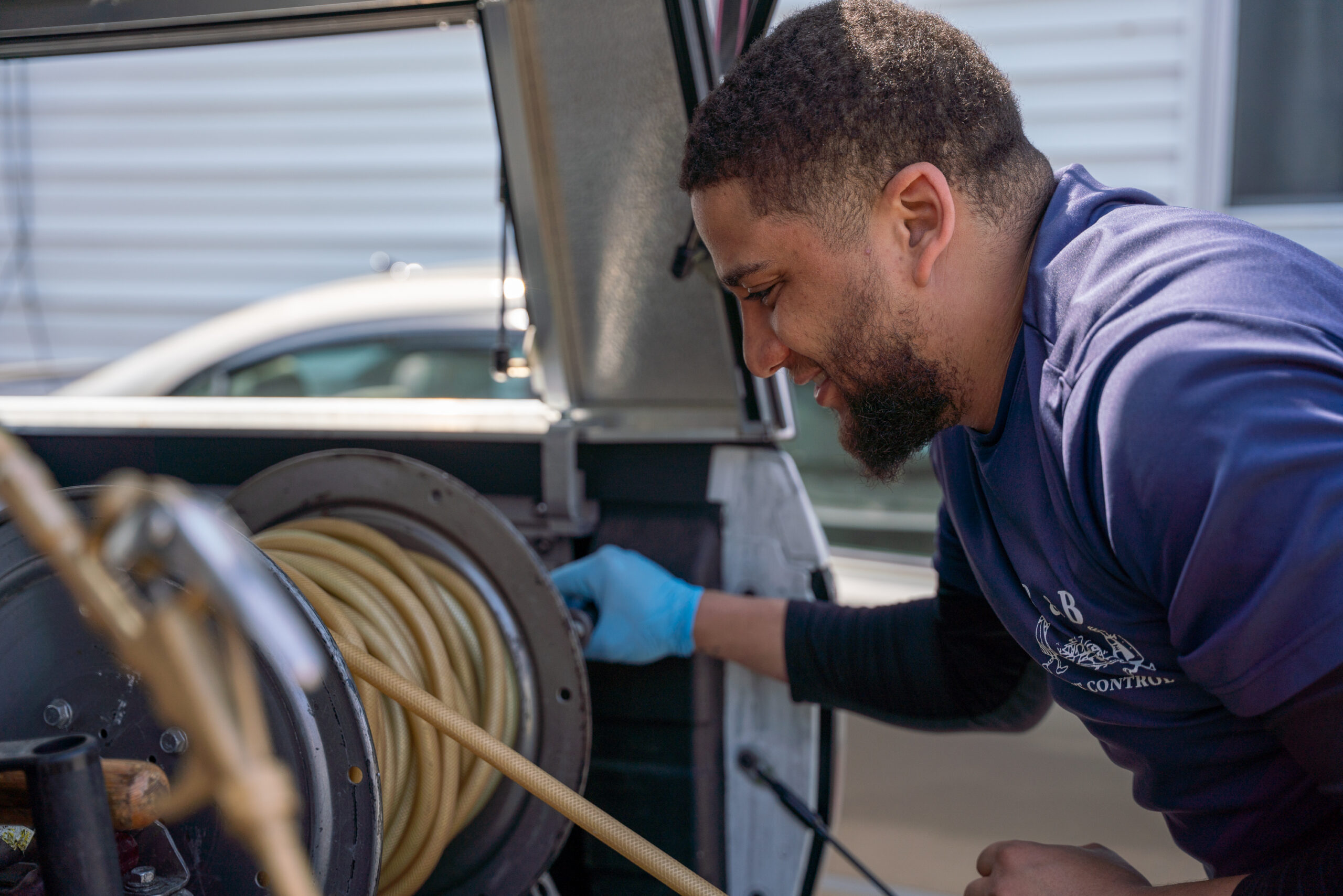
A professional pest inspection is often the most effective way to confirm and quantify a cockroach infestation.
Dealing with Cockroach Infestation
DIY Methods
Over-the-counter sprays and traps can help in the short-term. However, for a long-term solution, consider comprehensive methods that also address prevention.
When to Call Professionals
If the infestation persists or if allergies or asthma symptoms are triggered, it's time to call in professional pest control services.
Preventive Measures
Home Sanitation
Keeping your home clean, especially the kitchen and bathroom, is a crucial step towards preventing a cockroach infestation.
Sealing Entry Points
It's also essential to seal any potential entry points, such as cracks in walls or gaps around doors and windows.
Cockroaches in Boston are more than just a minor inconvenience. They can pose serious health risks and damage property. Recognizing the signs of an infestation and taking swift action, whether DIY or professional, can keep your home roach-free.