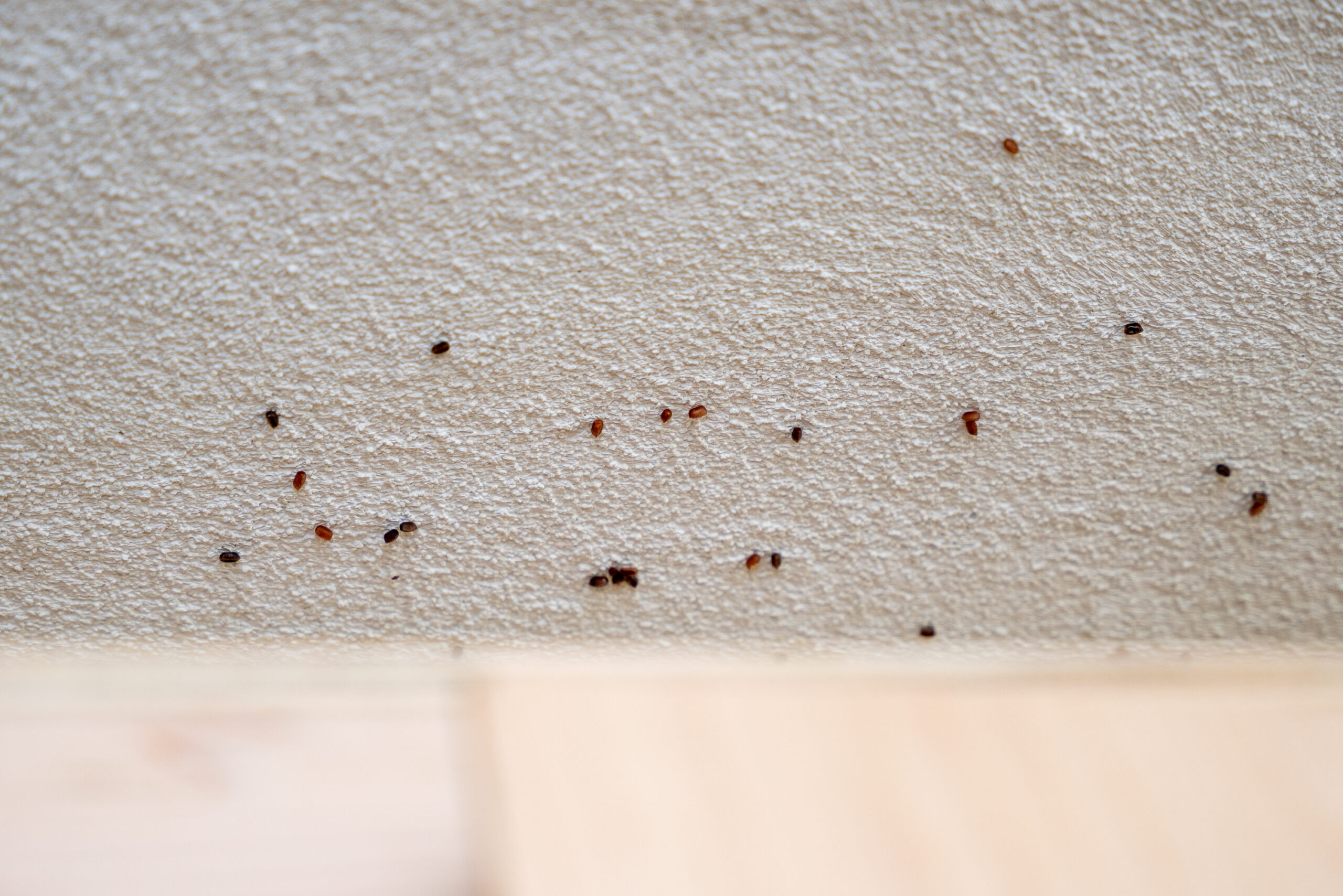
Summer brings long days, warm weather, and unfortunately, unwanted house guests. As temperatures rise, insects and other pests become more active, seeking food, water, and shelter—often in your home. The good news? You can take proactive steps to protect your property before these uninvited visitors settle in.
Effective pest proofing combines prevention strategies with targeted treatments to create a barrier around your home. This comprehensive guide covers proven methods to keep common summer pests at bay, from sealing entry points to maintaining your outdoor spaces. By following these practical tips, you'll enjoy a more comfortable summer without the constant battle against bugs and rodents.
Understanding Summer Pest Behavior
Summer's warm temperatures accelerate pest reproduction cycles and increase activity levels. Ants emerge from their winter hideouts to forage for food. Mosquitoes breed rapidly in standing water. Flies multiply quickly in the heat. Understanding these patterns helps you anticipate problems and take preventive action.
Most pests enter homes through surprisingly small openings. Mice can squeeze through holes the size of a dime, while cockroaches slip through cracks as thin as a quarter's edge. Identifying and sealing these entry points forms the foundation of effective pest control.
Seal Entry Points Around Your Home
Inspect Your Foundation
Walk around your home's perimeter, looking for cracks in the foundation, gaps around utility lines, and openings where pipes enter the building. Use steel wool and caulk to seal small holes, as pests cannot chew through steel wool. For larger gaps, apply expanding foam followed by caulk once dried.
Check Windows and Doors
Examine window screens for tears or holes. Even small damages allow insects inside. Replace damaged screens or patch holes with screen repair kits. Install door sweeps on exterior doors, ensuring they create a tight seal against the threshold. Weatherstripping around door frames should be intact and properly fitted.
Secure Roof Areas
Inspect your roof line for gaps around vents, chimneys, and where the roof meets the walls. Install mesh screening over vents to prevent pest entry while maintaining proper ventilation. Check that chimney caps are secure and undamaged.
Eliminate Water Sources
Fix Leaky Fixtures
Pests need water to survive. Repair dripping faucets, leaky pipes, and running toilets promptly. Check under sinks for moisture problems and ensure plumbing connections are tight. Even minor leaks create attractive conditions for insects and rodents.
Improve Drainage
Ensure gutters drain properly and downspouts direct water away from your foundation. Clean gutters regularly to prevent clogs that create standing water. Fix any areas where water pools near your home's foundation, as these spots attract mosquitoes and other pests.
Maintain Indoor Humidity
Use exhaust fans in bathrooms and kitchens to reduce moisture levels. Consider using dehumidifiers in basements or other damp areas. Proper ventilation makes your home less appealing to moisture-loving pests like silverfish and centipedes.
Remove Food Sources
Kitchen Cleanliness
Store food in airtight containers, especially cereals, grains, and pet food. Clean up crumbs and spills immediately. Wipe down counters daily and sweep floors regularly. Don't leave dirty dishes in the sink overnight, as they attract ants and cockroaches.
Proper Trash Management
Use trash cans with tight-fitting lids and empty them regularly. Keep outdoor garbage bins clean and positioned away from your home's entrance. Rinse recyclables before storing them to remove food residue that attracts pests.
Pet Food Storage
Store pet food in sealed containers and remove uneaten food from bowls promptly. Clean pet feeding areas regularly to eliminate crumbs and water spills that draw insects.
Maintain Your Outdoor Spaces
Yard Maintenance
Keep grass cut short and remove debris like leaf piles and fallen branches where pests can hide. Trim bushes and tree branches away from your home's exterior, as these create highways for insects and rodents to reach your house.
Garden Care
Plant pest-repelling herbs like basil, mint, and lavender near windows and doors. Remove overripe fruit from trees and garden plants, as rotting produce attracts flies and other insects. Use mulch sparingly, as thick layers provide hiding spots for pests.
Water Feature Management
If you have bird baths, fountains, or other water features, change the water weekly to prevent mosquito breeding. Ensure proper drainage around these areas to avoid creating muddy conditions that attract various pests.
Target Specific Summer Pests
Ant Prevention
Ants follow scent trails to food sources. Clean up spills immediately and use vinegar solutions to disrupt their trails. Place cinnamon, coffee grounds, or diatomaceous earth around entry points as natural deterrents.
Mosquito Control
Eliminate standing water in flower pots, buckets, and other containers. Install or repair window screens to keep mosquitoes outside. Consider using fans on patios and decks, as mosquitoes are weak fliers and avoid windy areas.
Fly Management
Keep doors and windows closed or properly screened. Use fly traps away from gathering areas to catch flies without attracting them near your home. Maintain clean compost bins with tight-fitting lids.
Spider Reduction
Regular vacuuming removes spiders and their webs. Reduce other insects in your home, as spiders follow their food sources. Use essential oils like peppermint around windows and doors as natural spider repellents.
Professional Treatment Options
When to Call Experts
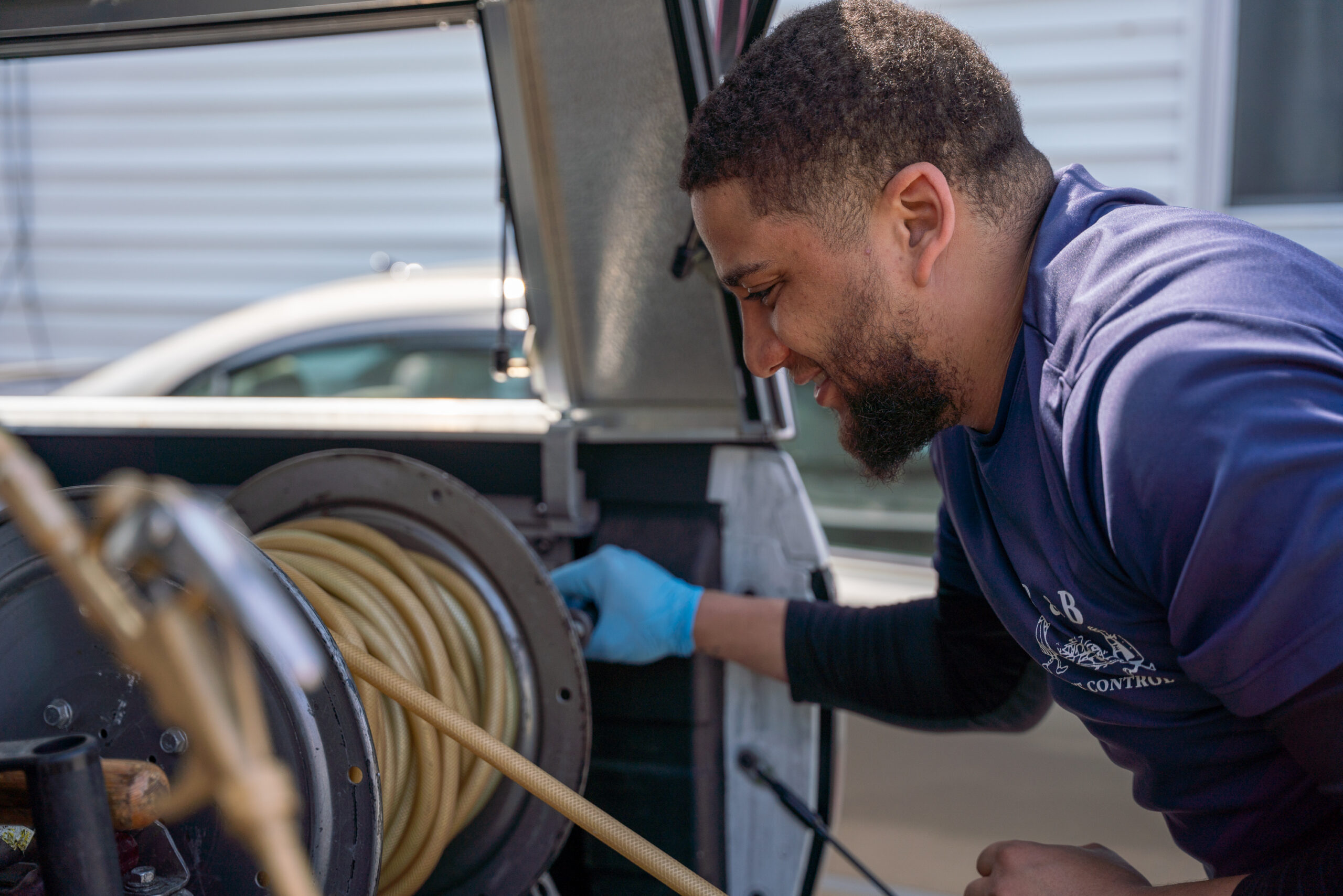
Consider professional pest control services for severe infestations or if preventive measures aren't sufficient. Professionals can identify specific pest species and apply targeted treatments safely and effectively.
Seasonal Maintenance Plans
Many pest control companies offer seasonal maintenance programs that include regular inspections and treatments. These plans often prove more cost-effective than treating individual infestations as they occur.
Create Your Summer Pest Defense Plan
Effective pest proofing requires consistent effort throughout the summer months. Start with a thorough inspection of your property, addressing any structural issues that provide pest entry points. Establish regular maintenance routines for cleaning, yard work, and moisture control.
Remember that pest prevention is more effective and economical than treatment after infestations occur. By implementing these strategies before summer temperatures peak, you'll create an environment that's unwelcoming to pests and comfortable for your family.
Take action now to protect your home from summer pests. Begin with the most critical areas—sealing entry points and eliminating water sources—then expand your efforts to include food storage and outdoor maintenance. With consistent application of these proven techniques, you can enjoy a pest-free summer season.