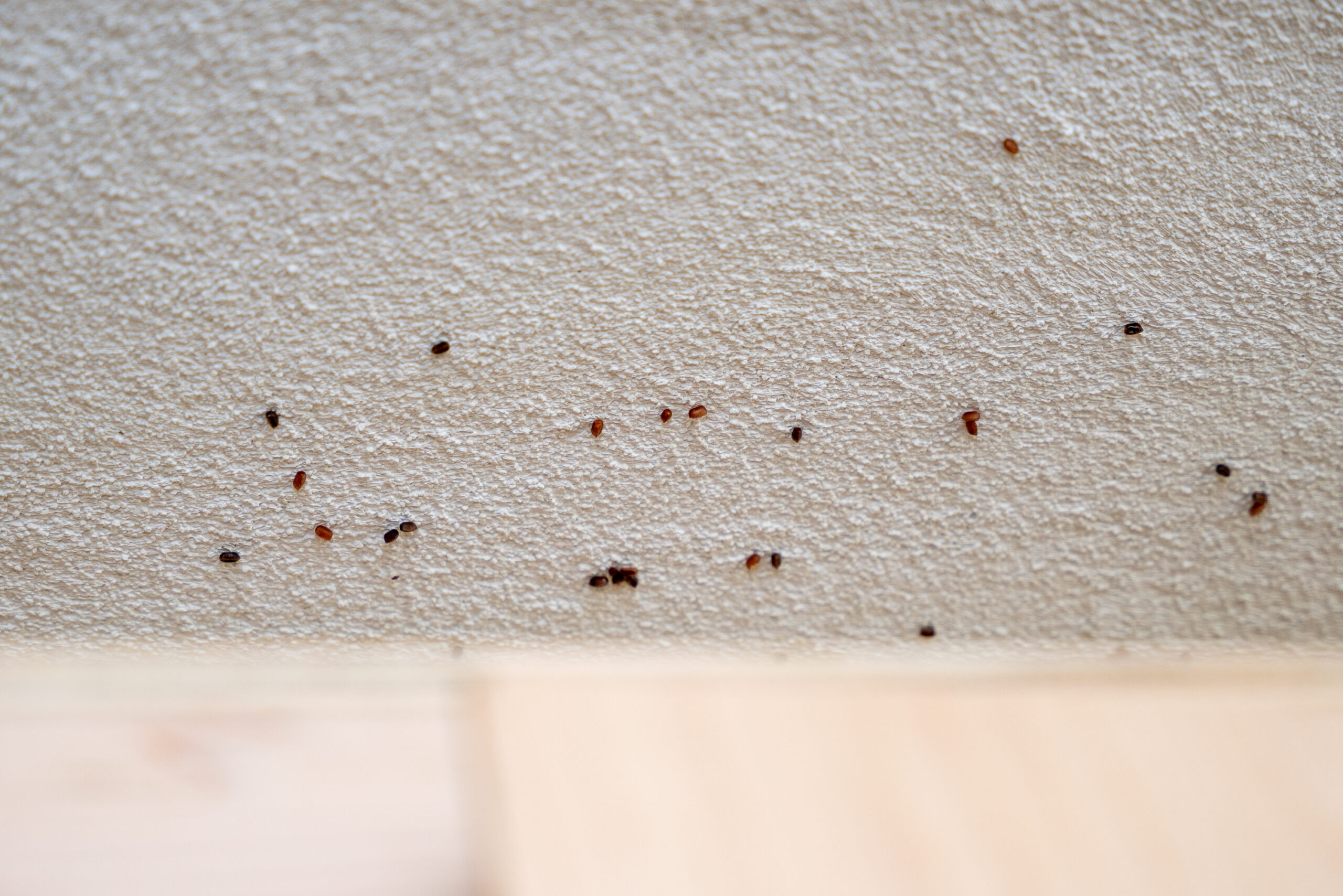
The only things that should be spooky this October are the Halloween decorations. As the leaves turn and the air gets crisp, certain pests in Boston look for a cozy place to spend the winter, and your home might be their top choice. Unwanted critters can turn your autumn into a real-life horror story, but knowing what to look for can help you keep them out.
This guide will introduce you to some of the common creepy crawlers that become more active in the Boston area during the fall. We’ll cover how to spot them and why it’s important to handle an infestation quickly. With the right knowledge, you can ensure your home remains a sanctuary from the spooks and scares of the season.
Rats and Mice: The Uninvited Roommates
As temperatures drop, rats and mice begin their search for warmth, food, and shelter. Homes in neighborhoods from South Boston to Jamaica Plain become prime targets. These rodents are more than just a nuisance; they can cause significant damage and pose serious health risks.
How to Spot Them
- Droppings: Small, dark, pellet-like droppings are a classic sign. You'll often find them in undisturbed areas like pantries, under sinks, or along baseboards.
- Gnaw Marks: Rodents have teeth that never stop growing, so they chew constantly. Look for gnaw marks on food packaging, furniture, and even electrical wires.
- Nests: Mice and rats build nests out of shredded paper, fabric, or other soft materials. Check behind appliances, inside wall voids, and in cluttered storage areas.
- Strange Noises: Scratching, squeaking, or scurrying sounds in your walls or ceiling, especially at night, are a strong indicator of a rodent problem.
An infestation can grow quickly. A single pair of mice can produce dozens of offspring in a year, turning a small issue into a major headache.
Cockroaches: The Resilient Intruders
Cockroaches are notoriously difficult to get rid of, and they are active year-round. However, they may become more noticeable in the fall as they seek refuge from the cooling weather. They are often found in kitchens and bathrooms, where moisture and food are readily available.
How to Spot Them
- Sightings: Seeing even one cockroach, particularly during the day, can signal a larger infestation. They are nocturnal, so daytime activity suggests their hiding spots are overcrowded.
- Droppings: Cockroach droppings look like small black pepper specks or coffee grounds.
- Egg Casings: You might find oval-shaped egg casings (oothecae) in hidden spots like behind furniture or in between books.
- Musty Odor: A large cockroach infestation can produce a distinct, unpleasant, oily, or musty smell.
Cockroaches can spread bacteria and trigger allergies, making their removal a priority for maintaining a healthy home environment.
Spiders: Weaving Webs in Quiet Corners
While some spiders are harmless, finding them inside your home can be unsettling. As their outdoor food sources dwindle in the fall, spiders often follow their prey indoors. They prefer dark, quiet areas where they can build their webs undisturbed.
How to Spot Them
- Webs: The most obvious sign is the presence of webs. Look in corners, along ceilings, around windows, and in basements or attics.
- Egg Sacs: Some spiders produce silk egg sacs, which can contain hundreds of eggs. These are often found attached to webs or hidden in sheltered locations.
- The Spiders Themselves: You may see spiders crawling along walls or ceilings. While most common house spiders in Boston are not dangerous, it’s always best to be cautious.
Sealing cracks and entry points around your home is an effective way to prevent spiders from getting inside in the first place.
Bed Bugs: The Unseen Nightmare
Bed bugs are a year-round threat, but an increase in travel around holidays can contribute to their spread. These tiny pests are expert hitchhikers, catching rides on luggage, clothing, and used furniture. Once inside, they hide in mattresses, bed frames, and other dark crevices, coming out at night to feed.
How to Spot Them
- Bite Marks: Waking up with itchy, red welts, often in a line or cluster, is a common sign of bed bugs.
- Blood Stains: Small, rust-colored stains on your sheets or mattress can be a result of crushed bed bugs.
- Dark Spots: Look for tiny dark spots (excrement) on bedding, mattresses, or along wall seams.
- Shed Skins: As bed bugs grow, they shed their skins. You may find these light-brown, translucent exoskeletons in their hiding spots.
Bed bugs are notoriously difficult to eliminate on your own. Professional treatment is almost always necessary to eradicate an infestation completely.
Don't Let Pests Haunt Your Home
Discovering pests in your home can be stressful, but you don't have to face the problem alone. The key is to act quickly before a small issue becomes a full-blown infestation. At Johnny B’s Pest Control, we have over 40 years of experience helping homeowners across Boston, Dorchester, Quincy, and surrounding areas keep their properties pest-free.
If you’ve noticed any of these spooky signs, it’s time to call in the professionals. Our team provides high-quality, effective pest control services tailored to your specific needs. Contact us today for a free estimate and let us help you take back your home from unwanted guests.