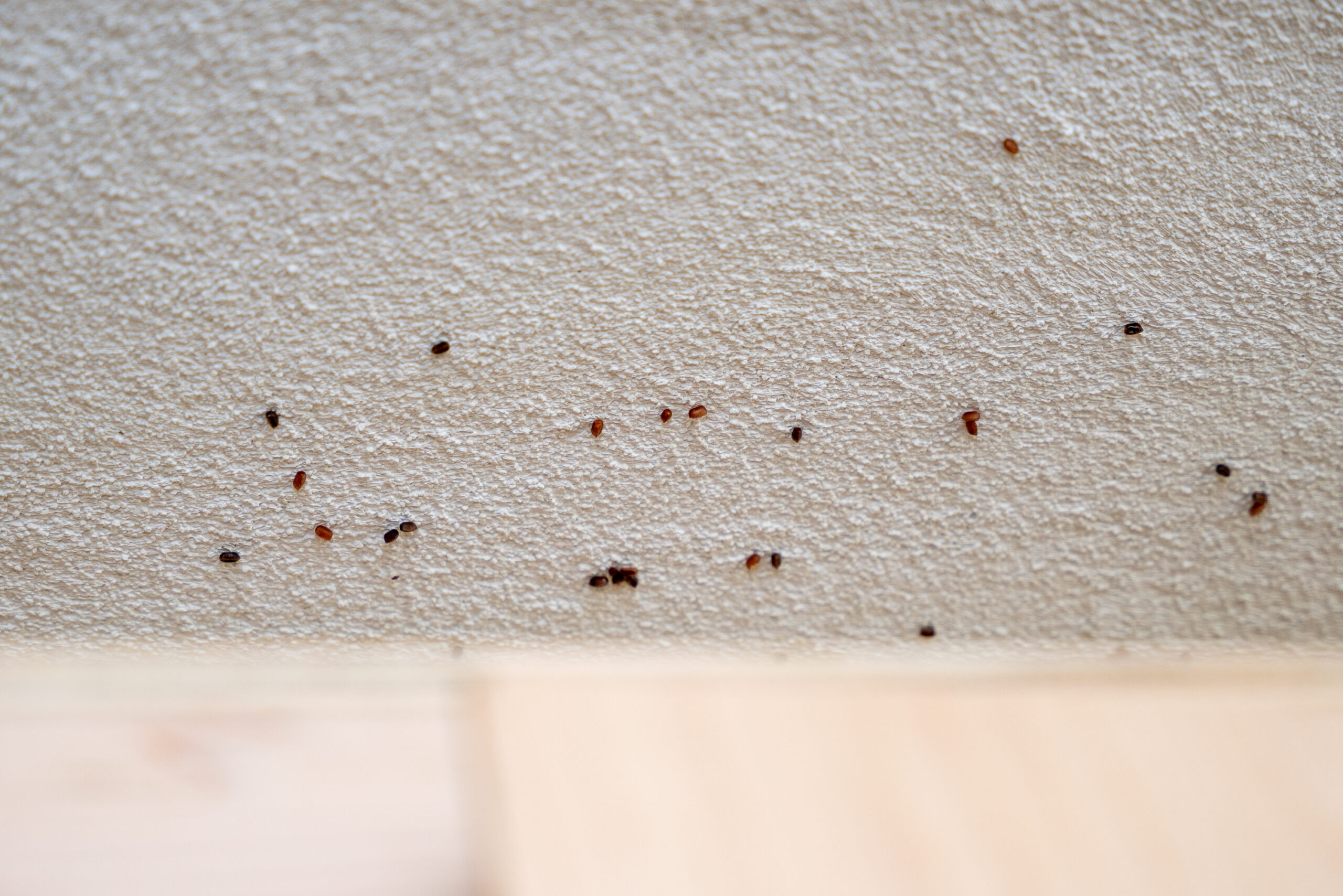
Nobody wants uninvited guests in their home, especially the kind with six legs or fur. But here's the thing: most homeowners don't realize they have a pest problem until it's already serious. That chewed-through box in the pantry? The tiny droppings behind the fridge? These are signs you've been sharing your space for longer than you think.
Learning to identify common household pests early can save you money, stress, and a whole lot of discomfort. Whether you're dealing with insects, rodents, or other critters, knowing what to look for makes all the difference. This guide will walk you through the most common household pests, how to spot them, and what their presence might mean for your home.
Why Early Identification Matters
Spotting a pest problem early isn't just about avoiding the creepy-crawly factor. Many pests reproduce quickly, turning a small issue into a full-blown infestation within weeks. Termites can silently damage the structure of your home. Rodents can chew through wiring, creating fire hazards. Even seemingly harmless ants can contaminate food and spread bacteria.
Beyond property damage, some pests pose health risks. Cockroaches trigger allergies and asthma. Bed bugs cause itchy, sleepless nights. Mosquitoes and ticks carry diseases. The sooner you identify the problem, the easier it is to control.
Ants: Tiny but Persistent
Ants are one of the most common household pests, and they come in various types. You might encounter carpenter ants, odorous house ants, or pavement ants, each with different behaviors and nesting preferences.
How to identify them: Ants are small, typically 1/16 to 1/2 inch long, with segmented bodies and six legs. They often travel in trails, following scent markers left by scouts. If you see a line of ants marching from a crack in the wall to your kitchen counter, you've found their highway.
Signs of infestation: Look for trails near food sources, small piles of dirt or debris (which could indicate a nest), and in the case of carpenter ants, piles of sawdust near wooden structures.
Why they're a problem: While most ants are more annoying than dangerous, carpenter ants can damage wood structures. Others contaminate food and spread bacteria.
Cockroaches: Masters of Survival
Cockroaches are notoriously resilient pests that thrive in warm, moist environments. Common types include German cockroaches, American cockroaches, and Oriental cockroaches.
How to identify them: Cockroaches have flat, oval-shaped bodies ranging from 1/2 to 2 inches long. They're usually brown or black, with long antennae. They're fast movers and tend to scatter when exposed to light.
Signs of infestation: Check for droppings that resemble black pepper or coffee grounds, especially in dark corners, under sinks, and behind appliances. A musty odor can also indicate a large population. Egg cases (called oothecae) are another red flag—they look like small, brown capsules.
Why they're a problem: Cockroaches carry bacteria like Salmonella and E. coli, and their droppings and shed skin can trigger allergies and asthma, particularly in children.
Rodents: Mice and Rats
Mice and rats are among the most destructive household pests. They're not just looking for food; they're looking for shelter, especially during colder months.
How to identify them: Mice are small, typically 2-4 inches long (not including the tail), with pointed noses and large ears. Rats are larger, 7-9 inches long, with blunt noses and smaller ears relative to their size. Both have sharp teeth designed for gnawing.
Signs of infestation: Look for droppings (mice droppings are small and pellet-shaped; rat droppings are larger and more cylindrical), gnaw marks on food packaging or furniture, greasy rub marks along walls, and nests made of shredded paper or fabric. You might also hear scratching sounds in walls or ceilings at night.
Why they're a problem: Rodents chew through wires, insulation, and wood, causing structural damage and fire hazards. They also contaminate food and spread diseases like Hantavirus and Leptospirosis.
Termites: The Silent Destroyers
Termites are among the most damaging pests a homeowner can face. They feed on cellulose found in wood, paper, and other plant-based materials, often going unnoticed until significant damage has occurred.
How to identify them: Termites are small, pale insects about 1/4 to 1/2 inch long. Worker termites are cream-colored, while winged termites (swarmers) are darker. They're often confused with ants, but termites have straight antennae and uniform body segments, whereas ants have bent antennae and pinched waists.
Signs of infestation: Look for mud tubes on exterior walls or foundations (subterranean termites build these to travel), discarded wings near windowsills or doors (a sign of swarming), hollow-sounding wood, and small holes in drywall or wood surfaces.
Why they're a problem: Termites cause billions of dollars in structural damage annually. Left untreated, they can compromise the integrity of your home.
Bed Bugs: Nighttime Nuisances
Bed bugs have made a major comeback in recent years, infesting homes, hotels, and even offices. These parasitic insects feed on human blood, usually at night.
How to identify them: Bed bugs are small, flat, and reddish-brown, about the size of an apple seed. After feeding, they become swollen and darker. They're excellent hiders, often found in mattress seams, box springs, bed frames, and furniture crevices.
Signs of infestation: Look for small blood stains on sheets, dark fecal spots on mattresses or furniture, and shed skins. Bites on your skin—often in a line or cluster—are another telltale sign, though not everyone reacts to bed bug bites.
Why they're a problem: While bed bugs don't transmit diseases, their bites cause itching, discomfort, and anxiety. Infestations are difficult to eliminate without professional help.
Spiders: Mostly Harmless, Sometimes Not
Most spiders are beneficial because they eat other pests, but certain species can be concerning. Common household spiders include cellar spiders, wolf spiders, and occasionally black widows or brown recluses.
How to identify them: Spiders have eight legs and two body segments. House spiders are usually small and brownish, while wolf spiders are larger and hairier. Black widows are shiny black with a red hourglass marking, and brown recluses are tan with a violin-shaped marking on their back.
Signs of infestation: Webs in corners, basements, and garages are the most obvious sign. You might also see egg sacs—small, round, silky bundles.
Why they're a problem: Most spiders are harmless, but black widows and brown recluses can deliver painful, medically significant bites.
Flies: More Than Just Annoying
House flies, fruit flies, and drain flies are common nuisances. While they don't bite, they're known for spreading bacteria and contaminating food.
How to identify them: House flies are about 1/4 inch long with gray bodies and red eyes. Fruit flies are smaller, tan or brown, and hover around overripe fruit. Drain flies are tiny, fuzzy, and often found near sinks and drains.
Signs of infestation: Large numbers of flies, especially near trash cans, drains, or produce, indicate a breeding site nearby.
Why they're a problem: Flies carry pathogens from garbage and waste to your food and surfaces, increasing the risk of foodborne illness.
Silverfish: The Bathroom Dwellers
Silverfish are small, wingless insects that thrive in damp, dark areas like bathrooms, basements, and laundry rooms.
How to identify them: Silverfish are silver or gray, with teardrop-shaped bodies and three long tail-like appendages. They move quickly in a fish-like motion, hence the name.
Signs of infestation: Look for small holes in paper, books, or wallpaper, along with yellow stains and tiny black droppings.
Why they're a problem: Silverfish feed on starches and can damage books, clothing, and wallpaper.
What to Do If You Spot a Pest
Identifying a pest is just the first step. Here's what to do next:
- Inspect thoroughly: Check common hiding spots—kitchens, bathrooms, basements, attics, and entry points like windows and doors.
- Remove attractants: Store food in sealed containers, fix leaks, reduce clutter, and take out trash regularly.
- Seal entry points: Caulk cracks, install door sweeps, and repair screens to keep pests out.
- Consider DIY solutions: Traps, baits, and natural repellents can work for minor issues.
- Call a professional: For serious infestations—especially termites, bed bugs, or rodents—professional pest control is your best bet.
Stay Vigilant, Stay Pest-Free
The key to pest control is prevention and early detection. Regularly inspect your home, maintain cleanliness, and address moisture problems promptly. By learning to identify common household pests, you're better equipped to protect your home, health, and peace of mind.
Don't wait until the problem grows. A little vigilance today can save you a lot of trouble tomorrow.