Massachusetts homeowners face a persistent challenge that many prefer not to discuss: cockroaches. These resilient insects have adapted remarkably well to New England's climate, establishing thriving populations across the Commonwealth. Understanding the specific species that call Massachusetts home can help you identify infestations early and take appropriate action to protect your property.
Cockroaches pose significant health risks beyond the obvious discomfort of sharing your space with unwanted guests. They carry bacteria, contaminate food sources, and can trigger allergic reactions and asthma attacks, particularly in children. The key to effective cockroach control lies in proper identification, as different species require different treatment approaches.
This comprehensive guide examines the most common cockroach species found throughout Massachusetts, their identifying characteristics, preferred habitats, and the health risks they present. Armed with this knowledge, you'll be better equipped to recognize potential problems and work with professional pest control services to eliminate these unwelcome invaders from your home or business.
German Cockroaches: Massachusetts' Most Persistent Indoor Pest
German cockroaches represent the most widespread indoor cockroach species across Massachusetts. Despite their name, these insects likely originated in Southeast Asia and have spread globally through human activity. They measure approximately half an inch to five-eighths of an inch in length and display a light brown to tan coloration with two distinctive dark stripes running parallel behind their heads.
These cockroaches excel at indoor survival, preferring warm, humid environments near food and water sources. Massachusetts residents commonly discover German cockroaches in kitchens, bathrooms, and utility rooms. They gravitate toward areas around appliances, particularly dishwashers, refrigerators, and water heaters, where they find ideal temperature and moisture conditions.
German cockroaches reproduce rapidly, with females carrying egg cases containing up to 40 eggs. A single female can produce multiple egg cases throughout her lifetime, leading to explosive population growth when conditions favor survival. This reproductive capacity makes early detection and professional treatment crucial for preventing widespread infestations.
The health implications of German cockroach infestations extend far beyond mere aesthetic concerns. These insects carry pathogenic bacteria including Salmonella, E. coli, and Staphylococcus on their bodies and in their digestive systems. They contaminate food preparation surfaces, utensils, and stored food items as they forage throughout homes and businesses.
American Cockroaches: The Largest Massachusetts Species
American cockroaches, often called "water bugs" or "palmetto bugs," represent the largest cockroach species commonly found in Massachusetts. These impressive insects can reach lengths of up to two inches, displaying a reddish-brown coloration with a distinctive yellow band around the edge of their pronotum (the shield-like covering behind their heads).
Unlike their German cousins, American cockroaches prefer outdoor environments but readily move indoors when conditions become unfavorable or when seeking food and shelter. Massachusetts residents typically encounter them in basements, crawl spaces, and areas with high moisture levels. They thrive in sewers, storm drains, and around building foundations, making them particularly common in urban areas of Boston, Cambridge, and other densely populated regions.
These cockroaches demonstrate remarkable longevity, with adults living up to two years under favorable conditions. They can survive extended periods without food, making elimination challenging without professional intervention. American cockroaches also possess functional wings and can fly short distances, particularly when temperatures rise during Massachusetts summers.
The presence of American cockroaches often indicates underlying moisture problems or structural issues that require attention beyond simple pest control measures. They serve as indicators of conditions that may attract other pests or contribute to property damage over time.
Brown-Banded Cockroaches: The Furniture Dwellers
Brown-banded cockroaches present unique challenges for Massachusetts property owners due to their preference for dry, warm environments rather than the moisture-rich areas favored by other species. These smaller insects measure approximately half an inch in length and display distinctive light brown bands across their wings and bodies.
Unlike other cockroach species, brown-banded cockroaches distribute themselves throughout buildings, establishing harborage sites in bedrooms, living rooms, and dining areas. They commonly hide inside furniture, behind picture frames, in electronic equipment, and within wall voids. This dispersal pattern makes detection and treatment more complex than dealing with species that concentrate in specific areas.
Massachusetts residents often discover brown-banded cockroaches in unexpected locations, including inside television sets, radios, and other electronic devices that generate warmth. They also establish populations in ceiling areas and upper portions of rooms, behavior that sets them apart from ground-dwelling species.
These cockroaches prefer starchy materials and can damage books, wallpaper, and other paper products. They also feed on organic adhesives and bindings, potentially causing significant damage to valuable items and documents.
Oriental Cockroaches: The Basement Invaders
Oriental cockroaches, sometimes called "water bugs," represent another significant concern for Massachusetts property owners. These dark-colored insects appear almost black and measure approximately one inch in length. Males possess wings covering about three-quarters of their bodies, while females have only small wing pads.
These cockroaches demonstrate a strong preference for cool, damp environments, making Massachusetts basements, crawl spaces, and ground-level areas ideal habitats. They commonly establish populations around water pipes, in floor drains, and beneath buildings where moisture accumulates.
Oriental cockroaches move more slowly than other species and cannot climb smooth vertical surfaces, limiting their ability to spread throughout multi-story buildings. However, they compensate for limited mobility with exceptional survival capabilities, tolerating lower temperatures and surviving longer without food than most other cockroach species.
The presence of Oriental cockroaches often indicates serious moisture problems that require immediate attention. These conditions can lead to structural damage, mold growth, and other costly problems if left unaddressed.
Health Risks and Disease Transmission
All cockroach species found in Massachusetts pose significant health risks through multiple transmission pathways. These insects carry pathogenic microorganisms on their bodies, in their digestive systems, and in their fecal matter. As they move through unsanitary areas before entering homes and businesses, they pick up bacteria, viruses, and parasites that they subsequently spread to human environments.
Cockroaches mechanically transmit diseases by contaminating surfaces and food items with pathogens collected from their travels through sewers, garbage, and other contaminated environments. Common bacterial infections linked to cockroach infestations include food poisoning, dysentery, and gastroenteritis.
Beyond direct disease transmission, cockroaches contribute to respiratory problems through allergen production. Their shed skins, fecal matter, and body parts become airborne particles that trigger asthma attacks and allergic reactions. Children living in cockroach-infested environments show significantly higher rates of asthma development and more severe symptoms.
Research has established strong correlations between cockroach allergen exposure and emergency room visits for asthma-related complications. Massachusetts families dealing with cockroach infestations should consider these health implications when deciding whether to attempt self-treatment or seek professional pest control services.
Signs of Cockroach Infestations
Early detection significantly improves treatment outcomes and reduces health risks associated with cockroach infestations. Massachusetts property owners should monitor for several key indicators that suggest cockroach activity within their buildings.
Live insects represent the most obvious sign, though cockroaches are nocturnal and often remain hidden during daylight hours. Residents who observe cockroaches during daytime hours likely face significant population levels that warrant immediate professional attention.
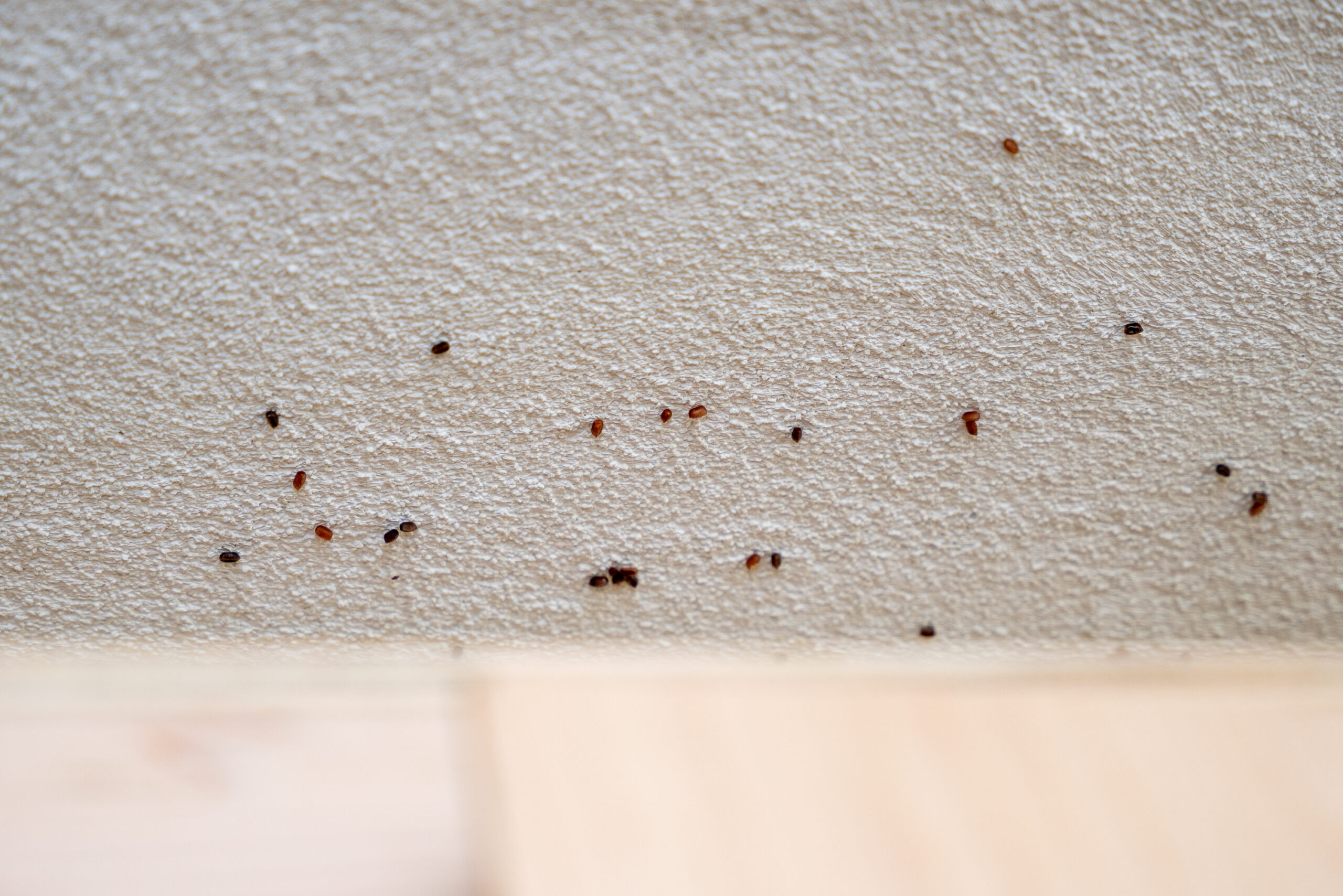
Fecal matter provides another clear indicator of cockroach presence. Different species produce distinct fecal patterns: German cockroaches leave small, pepper-like specks, while American cockroaches produce larger, cylindrical droppings. These deposits typically appear near food sources, along travel routes, and in harborage areas.
Egg cases, called oothecae, indicate reproductive activity within infestations. German cockroaches carry their egg cases until just before hatching, while other species deposit them in protected locations. Finding egg cases suggests established populations capable of rapid expansion without intervention.
Unusual odors may develop in heavily infested areas, particularly with German cockroach populations. These insects produce pheromones and other chemical compounds that create distinctive, unpleasant smells that intensify with population density.
Why Professional Treatment Works Best
Massachusetts cockroach infestations require comprehensive treatment strategies that address multiple aspects of pest biology and environmental factors. Professional pest control companies possess the expertise, equipment, and materials necessary for effective, long-term elimination.
Professional treatment begins with accurate species identification and comprehensive property assessment. Different cockroach species require different treatment approaches, and experienced technicians can determine optimal strategies based on species present, infestation severity, and environmental conditions contributing to pest problems.
Licensed pest control professionals have access to professional-grade materials and application equipment that provide superior results compared to consumer products. They also understand proper application techniques, safety protocols, and environmental considerations that ensure effective treatment while protecting human health and property.
Taking Action Against Massachusetts Cockroaches
Cockroach infestations in Massachusetts properties require prompt, professional attention to prevent health risks and property damage. These resilient insects reproduce rapidly and spread throughout buildings, making early intervention crucial for successful elimination.
Professional pest control investment protects your family's health, preserves your property value, and provides peace of mind that comes with knowing your space is free from these dangerous pests. Take action today to reclaim your property from unwanted cockroach invaders.