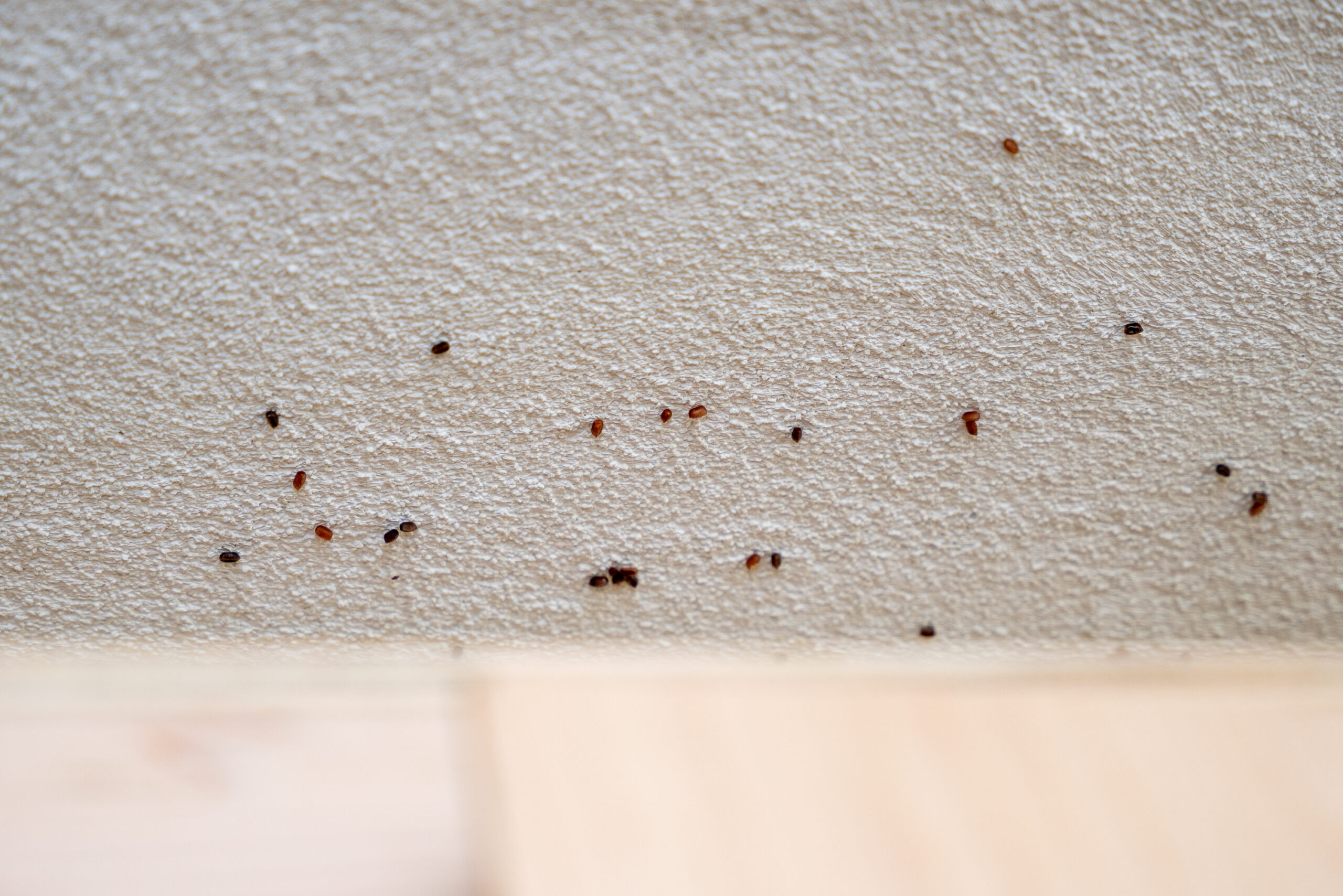
The holiday season is synonymous with warmth, abundant food, and a house full of guests. Unfortunately, the very things that make the holidays delightful for humans also make them irresistible to pests. As temperatures drop outside, rodents, spiders, and insects are actively seeking a cozy place to overwinter. Your home, filled with the scent of baking cookies and the clutter of decorations, looks like a five-star resort to them.
There is nothing quite as horrifying as seeing a mouse dart across the kitchen floor while you are prepping a holiday feast, or a guest spotting a cockroach near the hors d'oeuvres. These unwanted visitors bring more than just social embarrassment; they can carry bacteria, contaminate food, and damage your property.
Planning a holiday gathering involves enough stress without adding pest control to the list. By understanding what attracts these critters and taking proactive steps to fortify your home, you can ensure the only guests eating your food are the ones you actually invited.
Why the Holidays Are Peak Season for Pests
It might seem counterintuitive that pest problems spike in winter, given that most bugs die off or go dormant in the cold. However, this is precisely why your home becomes a target. Mice and rats are warm-blooded mammals that cannot survive freezing temperatures for long without shelter. They can sense the heat escaping from your windows and doors, and they will exploit any crack or crevice to get inside.
Simultaneously, holiday traditions often create a "perfect storm" for infestations. We bring nature inside in the form of Christmas trees and wreaths. We pull cardboard boxes out of dark, undisturbed storage areas like attics and basements—prime real estate for spiders and silverfish. We stockpile ingredients in the pantry, often leaving bags of flour or sugar open, which calls out to pantry moths and ants. Understanding these triggers is the first step in your defense strategy.
Inspect Your Decorations Before You Deck the Halls
For many families, the start of the season involves dragging boxes of decorations out of storage. These boxes, often untouched for eleven months of the year, are favorite hiding spots for pests. Rodents love to shred cardboard and tissue paper to build nests, while spiders and cockroaches thrive in the dark, undisturbed corners of a basement or attic.
Before you bring these containers into your main living space, take them outside or into the garage for a thorough inspection. Unpack items one by one and shake them out. Look for signs of gnawing, droppings, or egg cases. If you use cardboard boxes for storage, consider swapping them for sealed plastic bins this year. Plastic is impenetrable to rodents and bugs, offering much better protection for your ornaments and linens.
The Christmas Tree: A Trojan Horse for Insects
There is an undeniable charm to a real Christmas tree, but bringing a live plant into your living room carries risks. Trees grown on farms are entire ecosystems, often hosting aphids, mites, bark beetles, and spiders. When the tree is outside in the cold, these insects are dormant. Once you drag the tree into your warm living room, they wake up, thinking spring has arrived.
To prevent a sudden awakening of creepy crawlies, inspect the tree vigorously before purchasing it. Look for white flocking on the needles (which could be woolly adelgids) or small brown bumps (scale insects). Most tree lots have mechanical shakers that dislodge loose needles and bugs; make sure you use them. If you cut your own tree, give it a vigorous shake in the driveway and leave it in the garage for a day or two before bringing it inside.
Important Safety Note: Never spray aerosol pesticides on a Christmas tree. These chemicals are often flammable and, when combined with Christmas lights and dry needles, create a significant fire hazard.
Fortifying the Kitchen
The kitchen is the command center of the holidays, but it is also the most vulnerable room in the house. The increased volume of baking and cooking leads to spills, crumbs, and overflowing trash cans—all of which serve as a buffet for ants, roaches, and rodents.
Seal Your Dry Goods
Holiday baking requires stocking up on flour, sugar, nuts, and chocolate. If you leave these items in their original paper or plastic packaging, you invite trouble. Indian meal moths (pantry moths) can chew through thin plastic and lay eggs in your grain products. Transfer all baking ingredients into airtight glass or hard plastic containers immediately after purchase.
Manage the Crumb Trail
Deep cleaning is often reserved for spring, but a pre-holiday deep clean is essential for pest prevention. Pull out the stove and refrigerator to sweep away months of accumulated grease and crumbs. Wipe down the interior of your pantry shelves. Even a small spill of syrup or a few scattered sprinkles can support a colony of ants for weeks.
Garbage Discipline
During a party, trash cans fill up quickly. An overflowing bin that won't close properly is an open invitation to pests. Empty the trash frequently, even if the bag isn't fully packed. Ensure your outdoor bins have tight-fitting lids and are placed away from the side of the house. Raccoons and stray cats are notorious for tipping over unsecured bins, creating a mess that then attracts rats.
Sealing the Exterior Perimeter
Pests are opportunists. They don't need a wide open door to enter; a mouse can squeeze through a hole the size of a dime, and insects need only a hairline crack. Before the snow falls and guests arrive, do a perimeter check of your home's exterior.
Walk around your house with a tube of caulk and some steel wool. seal any cracks in the foundation or gaps around window frames. Pay special attention to where utility pipes (water, gas, cable) enter the home, as these often have gaps around them. For larger holes, stuff them with steel wool before caulking; rodents can chew through foam and wood, but they cannot chew through steel wool.
Don't forget the chimney. A warm chimney is an attractive entry point for squirrels, bats, and birds. Installing a chimney cap is a simple, humane way to keep wildlife out while still allowing smoke to escape.
Post-Party Cleanup Strategies
The party is over, the guests have left, and you are exhausted. It is tempting to leave the cleanup for the morning, but leaving food out overnight is the single biggest mistake homeowners make.
The Midnight Sweep
Before you go to bed, ensure all leftover food is refrigerated in sealed containers. Do not leave turkey carcasses, cheese plates, or cookie trays on the counter. Wipe down the counters to remove grease and spills.
Deal with the Dishes
Ideally, load and run the dishwasher. If that isn't possible, at least rinse the dirty dishes and stack them. Standing water in the sink combined with food residue is a major attractant for cockroaches, who need water just as much as they need food.
Alcohol and Sugary Drinks
Empty bottles and cans are often overlooked. The residue of soda, beer, and wine is high in sugar and attracts fruit flies, ants, and wasps. Rinse out recyclables before putting them in the bin, and take the recycling out of the house as soon as possible.
Frequently Asked Questions
Can firewood bring pests inside?
Yes. Woodpiles are natural homes for carpenter ants, termites, and wood-boring beetles. Only bring in enough firewood for the fire you plan to burn immediately. Store the main pile at least 20 feet away from your home and off the ground to keep it dry and less accessible to bugs.
What should I do if I see a pest during a party?
Remain calm. Drawing attention to it will only panic your guests. Quietly deal with the pest if possible. If you see a mouse, check your traps later; if you see an insect, remove it with a tissue. Make a mental note of where you saw it so you can investigate entry points the next day.
Enjoy a Safe and Sanitary Season
Hosting a holiday party is about creating memories, not managing a crisis. By taking the time to inspect your decorations, secure your kitchen, and seal your home's exterior, you build an invisible shield around your festivities. These preventative measures protect your home, your health, and your peace of mind.
Focus on the joy of the season, the warmth of the fire, and the company of your friends and family. With your defenses in place, you can rest easy knowing that the only creatures stirring in your house are the ones supposed to be there.