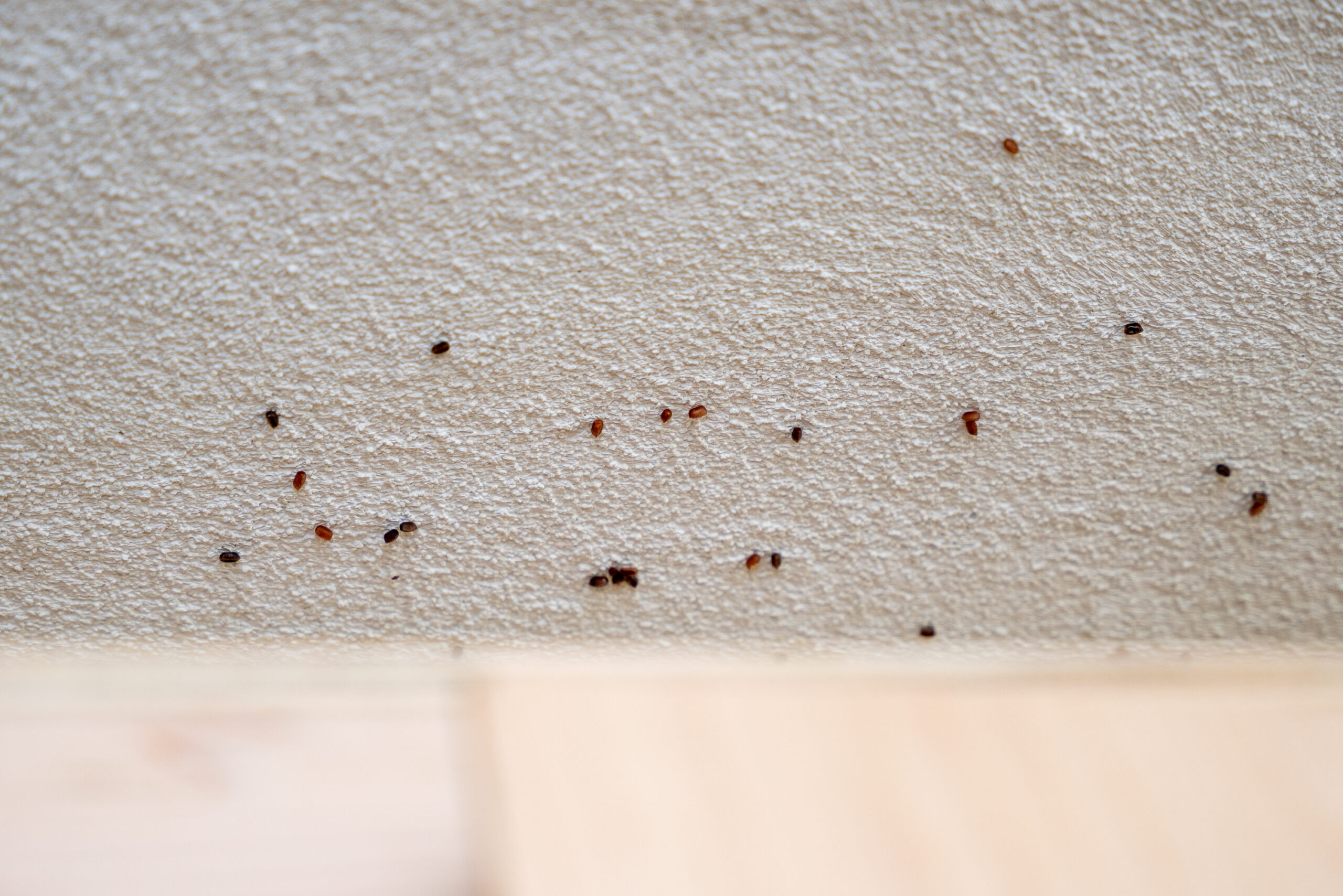
Most homeowners know the sinking feeling of spotting an ant trail in the kitchen or hearing a scratch in the attic. While pests can be a year-round nuisance, their activity levels and behaviors are heavily influenced by the changing seasons. Just as we swap out our wardrobes when the weather turns, pests change their habits to survive and thrive.
Understanding these seasonal patterns is the first line of defense in protecting your home. By knowing what to look for and when, you can take proactive measures to prevent infestations before they take hold. From the spring awakening of insects to the winter retreat of rodents, staying ahead of the curve is key to a pest-free home.
This guide breaks down the most common pest trends by season, offering practical advice on what to watch for and how to safeguard your property throughout the year.
Spring: The Awakening
As temperatures rise and flowers bloom, the insect world wakes up from its winter slumber. Spring is a prime time for mating and colony expansion, making it one of the most active seasons for pests.
Termites Swarm
One of the most alarming signs of spring is the termite swarm. As colonies mature, winged termites, or "swarmers," leave the nest to find mates and establish new colonies. You might see clouds of these insects around exterior lights or discard wings on windowsills.
- What to watch for: Mud tubes on foundations, hollow-sounding wood, and discarded wings.
- Prevention: Eliminate wood-to-soil contact around your home and repair any leaking taps or pipes to reduce moisture.
Ants on the March
Ants are constantly foraging for food, and spring is when they become most visible. They often enter homes in search of sweets and proteins to feed their growing larvae.
- What to watch for: Trails of ants leading to food sources, particularly in the kitchen and pantry.
- Prevention: Seal cracks and crevices in foundations and around windows. Keep your kitchen clean and store food in airtight containers.
Mosquitoes Breed
Spring showers bring standing water, which is the perfect breeding ground for mosquitoes. Even a bottle cap full of water is enough for a female mosquito to lay her eggs.
- What to watch for: Larvae wriggling in stagnant water sources like birdbaths, clogged gutters, or flower pot saucers.
- Prevention: Regularly empty standing water around your property and ensure gutters are clean and flowing freely.
Summer: The Peak Activity
Summer heat accelerates the metabolism of cold-blooded insects, leading to peak activity levels. This is when pest populations are at their highest, and interactions between humans and pests are most frequent.
Stinging Insects
Wasps, hornets, and bees are busy building their nests and caring for their young during the summer months. They can become aggressive if they feel their nest is threatened.
- What to watch for: Papery nests hanging from eaves, trees, or porch ceilings. Increased activity around trash cans and outdoor dining areas.
- Prevention: Keep food covered when eating outdoors and seal garbage cans tightly. Inspect your property regularly for early signs of nest building.
Flies and Gnats
Warm weather and outdoor gatherings attract flies and gnats. They are not only annoying but can also contaminate food and spread disease.
- What to watch for: Swarms of flies around garbage cans or compost piles. Fruit flies hovering around ripening produce in the kitchen.
- Prevention: Keep doors and windows screened. Dispose of overripe fruit and vegetables immediately and keep trash cans clean.
Cockroaches
Cockroaches thrive in warm, humid environments. During summer, they breed rapidly and can quickly infest a home if they find access to food and water.
- What to watch for: Droppings that look like pepper or coffee grounds, egg casings, and an unpleasant, musty odor.
- Prevention: Reduce humidity in your home with dehumidifiers and fix any plumbing leaks. Maintain a high standard of sanitation, especially in the kitchen and bathroom.
Fall: The Search for Shelter
As temperatures begin to drop, pests start looking for a warm place to spend the winter. This "overwintering" behavior drives many insects and rodents indoors.
Rodents Move In
Mice and rats are mammals that need warmth to survive. In the fall, they actively seek out entry points into homes, garages, and sheds.
- What to watch for: Droppings in cupboards or along baseboards, gnaw marks on food packaging or wires, and scratching noises in walls or ceilings.
- Prevention: Seal all potential entry points, even small cracks, with steel wool and caulk. Keep firewood stored away from the house and off the ground.
Spiders migrate
While spiders are present year-round, they often become more noticeable in the fall. Some species move indoors to escape the cold, while others are simply more active as they search for mates.
- What to watch for: Webs in corners, basements, and garages.
- Prevention: Reduce clutter in storage areas to eliminate hiding spots. Sweep down webs regularly and seal cracks around doors and windows.
Overwintering Insects
Certain insects, such as boxelder bugs, stink bugs, and lady beetles, congregate on the sunny sides of homes in the fall before seeking entry to hibernate.
- What to watch for: Large groups of bugs on exterior walls or windows.
- Prevention: Seal gaps around windows, doors, and utility pipes. Repair damaged screens.
Winter: The Quiet Invasion
While outdoor insect activity drops significantly in winter, indoor pests can still be a problem. If pests managed to get inside during the fall, they will make themselves comfortable in your home.
Bed Bugs
Bed bugs are not strictly seasonal, but travel increases during the holidays, which can lead to new infestations. They hitch rides on luggage and clothing, moving easily from hotels to homes.
- What to watch for: Rusty or reddish stains on bed sheets or mattresses, dark spots (excrement), and tiny eggs or eggshells.
- Prevention: Inspect luggage carefully after traveling. Wash clothes in hot water immediately upon returning home.
Pantry Pests
Beetles, moths, and weevils can infest dry goods like flour, rice, and cereal. They can be brought home in contaminated groceries and will thrive in the warmth of your kitchen.
- What to watch for: Small beetles or moths in or around food packaging. Webbing inside food containers.
- Prevention: Inspect grocery items before buying them. Store dry goods in sealed glass or plastic containers.
Frequently Asked Questions
Why do I see more spiders in my house in the fall?
In the fall, many male spiders leave their webs to wander in search of a mate. Additionally, cooler temperatures may drive some species indoors in search of warmth and shelter, making them more visible to homeowners.
Can pests cause structural damage to my home?
Yes, absolutely. Termites and carpenter ants are notorious for destroying wood, compromising the structural integrity of a house. Rodents can also cause significant damage by gnawing on electrical wires, insulation, and drywall, which can pose a fire hazard.
Is DIY pest control effective?
DIY methods can be effective for minor issues or preventative maintenance. However, for established infestations—especially with termites, bed bugs, or rodents—professional pest control is often necessary to ensure the problem is fully eradicated and to prevent recurrence.
How often should I inspect my home for pests?
It is recommended to inspect your home at the turn of every season. A quick check of the perimeter, basement, attic, and key problem areas (like the kitchen and bathroom) can help you catch early signs of activity before they become major infestations.
Protecting Your Home Year-Round
Pest control is not a one-time event but a continuous process. By understanding the seasonal behaviors of pests, you can anticipate their moves and fortify your home against unwanted intruders. Whether it's sealing cracks in the fall to keep out mice or eliminating standing water in the spring to stop mosquitoes, small preventative steps make a big difference.
Staying vigilant and responding quickly to the first signs of trouble will save you time, money, and stress in the long run. If you notice signs of an infestation that seem beyond your control, don't hesitate to contact a professional pest control service.