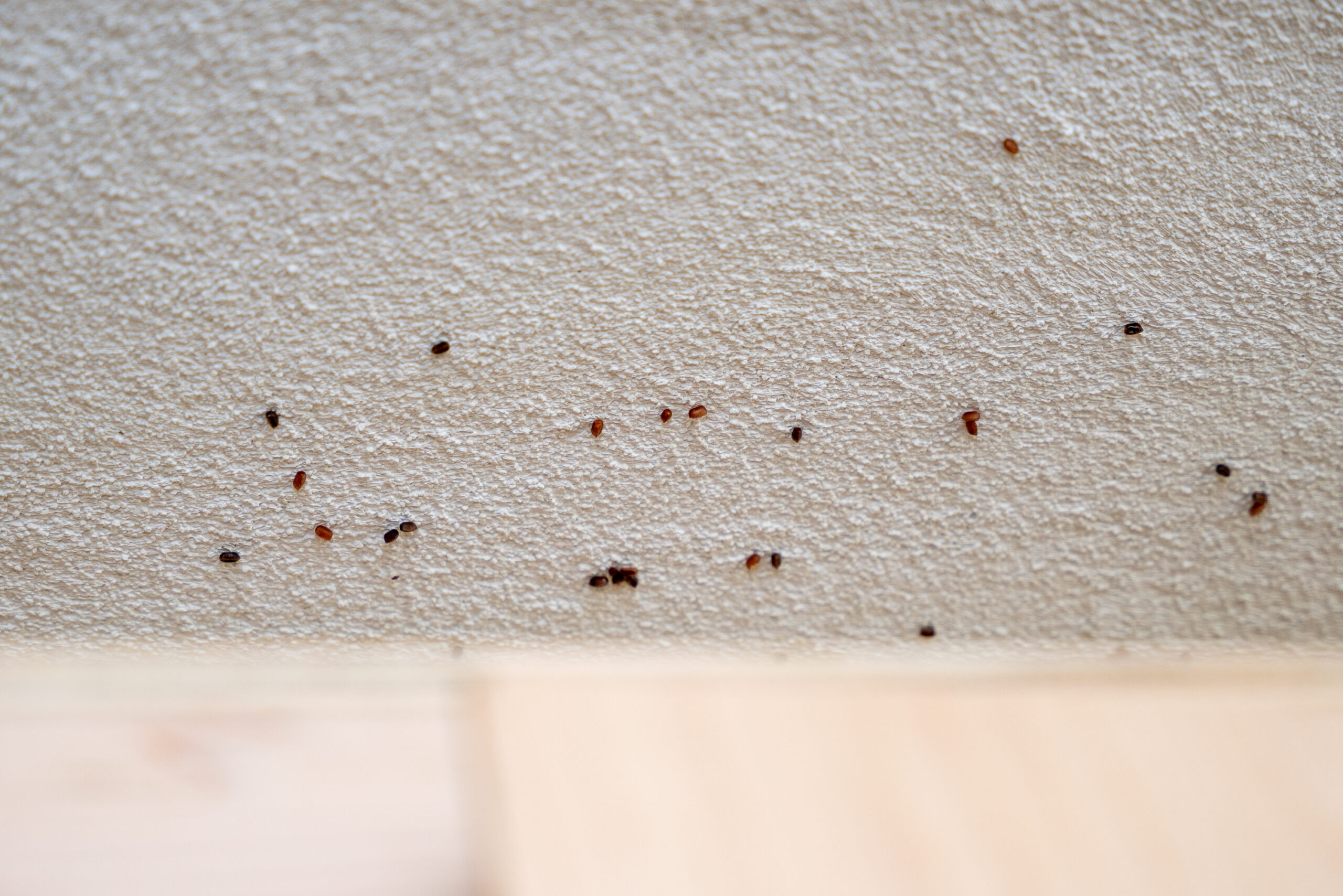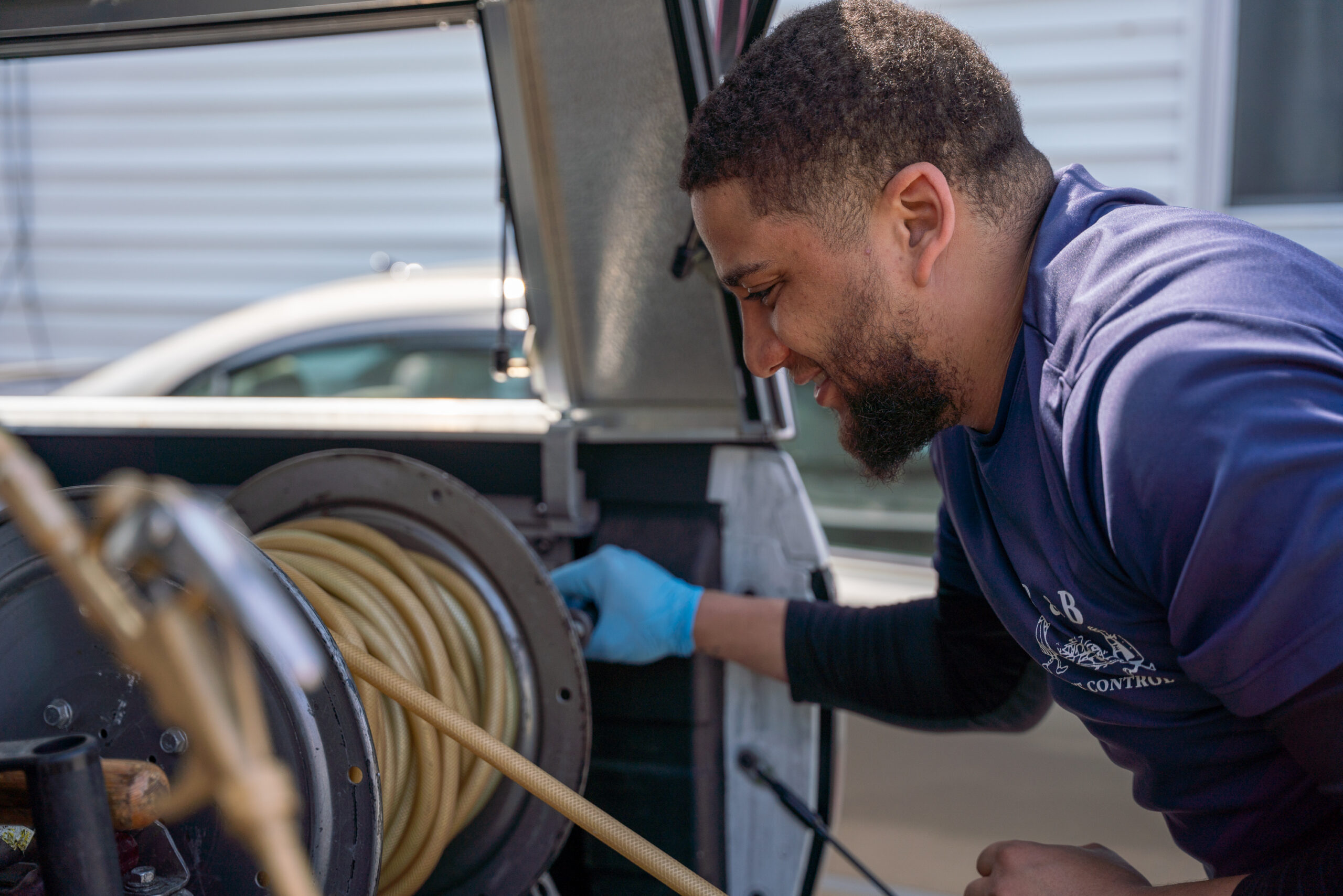
DIY ant sprays kill visible ants but rarely eliminate the colony. Many common sprays trigger a survival response called "budding," causing one colony to split into several—multiplying the infestation rather than ending it. Professional treatment targets the colony at its source, offering a more permanent solution.
You spot a trail of ants marching across your kitchen counter. You grab the nearest can of ant spray, douse the lot of them, and feel like the problem is solved. A few days later, they're back—sometimes in greater numbers, sometimes in a completely different part of your home.
Sound familiar? You're not alone, and you're not imagining it.
The frustrating truth is that off-the-shelf ant sprays are among the least effective tools for dealing with a serious ant infestation. Worse, they can actively make things harder to fix. Understanding why this happens—and what actually works—can save you weeks of frustration and hundreds of dollars in repeated treatments.
This post breaks down the science behind ant colony behavior, explains why DIY sprays often backfire, and outlines what professional ant treatment actually does differently.
How Ant Colonies Actually Work
To understand why sprays fail, you need to understand how ant colonies are structured. Most species that invade homes—including Argentine ants, odorous house ants, and pavement ants—live in large, organized colonies that can number anywhere from a few thousand to several million individuals.
The queen (or multiple queens, depending on the species) is the reproductive engine of the colony. Worker ants—the ones you see—represent only a small fraction of the total population. They forage for food, protect the nest, and care for larvae, but they don't reproduce.
Here's the critical point: killing worker ants does nothing to stop the colony from producing more. As long as the queen is alive and the nest is intact, the colony continues to grow.
What Happens When You Spray DIY Ant Products
Do store-bought ant sprays kill ants?
Yes—but only the ones you can see. Contact insecticides found in most retail sprays are effective at killing individual ants on the spot. The problem is that this represents a tiny portion of the actual colony, which is almost always hidden inside walls, under flooring, or deep in soil outside.
Why do ant infestations get worse after spraying?
This is where the biology gets counterintuitive. Many ant species respond to a perceived threat by "budding"—a survival mechanism where the colony splits and relocates. A single colony can fragment into multiple satellite nests, each with its own queen and workforce.
The result? What was one infestation in your kitchen can become three infestations spread across your kitchen, bathroom, and basement.
A 2017 study on Argentine ant behavior confirmed that colonies exposed to repellent insecticides demonstrated significantly higher rates of budding compared to untreated control groups. Argentine ants are particularly prone to this behavior because their colonies naturally contain multiple queens, making fragmentation easy.
How do chemical residues from sprays interfere with professional treatment?
Repellent sprays don't just trigger budding—they also contaminate the environment in ways that reduce the effectiveness of professional-grade baiting systems. Many professional treatments rely on slow-acting bait that worker ants carry back to the colony, eventually reaching and killing the queen.
When a repellent spray is applied first, ants learn to avoid treated areas entirely. They stop foraging in zones where bait would otherwise be placed, rendering the professional treatment far less effective. In some cases, pest control professionals have to wait weeks after a DIY spray application before a bait program can begin working properly.
The Most Common DIY Ant Spray Mistakes
| Mistake | Why It Backfires |
|---|---|
| Spraying visible ant trails | Kills foragers only; queen and nest remain untouched |
| Using repellent sprays near entry points | Pushes ants deeper into walls or triggers budding |
| Applying bait after spray | Repellent residue deters ants from approaching bait |
| Sealing entry points before colony is eliminated | Traps colony indoors, forcing them to find new access points |
| Using the wrong bait formulation | Ants have dietary preferences that change by season and species |
Each of these mistakes shares a common thread: they treat the symptom (visible ants) rather than the source (the colony itself).
Why Professional Ant Treatment Produces Better Results
How do pest control professionals find and eliminate ant colonies?
Licensed pest control professionals start with identification. Different ant species require different treatment strategies. Argentine ants, carpenter ants, and fire ants, for example, each have distinct nesting habits, foraging patterns, and responses to bait formulations. Misidentifying the species is one of the fastest ways to waste time and money.
Once the species is confirmed, professionals use a combination of slow-acting gel baits, granular treatments, and targeted perimeter applications. Slow-acting bait is critical—it's designed to be carried back to the nest before taking effect, allowing it to spread through the colony and reach the queen.
What makes professional-grade bait more effective than retail products?
Professional baits are formulated to match what a specific ant species is attracted to at a given time of year. Ant dietary preferences shift between protein-based and sugar-based food sources depending on the season and the colony's reproductive cycle. Retail baits are typically one-size-fits-all formulations that may not align with what a particular colony is actively seeking.
Additionally, professional products are applied at precise placements based on foraging behavior—not just wherever ants happen to be visible.
How long does professional ant treatment take to work?
Most professional bait programs show meaningful results within 1–2 weeks, with full colony elimination taking anywhere from 2–6 weeks depending on the species and colony size. This feels slower than a spray, but the outcome is fundamentally different: colony elimination rather than temporary suppression.
How to Avoid Making Your Ant Problem Worse Before Help Arrives
If you're waiting on a professional appointment, these steps will prevent you from complicating the treatment:
- Do not spray. Resist the urge to use any contact insecticide or repellent product, even if the infestation feels overwhelming.
- Remove food sources. Store pantry items in sealed containers and clean up crumbs and spills promptly. This limits foraging activity without disrupting the colony's behavior.
- Photograph the trails. Note where ants are entering, where trails lead, and whether activity changes over time. This information is genuinely useful for a pest control professional.
- Avoid sealing entry points prematurely. Blocking gaps before the colony is eliminated can cause ants to find new routes deeper into your home.
When Is DIY Ant Treatment Ever Appropriate?
Small, isolated ant incursions—a handful of scouts that haven't established a trail—can sometimes be addressed with retail bait products, provided they're applied correctly and no repellent spray is used first. Terro liquid ant bait, for example, uses a slow-acting borax formulation that mimics professional bait logic at a consumer level.
The key is patience. Many people abandon retail bait programs too early because they see increased ant activity after placement and assume it isn't working. That initial surge is actually a sign the bait is being picked up—disrupting it prematurely defeats the purpose.
However, if ant activity spans multiple rooms, you've noticed satellite trails in different areas, or the infestation has persisted through multiple treatment attempts, professional assessment is the more efficient and cost-effective path.
The Real Cost of Getting It Wrong
Repeated DIY treatments add up. A single can of ant spray costs between $8–$15. Multiple rounds of retail bait, spray, and supplementary products over several months can easily exceed $100—with no colony eliminated and, in some cases, a worse infestation than when you started.
Professional ant treatment typically ranges from $150–$300 for a one-time service, with ongoing prevention plans available for repeat-prone properties. When weighed against the cumulative cost of failed DIY attempts—plus the time and stress involved—professional treatment often represents better value, not just better results.
Stop the Cycle, Not Just the Trail
Ants are remarkably resilient creatures. Their colonies have survived for millions of years through exactly the kind of adaptation that makes amateur chemical treatment so ineffective. Spraying what you can see, while leaving the source untouched, is a cycle that benefits no one except the colony.
The most effective first step is also the simplest: put down the spray can. From there, accurate species identification, appropriately matched bait, and patience form the foundation of successful ant control—whether that's done professionally or through a carefully applied retail bait program.
If the infestation is established and persistent, a licensed pest control professional will always outperform a spray bottle. Not because the tools are inherently superior, but because the strategy behind them is.
Frequently Asked Questions
Why do I have more ants after I sprayed?
Repellent sprays can trigger a survival response called budding, where the colony splits into multiple nests. What appears as a worsening infestation is often one colony fragmenting into several, each relocating to a new area of your home.
How long do ants live after being sprayed?
Contact insecticides kill worker ants within minutes to hours of direct exposure. However, worker ants represent a small portion of the colony. The queen and remaining population are unaffected and continue reproducing.
Is ant bait better than ant spray?
For established infestations, slow-acting bait is significantly more effective than spray. Bait is carried back to the nest by foraging workers, eventually reaching the queen and eliminating the colony at its source. Spray only kills surface-level ants.
Can I use bait and spray at the same time?
No. Repellent sprays leave chemical residues that deter ants from approaching bait stations. Using both simultaneously—or spray before bait—substantially reduces the effectiveness of the bait program.
How do I know if I need professional ant treatment?
If ant activity spans multiple rooms, trails are appearing in new locations after treatment, or infestations have returned after multiple DIY attempts, professional treatment is the appropriate next step. A licensed pest control professional can also confirm the ant species, which is critical for selecting the right treatment.
What attracts ants into my home in the first place?
Ants enter homes primarily in search of food and moisture. Unsealed food containers, crumbs, grease residue, and water leaks are the most common attractants. Eliminating these reduces foraging activity, though it won't eliminate an established colony on its own.