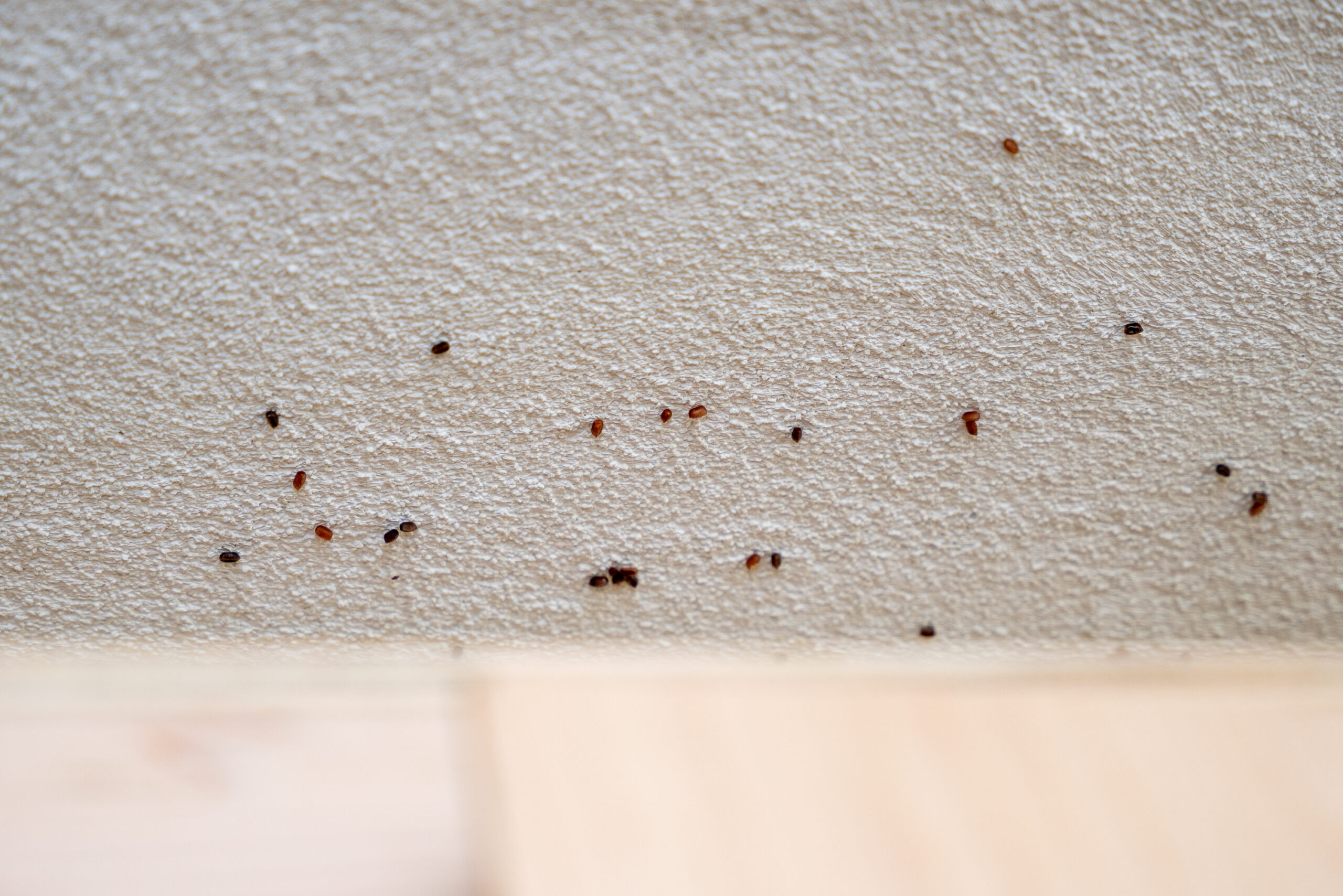
Ants enter kitchens in search of three things—food, water, and shelter. The most common triggers include unsealed food containers, moisture from leaky pipes or condensation, and small cracks in walls or foundations. Identifying the entry point and eliminating the attractant are the two fastest ways to stop an invasion before it escalates.
Finding a line of ants marching across your kitchen counter is one of those frustrating moments that raises an immediate question: where did they come from, and why now? The answer is rarely random. Ants are systematic foragers. When a scout finds something worth reporting back—a sticky drip of maple syrup, a damp patch under the sink, crumbs tucked beneath the toaster—the rest of the colony follows.
The good news is that sudden ant activity almost always has a specific, traceable cause. Once you identify it, you can act fast and decisively. This post breaks down the most common reasons ants invade kitchens, how to pinpoint the source, and what to do before a trickle of five turns into a colony of five hundred.
What Attracts Ants to Kitchens in the First Place?
Ants don't wander indoors by accident. They're responding to chemical signals—pheromone trails left by scout ants who detected a resource inside your home. Kitchens are the most common target because they concentrate all three things ants need to survive: food, water, and warmth.
The species you're dealing with also matters. Odorous house ants (Tapinoma sessile) are attracted to sweet substances and moisture. Carpenter ants (Camponotus spp.) seek damp or rotting wood near plumbing. Pavement ants (Tetramorium caespitum) are less picky and will forage almost anything. Identifying the species can help you zero in on what's drawing them in.
The Most Common Triggers Behind a Sudden Ant Invasion
Unsealed or Improperly Stored Food
This is the single most common cause. Even small amounts of residue—a dusting of sugar near the coffee maker, a fruit bowl with overripe bananas, a jar of honey with a sticky lid—can trigger a scouting mission. Ants can detect food odors at concentrations as low as a few parts per billion, which means what smells like nothing to you may smell like a buffet to them.
Common food-related attractants:
| Food Type | Why It Attracts Ants |
|---|---|
| Sugary foods (syrup, honey, juice) | High sugar content signals a dense energy source |
| Overripe or rotting fruit | Fermenting sugars release strong odors |
| Pet food left in open bowls | Protein and fat attract multiple ant species |
| Bread crumbs and cereal | Carbohydrate-rich and easily accessible |
| Grease buildup near the stove | Fatty residue is a major attractant for grease ants |
Moisture and Leaky Plumbing
Water is often a bigger draw than food, particularly during dry periods or hot weather when outdoor water sources dry up. A slow drip under the sink, condensation around a pipe, or a damp sponge left on the counter can be enough to direct an entire foraging trail.
Carpenter ants, in particular, are strongly associated with moisture damage. If you notice large black ants near wooden cabinets or baseboards close to plumbing, inspect for water-damaged wood—they're likely nesting there, not just passing through.
Cracks, Gaps, and Structural Entry Points
Ants don't need much space. A gap the width of a credit card in a windowsill, door frame, or baseboard is enough. Common entry points include:
- Gaps around utility pipes that pass through walls
- Cracks in exterior foundation walls
- Poorly sealed window frames
- Spaces where weatherstripping has worn down
- Gaps beneath exterior doors
Sealing these points is one of the most effective long-term prevention strategies, but it's often overlooked because the gaps are small and easy to miss.
Seasonal Changes and Outdoor Pressure
Ants don't behave the same way year-round. There are two seasonal windows when indoor invasions spike:
Spring and early summer: Colonies that overwintered underground become active again. Queens are laying eggs, colonies are expanding, and scouts are ranging farther in search of food. This is when most homeowners first notice a problem.
Late summer and fall: As outdoor temperatures drop, ants start looking for warmer environments with reliable food sources. Your kitchen fits that description perfectly.
Heavy rain is another driver. When water saturates the soil around a colony's nest, workers will move indoors to avoid flooding—sometimes bringing the entire colony with them.
| Season | Likely Trigger |
|---|---|
| Spring | Colony expansion, scouting for new food sources |
| Summer | Heat drives search for moisture and cool spaces |
| Fall | Ants seek warmth as outdoor temperatures drop |
| After heavy rain | Flooding pushes colonies to seek higher, drier ground |
Nearby Nest Relocation
Sometimes ants aren't just visiting—they're moving in. If you've recently disturbed soil near your home (landscaping, gardening, construction), you may have disrupted a nest. Displaced colonies will seek an alternative location, and wall cavities near warm kitchens are attractive targets.
Signs that a colony has nested indoors rather than just foraging from outside include seeing ants consistently at the same time of day, ants carrying white egg sacs or larvae, and activity that continues even when outdoor temperatures are cold.
How to Identify the Source of the Infestation
Rather than immediately reaching for a spray can, take 10 minutes to trace the trail. Follow the ant line in reverse—toward where they're coming from, not where they're going. This usually leads you directly to the entry point.
A quick diagnostic checklist:
- Check under and behind the sink for moisture or drips
- Inspect the back of cabinets for food residue or spills
- Look along baseboards and walls for visible cracks
- Check where pipes enter the wall for gaps
- Examine window and door frames for deteriorated seals
- Look for damp patches near appliances (dishwasher, refrigerator)
Once you've found the entry point, note the ant size and color. This helps identify the species and informs your treatment approach.
What to Do When You Find Ants in Your Kitchen
Eliminate the Attractant First
No treatment will work long-term if the root cause remains. Before anything else:
- Transfer dry goods (flour, sugar, cereal, rice) into airtight containers
- Clean up spills immediately, including inside cabinet shelves
- Empty and clean pet food bowls after each feeding
- Rinse recyclables before putting them in the bin
- Fix any dripping taps or leaking pipes under the sink
Clean the Pheromone Trail
Ants follow chemical trails left by scouts. Cleaning the trail with a solution of white vinegar and water (equal parts) disrupts the scent markers and confuses foraging workers. Wipe down counters, floors, and any surface where you've seen activity.
Use Ant Bait Rather Than Spray
Spraying visible ants kills the workers you can see but does nothing to the colony. Ant bait works differently—workers carry the toxic bait back to the nest, where it's shared with the queen and larvae. This addresses the source rather than the symptom.
Slow-acting baits tend to be more effective because workers have time to distribute the bait before dying. Gel baits (such as those containing hydramethylnon or borax) are widely available and effective against most common kitchen ant species.
Seal Entry Points
Once you've identified where ants are entering, seal the gap with silicone caulk for cracks in walls and foundations, or expanding foam for larger gaps around pipes. Replace worn weatherstripping on doors and windows. This step is often skipped, but it's what prevents the next invasion.
When to Call a Professional
Most kitchen ant problems can be resolved without professional help. However, consider calling a licensed pest control operator if:
- You've identified or suspect carpenter ants (structural damage is a serious risk)
- The infestation persists for more than two to three weeks after treatment
- You can't locate the nest or entry point
- The colony appears to be nesting inside walls or under flooring
Preventing Future Ant Invasions in Your Kitchen
Long-term prevention comes down to consistency. A few habits make a significant difference:
Weekly: Wipe down counters, clean behind appliances, empty trash cans, and check under the sink for moisture.
Monthly: Inspect door and window seals, look for new cracks in baseboards or walls, and check that dry goods are stored in sealed containers.
Seasonally: Before spring and fall—the two peak invasion periods—do a walkthrough of your home's exterior and seal any new gaps around the foundation, utility pipes, and siding.
A well-maintained kitchen with no standing moisture and no accessible food is a kitchen ants have very little reason to enter.
The Bottom Line on Sudden Kitchen Ant Activity
Ants don't appear without reason. The trail on your counter is the result of a scout that found something worth sharing—and now the whole team knows about it. The fastest way to resolve the problem is to find what drew them in, cut off access, and disrupt the trail so workers can't keep recruiting others.
Bait works better than spray. Prevention works better than either. And the earlier you act, the less established the infestation becomes.
Frequently Asked Questions
Why do I suddenly have ants in my kitchen when I didn't before?
Sudden ant activity is almost always triggered by a specific change—a new food source, a moisture leak, a shift in outdoor conditions (such as heavy rain or temperature change), or seasonal colony expansion in spring and fall. Scout ants detected something attractive and laid a pheromone trail for others to follow.
How do I get rid of ants in my kitchen fast?
The fastest approach is to remove the attractant, clean the pheromone trail with a vinegar-and-water solution, and place ant bait near the trail. Avoid spraying, which kills visible workers but leaves the colony intact.
What causes ants in the kitchen even when it's clean?
If your kitchen appears clean but ants persist, look for hidden moisture sources (drips under the sink, condensation around pipes), residue inside cabinets or beneath appliances, or a colony that has nested inside your walls and is foraging for water rather than food.
Are kitchen ants harmful?
Most common kitchen ants—including odorous house ants and pavement ants—are a nuisance rather than a health risk. However, carpenter ants can cause structural damage by nesting in damp wood. If you notice large black ants near wooden structures, treat this as a higher-priority problem.
How long does it take to get rid of a kitchen ant infestation?
With ant bait and source elimination, most infestations resolve within one to two weeks. Slow-acting bait needs time to reach the queen, so patience is important. If the problem persists beyond three weeks, professional intervention may be needed.
Can ants in the kitchen come back after treatment?
Yes—if the entry point isn't sealed or the attractant isn't removed, a new colony can find the same path. Sealing gaps and maintaining clean, dry kitchen conditions are the most reliable ways to prevent repeat invasions.