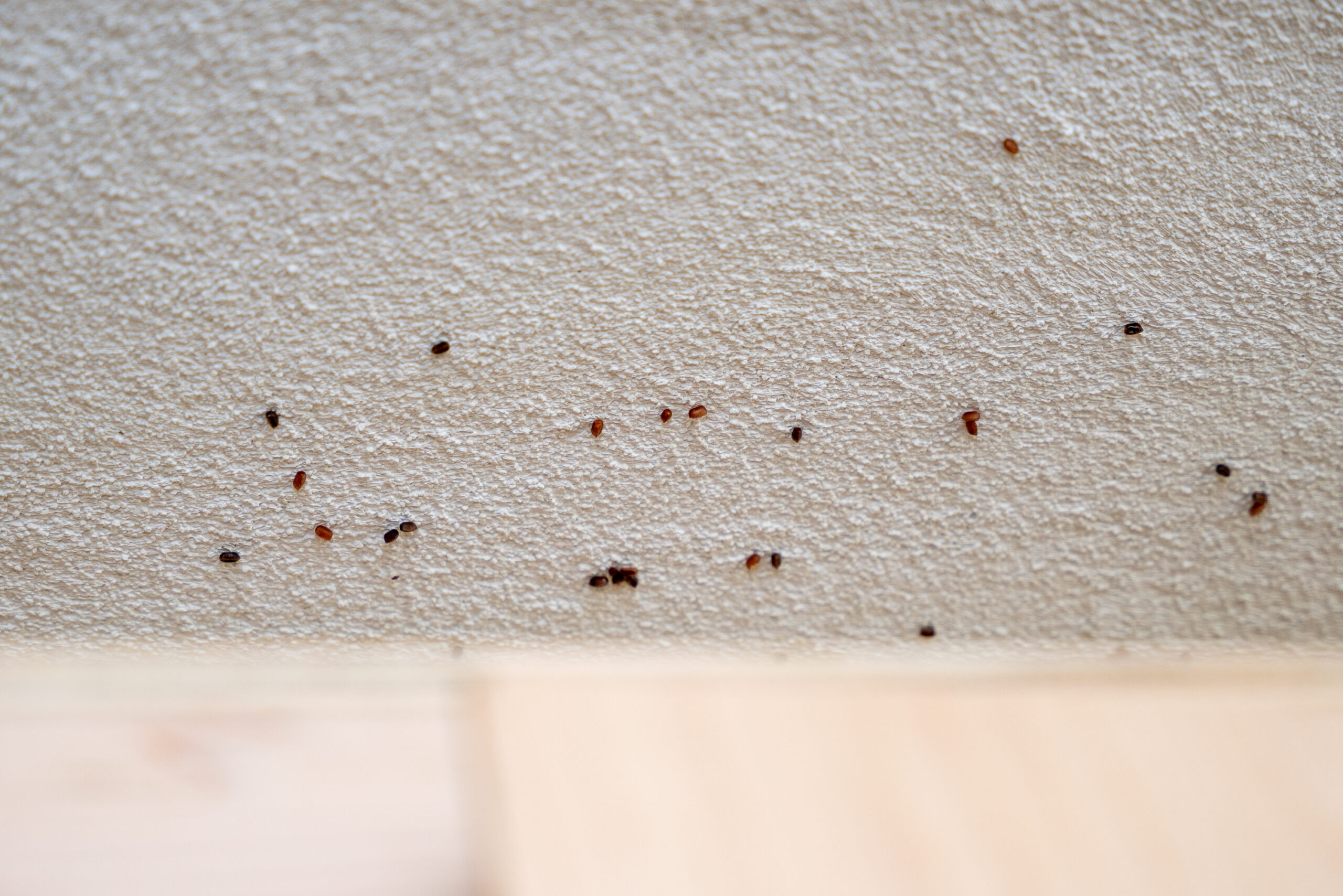
As temperatures drop in fall, rats actively seek warm shelter, food, and nesting sites inside homes. Common entry points include gaps around pipes, vents, and foundations. Sealing these openings, removing food sources, and acting on early warning signs—like droppings or gnaw marks—are the most effective ways to prevent a seasonal infestation.
Every fall, millions of homeowners across the United States deal with an uninvited guest. Not a neighbor dropping by unannounced. Something far less welcome. Rats begin their seasonal push indoors well before the first frost, and by the time most people notice the signs, a small problem has already grown into something much harder to manage.
What makes fall infestations particularly costly is timing. Rats don’t wander inside out of curiosity—they move with purpose. They’re scouting for warmth, food, and a safe place to breed through winter. Once they find it, they settle in fast. A single pair of rats can produce up to 2,000 descendants in a year under ideal conditions, according to the National Pest Management Association (NPMA).
The damage they leave behind goes well beyond chewed food packaging. Rats gnaw through electrical wiring, insulation, and structural materials. The NPMA estimates that rodents are responsible for 20–25% of undetermined house fires in the United States each year. Add in the health risks—rats are known carriers of leptospirosis, salmonella, and hantavirus—and the stakes become clear.
This guide covers everything you need to know: why rats target your home in fall specifically, the warning signs most homeowners overlook, the areas of your home most at risk, and the step-by-step actions that actually work to keep them out.
Why Do Rats Invade Homes in Fall?
Rats are opportunistic survivors. Their behavior follows a predictable seasonal rhythm tied directly to food availability, temperature, and reproductive cycles.
What drives rats indoors when temperatures drop?
As outdoor temperatures fall below 50°F (10°C), rats begin losing reliable access to food and warmth. Outdoor food sources—garden produce, open compost, and fallen fruit—diminish rapidly. Rats respond by migrating toward structures that offer heat, shelter, and a consistent food supply.
Two species account for the vast majority of fall home invasions in North America:
|
Species |
Common Name |
Preferred Entry Points |
Nesting Preference |
|---|---|---|---|
|
Rattus norvegicus |
Norway Rat (Brown Rat) |
Foundation gaps, drains, burrows |
Basements, crawl spaces, ground level |
|
Rattus rattus |
Roof Rat (Black Rat) |
Rooflines, vents, tree branches |
Attics, wall voids, upper floors |
Norway rats move at ground level, burrowing into foundations and squeezing through gaps as small as half an inch. Roof rats are climbers—they access homes from above, using overhanging branches, gutters, and utility lines as entry routes.
Why fall specifically—and not winter?
Most people assume rats move inside when winter arrives. The reality is that fall is the critical window. Rats establish territory and nesting sites before temperatures become extreme. By mid-winter, they’re already settled, breeding, and feeding from inside your walls.
This means prevention must happen in September and October—not December.
Warning Signs of a Rat Infestation Most Homeowners Miss
Rats are nocturnal and cautious. They avoid open spaces and stick to the same routes along walls and behind appliances. That behavioral pattern makes them easy to miss—until the infestation is well established.
What are the early signs of rats in a home?
|
Warning Sign |
What It Looks Like |
Where to Find It |
|---|---|---|
|
Droppings |
Dark, capsule-shaped, ¼–¾ inch long |
Along walls, in cabinets, near food storage |
|
Gnaw marks |
Rough, chewed edges on wood, plastic, or wiring |
Baseboards, food containers, insulation |
|
Grease marks |
Dark smear lines along walls and baseboards |
Entry points and regular travel routes |
|
Scratching sounds |
Rustling or scraping, especially at night |
Walls, ceilings, under floorboards |
|
Nesting material |
Shredded paper, fabric, or insulation |
Corners of attics, inside wall voids |
|
Burrow holes |
Smooth-edged, 2–4 inch diameter openings |
Near foundations, under decks, along fences |
One sign that’s frequently overlooked: pet behavior changes. Dogs and cats often become alert or agitated near walls where rats are active, even before any visible evidence appears.
Which Parts of Your Home Are Most Vulnerable in Fall?
Rats follow heat and structural weaknesses. Certain areas of a home are consistently higher risk than others.
Attics
Roof rats treat attics as prime real estate. Warm, dry, rarely disturbed, and full of nesting material—attics check every box. Rats enter through damaged soffits, roof vents without proper screening, and gaps where rooflines meet exterior walls. Insulation damage is often the first visible sign of attic activity.
Basements and Crawl Spaces
Norway rats gravitate toward ground-level entry. Basements with foundation cracks, gaps around utility pipes, or floor drains with no backflow protection are common targets. Crawl spaces are particularly vulnerable because they combine ground-level access with low human traffic—rats can establish extensive tunnel systems before anyone investigates.
Garages
Garage doors that don’t seal fully at the bottom are a standard entry point. Rats exploit the gap, then access the home through interior door frames, wall penetrations, or utility runs. Stored pet food, birdseed, and cardboard boxes make garages attractive nesting grounds.
Kitchen Walls and Under Appliances
Once inside, rats prefer to nest near food sources. The space behind refrigerators, under stoves, and inside wall voids adjacent to the kitchen are common nesting locations. Wiring damage in these areas creates both fire risk and appliance failure.
How to Rat-Proof Your Home Before Winter
Effective rat prevention follows a straightforward sequence: seal entry points, eliminate attractants, then add deterrents if needed. Skipping the first two steps and relying only on traps or repellents is the most common—and most expensive—mistake homeowners make.
Step 1: Conduct a Full Exterior Inspection
Walk the perimeter of your home in daylight and look for:
- Gaps larger than ½ inch around pipes, conduits, and utility lines
- Damaged or missing vent screens
- Cracks in the foundation wider than a dime
- Gaps under garage doors
- Unsealed areas where the roofline meets siding or soffits
Pay particular attention to where different materials meet. The junction between concrete and wood, or between siding and a window frame, often develops small but sufficient gaps over time.
Step 2: Seal Every Opening with the Right Materials
Not all sealants stop rats. Steel wool alone compresses and corrodes. Foam insulation without reinforcement is easily chewed through.
|
Opening Type |
Recommended Sealant |
|---|---|
|
Gaps around pipes (under ½ inch) |
Copper mesh + caulk |
|
Larger gaps and holes |
Hardware cloth (½ inch galvanized) |
|
Foundation cracks |
Concrete patching compound |
|
Vent openings |
Metal mesh covers |
|
Garage door gaps |
Door sweep with metal reinforcement |
Avoid using plastic or rubber-only solutions in high-risk areas. Rats can chew through both materials given enough motivation.
Step 3: Remove Food and Nesting Attractants
A sealed home still attracts rats if food sources are accessible. Effective removal means:
- Storing all pet food and birdseed in airtight metal or heavy-duty plastic containers
- Moving compost bins at least 30 feet from the home’s exterior
- Clearing fallen fruit, garden debris, and wood piles from the yard
- Removing stacked cardboard, old furniture, and clutter from garages, basements, and crawl spaces
Step 4: Reduce Exterior Access Routes
Roof rats use overhanging branches and utility lines to reach rooftops. Trim tree branches to at least 6 feet from the roofline. Install metal guards on utility lines where they connect to the structure.
At ground level, clear vegetation within 18 inches of the foundation. Dense shrubs and groundcover provide cover for Norway rats moving toward entry points.
Step 5: Deploy Traps Strategically
Traps are most effective as a secondary measure after sealing and exclusion work has begun. Place snap traps:
- Along walls (rats avoid open spaces)
- In areas where droppings or gnaw marks have been found
- Inside enclosed bait stations in garages and crawl spaces
Check and reset traps every 24–48 hours. Glue boards are less effective for rats than for mice and raise animal welfare concerns—snap traps and enclosed bait stations are generally the preferred professional choice.
Step 6: Know When to Call a Pest Control Professional
Some infestations exceed what DIY exclusion and trapping can resolve. Call a licensed pest control professional if:
- Droppings are found in multiple rooms or areas
- Sounds of activity are persistent and widespread
- You find evidence of gnawed wiring or structural material
- Initial trapping efforts produce no results within one week
Professional pest control operators can identify entry points that homeowners miss, apply rodenticides in appropriately secured bait stations, and provide ongoing monitoring. The NPMA recommends working with licensed professionals for active infestations to ensure safe, compliant treatment.
Frequently Asked Questions About Rats in Fall
Why do rats come inside in fall and not other seasons?
Rats move indoors in fall because outdoor food sources shrink and temperatures begin to drop. Fall gives rats enough time to establish nesting sites before winter sets in. Prevention is most effective in September and October, before rats have settled into a home.
How do I know if I have rats or mice?
Rat droppings are larger (¼ to ¾ inch long) and capsule-shaped, compared to the smaller, pointed droppings of mice. Gnaw marks left by rats are also larger and rougher. Norway rats produce burrows; mice rarely do. If the entry holes you find are larger than ½ inch, rats are the more likely culprit.
Can rats squeeze through very small gaps?
Yes. Norway rats can fit through a gap roughly the size of a quarter (½ inch in diameter). Roof rats, being slightly smaller, can fit through openings as small as ½ inch as well. Any gap larger than a pencil diameter should be sealed.
Do ultrasonic repellers actually keep rats away?
The evidence for ultrasonic devices is weak. A 2019 review of pest control studies found no consistent data supporting their effectiveness as standalone deterrents. Structural exclusion—physically sealing entry points—remains the most reliably effective prevention method.
How long does it take to get rid of a rat infestation?
For minor infestations caught early, a combination of sealing, trapping, and removing attractants can resolve the problem within two to four weeks. Larger or more established infestations typically require professional treatment and may take four to eight weeks to fully control.
Is it safe to clean up rat droppings myself?
Rat droppings can carry hantavirus, which spreads through inhalation of contaminated dust. The CDC recommends ventilating the area for 30 minutes before entering, wearing rubber gloves and an N95 respirator, and dampening droppings with a bleach solution before wiping—never sweeping or vacuuming dry droppings.
Stop Rats Before They Stop You
Fall rat prevention is less about dramatic intervention and more about timing. The homeowners who avoid infestations aren’t necessarily those with the cleanest homes—they’re the ones who inspect, seal, and remove attractants before the first cold snap.
Start with an exterior inspection this week. Walk the foundation, check the roofline, look behind appliances. A $5 tube of caulk and an hour of your time can prevent thousands of dollars in wiring, insulation, and structural damage later.
If you find signs of an active infestation, don’t wait. The longer rats are established inside a home, the more complex—and expensive—the removal process becomes. Reach out to a licensed pest control professional for an assessment, and take action before winter makes the problem worse.