Just like termites and many bee and wasp species, ants are social insects that live in colonies. Of the more than 1,000 ant species documented in the US, only a very small minority are known pests of homes and buildings. Most ant species nest within soil, as soil provides ants with moisture, food and protection from most predators. Ant species that are known pests of homes establish nesting sites below concrete slabs, against foundation walls, in crawl spaces, in mulch, in trees, and beneath objects like stones, wood piles, and landscaping ornaments.
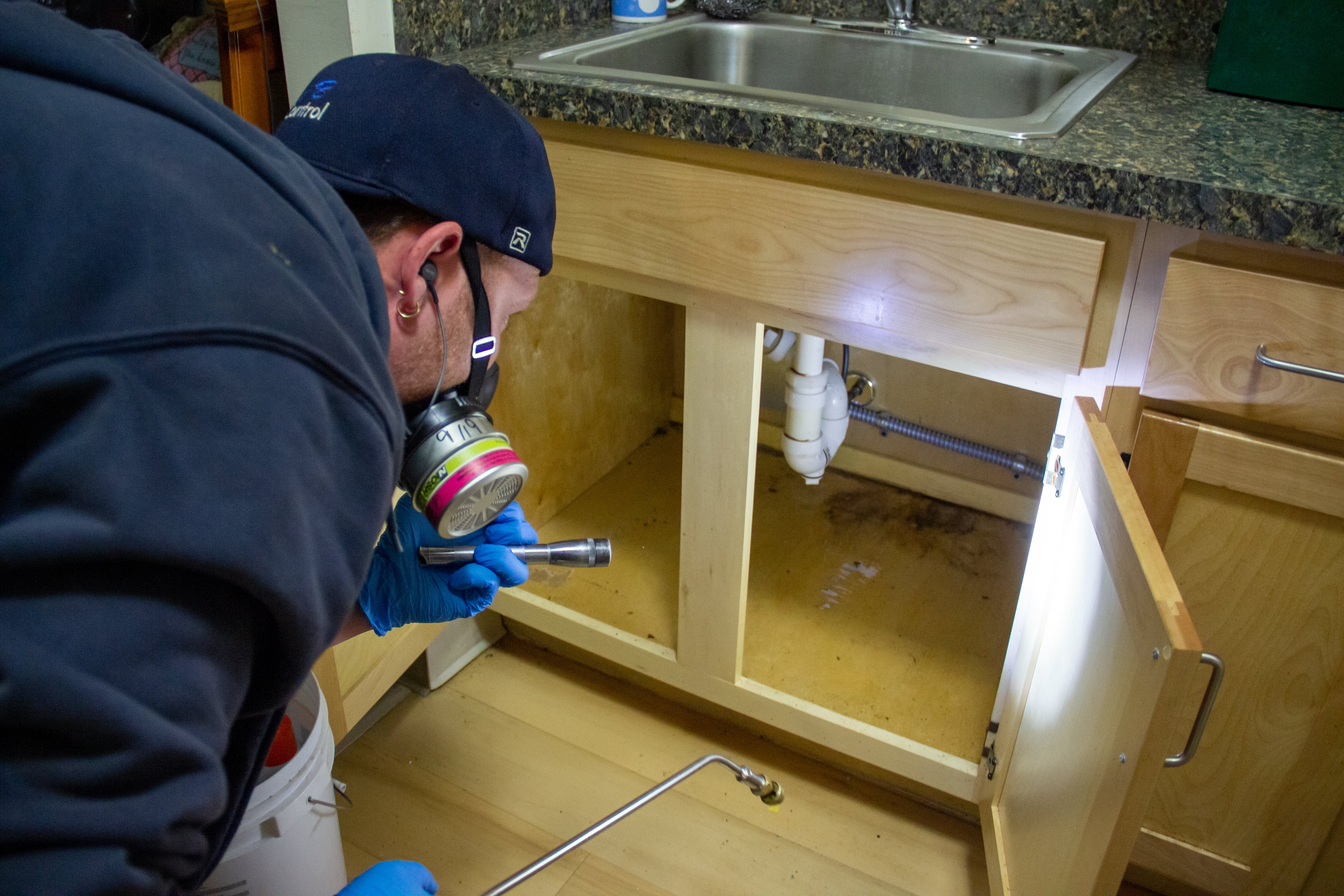
Unfortunately, most ant pest species are capable of establishing nests in certain indoor locations, such as wall voids, structural wood, ceiling voids, subflooring, attics, in voids behind cupboards, and other hard-to-access locations. Ant pests enter homes for the purpose of securing food sources, moisture, and/or shelter from disagreeable climatic conditions. In order for ant pests to survive indoors they must establish a nesting site within an adequately moist area located near a food source. The most commonly controlled ant pest species in the northeast include black carpenter ants, odorous house ants, and pavement ants.
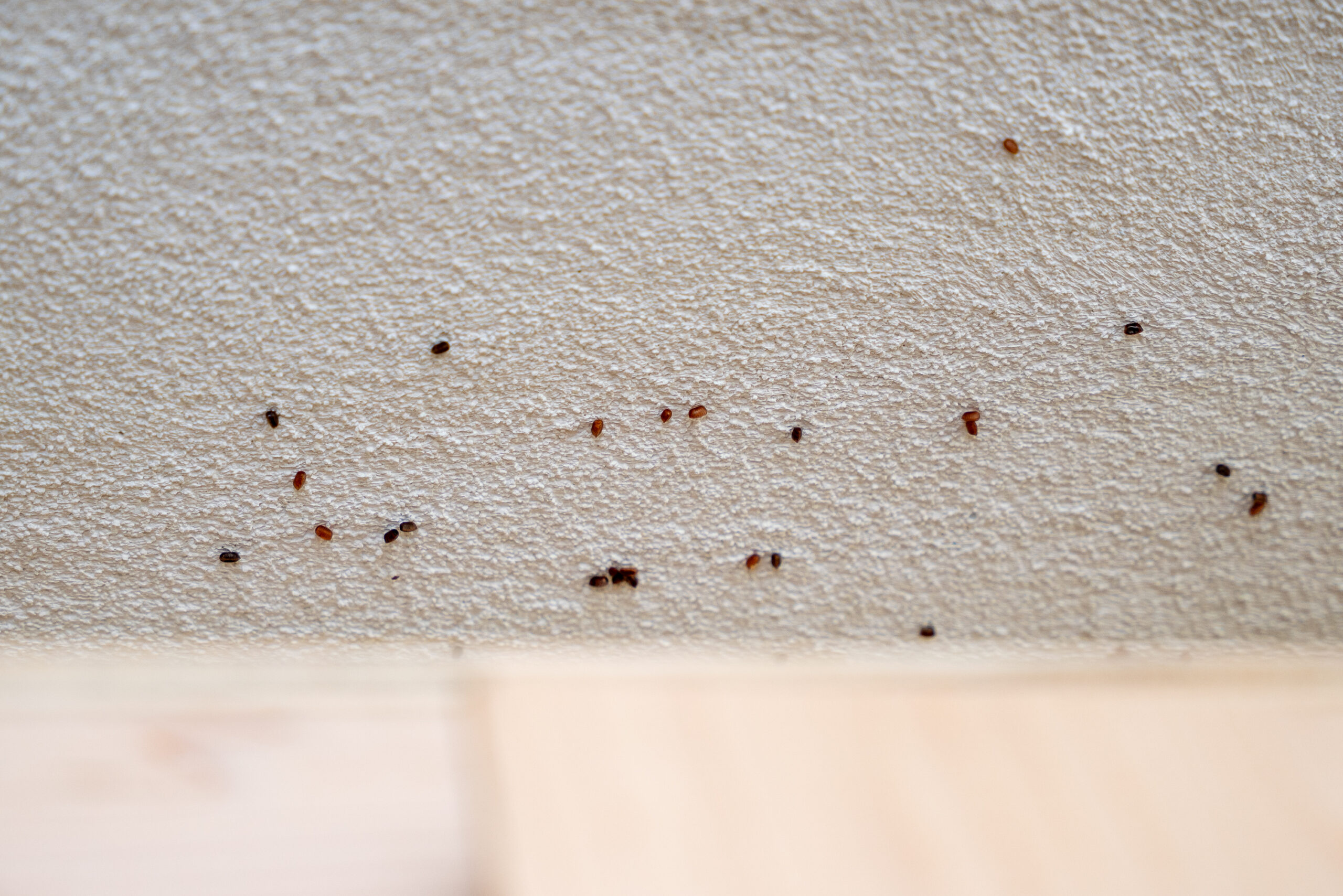
The US is home to around 12 carpenter ant species that are known structural pests, and they are the most commonly controlled group of ant pests in the country. The black carpenter ant is the most common and destructive carpenter ant pest in the US, and they are particularly abundant in the northeast where they frequently excavate nesting galleries within moist structural wood. Carpenter ants are the largest ants in the US in terms of body size, and the black carpenter ant is no exception, as workers of this species are around ¼ to ¾ inch in body length. Carpenter ant workers can also be recognized for their nighttime habit of traveling in straight lines along well defined foraging paths.
Following carpenter ants while they forage at night will eventually lead to their nesting sites, which is usually necessary for pinpointing the location of all indoor and outdoor nests associated with infestations. However, following foraging workers can be a stressful way to find nesting sites, as carpenter ant workers are known to travel more than 100 feet away from their nests to locate food sources. Carpenter ants will readily eat a variety of indoor foods including sweets, fats, meats, fish, and grease. It is not uncommon for workers to infest pantries and kitchen cupboards in order to access food.
Have you ever found carpenter ant workers within your home?