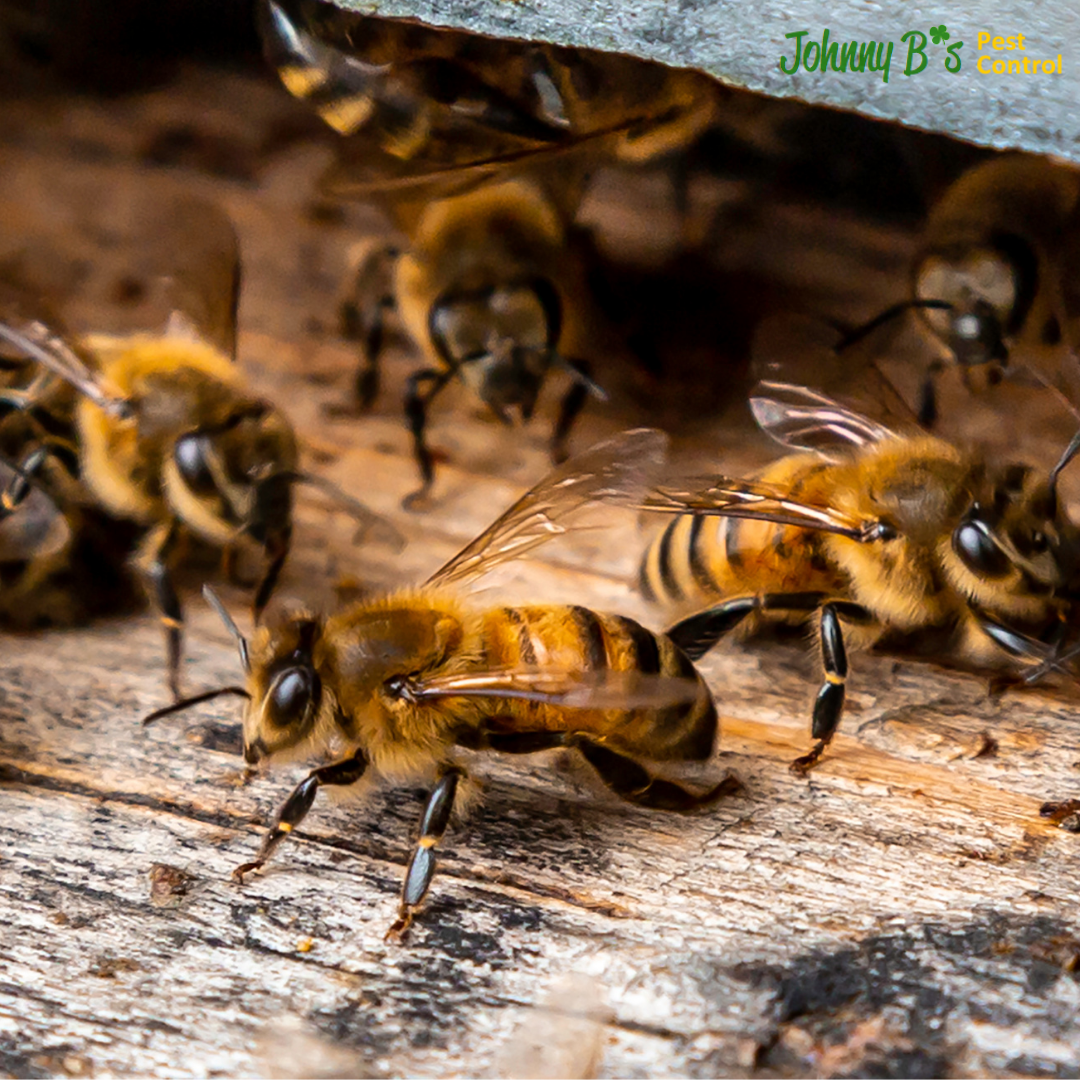
The buzzing creatures help Mother Nature, but when someone disturbs them, they can sting you. If a bee stings you, it is advisable to seek medical assistance for further treatments. Let us look at the reasons why bees sting and the types of bee stings.
Why bees sting?
Insects such as bees, hornets, and yellow jackets sting to defend themselves or their colonies. The degree of aggressiveness of a bee sting depends upon various species.
But the reason for attacking is their instinctive desire to protect and defend their colonies.
Honey bee sting:
The appearance of honey bees depending on whether they are drones, workers, or the queen. They have four wings that have brown and black color. The abdomen of a honey bee is larger than the thorax. These buzzing creatures are not overly aggressive and sting when provoked by someone. They sting in large numbers.
Bumblebee sting:
Bumblebees are wider than honey bees. They have a round abdomen with yellow hairs.
They are generally peaceful insects. They will sting only when their beehive is disturbed. Bumblebees inject venom through their sting into their victim. A bumblebee can sting several times because it can pull back its sting without detaching from its abdomen. A female bumblebee can only sting, whereas a male bee cannot. In most cases, the sting can create a minor swelling but can cause allergic reactions.
Africanized Honey Bees sting:
Africanized honey bees are identical to the common honey bees except for characteristics. They tend to build their colonies in wild places. However, these bees have an over-aggressive nature. They may sting in huge swarms.
General Sting Symptoms:
Africanized Honey Bees sting and inject venom only once and usually die within minutes after stinging. While stinging on the victim, they release a chemical pheromone that attracts more bees to attack and sting.
Honey Bees can sting several times. The Africanized Honey bees involve a mass stinging process to the victim.
Except for the Bumblebees, the bees attach a venom gland where the stinger gets embedded into the skin. Remember to remove the stinger by scraping off, rather than using the tweezers, as it will inject more venom into the skin.
Bee sting symptoms are as follows:
- Stinger left behind.
- Elevation of the skin surface.
- The central white spot appears on the punctured skin caused by a bee sting.
- An allergic reaction occurs, such as nausea, swollen face, chest pain, difficulty breathing, and difficulty swallowing.
Categories of sting reactions:
Common reactions:
These reactions are common that do not create much response to the victim’s body.
Bacterial reactions:
If the sting is scratched, bacteria’s can grow and develop in the infected skin.
Allergic reactions:
If the victim’s body has developed an antibody known as immunoglobulin E, the reactions will occur in those bodies. It causes swelling on the victim’s body.
Toxic reactions:
These reactions occur with an excessive amount of venom in the body if the individual experience multiple stings.
Wrapping up:
Consult the doctor to get the treatment for the bee stings. Also, to solve the bee issue permanently, do call professional pest control experts.