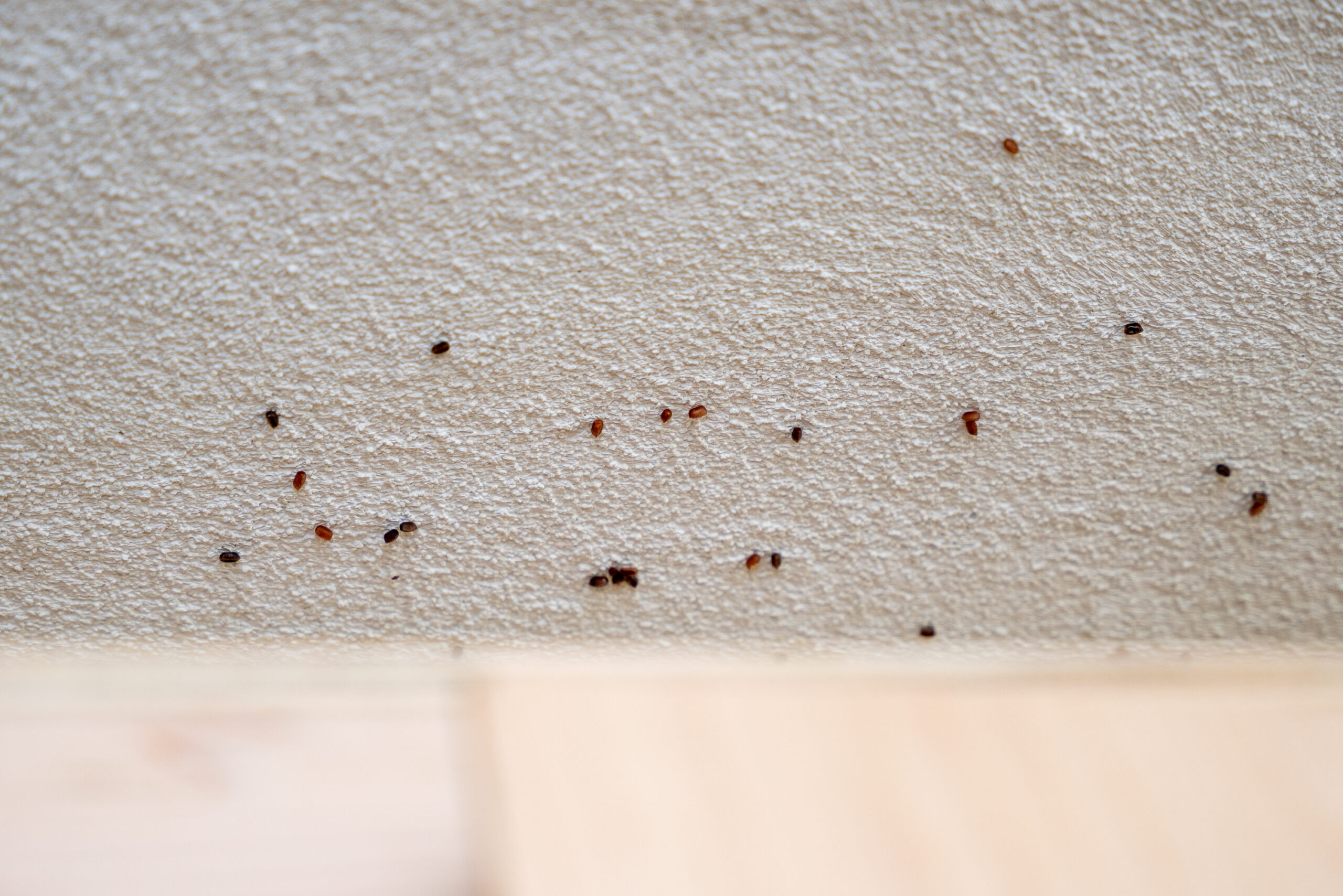
Flies are common pests that can invade our homes and businesses, causing a range of issues from contamination of food to spreading diseases. In Boston, flies can be especially problematic due to the warm and humid climate. Fortunately, there are several effective methods to prevent flies from taking over your property. In this article, we will provide a comprehensive guide on how to prevent flies in Boston.
The Importance of Fly Prevention
Flies are not just an annoyance, they can also pose serious health risks. Flies are known carriers of diseases such as Salmonella, E. coli, and typhoid fever. They can contaminate food and surfaces with bacteria and germs, making it easy for humans to contract these illnesses. Additionally, flies can cause allergic reactions in some individuals, and their presence can be a sign of larger pest problems.
To effectively prevent flies, it’s important to identify the source of the problem. Flies are attracted to decaying organic matter such as garbage, pet waste, and dead animals. They also like to lay their eggs in moist areas such as standing water, which can be found in clogged gutters or flowerpots. Once you identify the source of the problem, you can take steps to eliminate it.
Prevention Methods
There are several effective methods for preventing flies in Boston:
- Keep a Clean Environment Flies are attracted to dirty and unsanitary environments, so keeping your property clean is crucial. Make sure to clean up spills and crumbs, keep garbage in sealed containers, and regularly clean your floors and surfaces.
- Remove Standing Water Standing water can be a breeding ground for flies, so it’s important to eliminate any sources of standing water on your property. This includes checking gutters for blockages, emptying flowerpot saucers, and fixing any leaks.
- Install Screens Installing screens on doors and windows can prevent flies from entering your home or business. Make sure to inspect screens regularly for any tears or holes and repair them promptly.
- Use Fly Traps Fly traps can be an effective way to catch and eliminate flies. There are several types of fly traps available, including sticky traps and light traps. These traps use attractants to lure flies in and prevent them from escaping.
- Professional Pest Control If you are experiencing a serious fly infestation, it may be necessary to hire a professional pest control company. They can assess the extent of the problem and provide effective solutions to eliminate the flies.
Conclusion Flies can be a nuisance and a health hazard, but with proper prevention methods, you can keep them at bay. Identifying the source of the problem and keeping your environment clean are key to preventing flies from taking over your property. Installing screens and using fly traps can also be effective methods. If you are dealing with a serious fly infestation, it’s best to call in a professional pest control company to ensure the problem is eliminated. By following these tips, you can enjoy a fly-free environment in Boston.