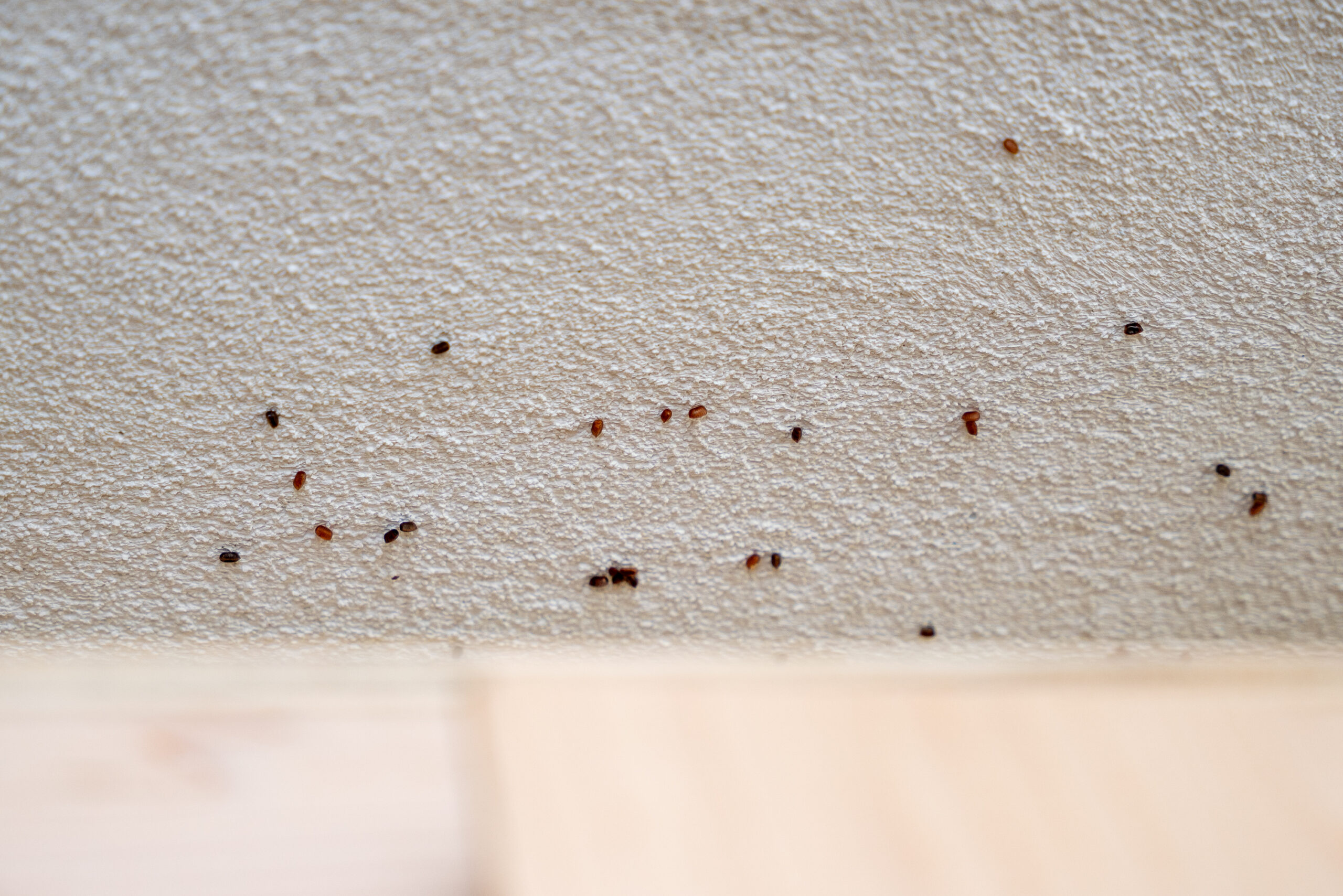
Cockroaches have adapted many physiological functions and bodily features that make them extremely resilient to harsh environmental conditions. Their hardiness explains why cockroach species have become a diverse insect group that has established native populations in just about every region of the world. Cockroach fossils dating back at least 250 million years have been found in various regions of the world, which makes the insects older than dinosaurs. This is more than enough time for cockroaches to establish a firm foothold within every region where they are native. Unfortunately, this makes cockroaches a regular fixture in every environment where humans have settled. Considering that cockroach species are able to thrive within regions as far north as Canada, it should not be surprising for Massachusetts residents to learn that the odious insects maintain a thriving population within houses and buildings in the state during the winter season. Of course, cockroaches are not as diverse and abundant in New England as they are in, say, Florida, and their activity certainly decreases during the winter in Massachusetts, but this does not mean that they die-off annually do to freezing winter temperatures in the state.
Unlike many household insect pests, not all cockroach species in Massachusetts invade houses for the sole purpose of securing safe shelter from the winter cold; instead, cockroaches invade homes in order to scavenge for food or to bask in their preferred filthy conditions. For example, many cockroach species in the northeast overwinter within the ground soil during their larval stage as opposed to overwintering within homes and buildings. Mature cockroaches may seek shelter from the cold, but their larvae remain inactive within soil during the winter, and they only proceed to develop once temperatures increase to necessary levels. So while cockroach adults invade homes for many reasons other than refuge from the cold, their offspring have adapted to survive northern winters no matter how low the temperature drops.
Have you ever found cockroaches in your home during the winter?