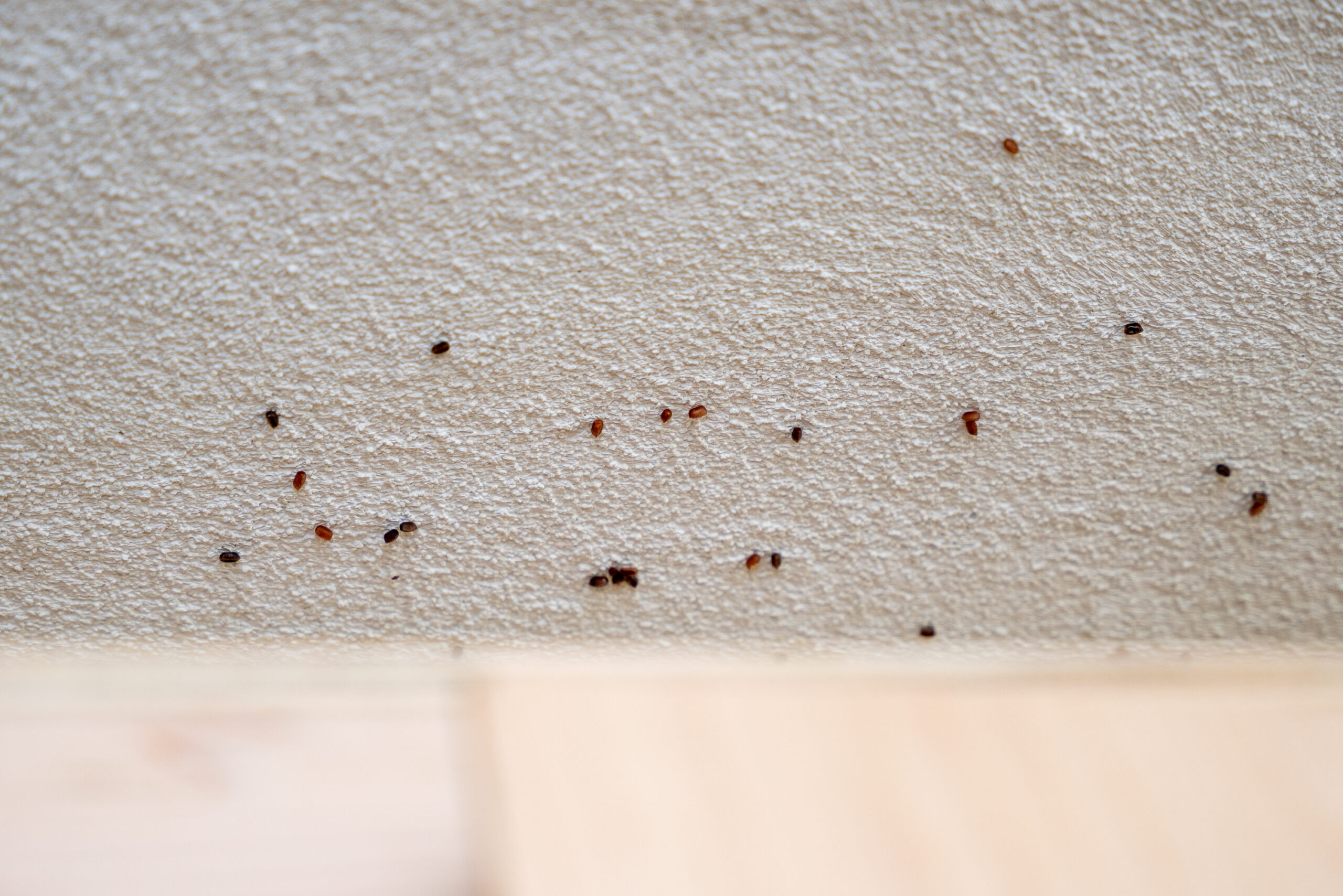
Seeing a cockroach in your home usually signals an established hidden population and points to underlying issues with moisture, food debris, or structural entry points. To get rid of cockroaches for good, homeowners should avoid store-bought repellent sprays that scatter the colony, correct the environmental conditions attracting the pests, and utilize professional-grade targeted gel baits and insect growth regulators.
Spotting a cockroach scurrying across your kitchen floor often triggers immediate panic. Most homeowners feel a sudden urge to buy every chemical spray available and scrub their house from top to bottom. However, panic rarely leads to effective pest control.
Instead of viewing a roach sighting purely as a crisis, it is much more helpful to view the insect as a diagnostic indicator. A cockroach presence is simply a signal that specific environmental conditions exist within your walls, cabinets, or plumbing fixtures. By understanding what these pests need to survive, you can decode the signals they are sending and dismantle their habitat.
This guide will explain exactly what cockroach activity means for your property. You will learn why over-the-counter pest control products frequently fail to solve the root problem, and you will discover the exact steps required for complete cockroach prevention for homeowners.
What Does It Actually Mean When You See a Cockroach in Your House?
Finding a cockroach in broad daylight is rarely an isolated incident. Because cockroaches are nocturnal creatures that naturally avoid light and human activity, a visible roach usually indicates an established population nearby.
When a cockroach colony grows too large for its primary nesting area, overcrowding forces younger or weaker insects out of hiding to search for food during the day. Therefore, a daytime sighting serves as a valuable early warning system. The pest is telling you that a hidden space in your home currently provides the perfect balance of warmth, moisture, and shelter. Acknowledging this fact without alarm is the first step in learning how to get rid of cockroaches in your home effectively.
What Are the Most Common Reasons Cockroaches Choose Your Home?
Cockroaches do not invade homes out of malice. The insects are simply foraging for basic survival necessities. Understanding what draws them inside allows you to systematically remove those attractants.
Hidden Moisture Sources
Cockroaches require consistent water sources to survive. A slow drip under the bathroom sink, condensation building up on refrigerator coils, or a constantly damp bath mat can easily sustain a colony.
Accessible Food Debris
These insects can survive on microscopic amounts of organic matter. Crumbs trapped under the stove, unsealed pet food bags, and grease splatter on the side of an oven provide a constant buffet for foraging roaches.
Cardboard Clutter
Corrugated cardboard is a favorite harboring material for cockroaches. The glue used in cardboard manufacturing acts as a food source, while the tight fluting provides ideal breeding grounds. Piles of delivery boxes in the garage or basement invite infestations.
Structural Gaps and Secondhand Items
Cockroaches frequently enter homes through unsealed gaps around plumbing wall penetrations or underneath exterior doors. Additionally, homeowners often unknowingly bring German cockroach egg cases inside via secondhand furniture, used kitchen appliances, or grocery deliveries.
Where Do Cockroaches Hide Inside a House?
Homeowners often spray baseboards and countertops, expecting to eliminate the infestation. However, cockroaches harbor in spaces that surface sprays never reach.
The insects prefer tight crevices where their bodies touch the surfaces above and below them simultaneously. Common cockroach hiding spots include the voids behind kitchen cabinets, the warm motor housings of refrigerators and dishwashers, the interior of electrical outlets, and the dark spaces above drop ceilings. Treating the visible surfaces completely misses the actual breeding grounds.
Why Do Store-Bought Cockroach Treatments Often Fail?
The most common mistake homeowners make is relying on aerosol contact sprays purchased from hardware stores. These sprays are highly repellent to pests. While a spray might kill the single bug in front of you, the chemical residue signals the rest of the colony to scatter.
What Does Effective Professional Cockroach Treatment Look Like?
Professional pest control technicians approach cockroaches systematically, using tools designed to eliminate the entire colony rather than just the visible foragers.
Effective treatment relies heavily on cockroach gel baits. Technicians place tiny dots of bait near known harborage areas. Foraging roaches consume the bait and carry it back to the nest, where it spreads through the population via a cascading effect. Professionals also apply insect growth regulators (IGRs), which disrupt the reproductive cycle of the insects, preventing juvenile roaches from reaching maturity. This targeted, non-repellent approach provides a permanent solution.
What Steps Can Homeowners Take Right Now to Prevent Cockroaches?
Before a professional arrives, homeowners can take several practical steps to make their home less hospitable to pests.
- Eliminate harborage: Break down and recycle all cardboard boxes, and declutter storage areas to remove hiding spots.
- Fix moisture issues: Repair leaking faucets, tighten plumbing connections under sinks, and ensure your basement or crawlspace is adequately ventilated.
- Seal entry points: Apply caulk around pipes where they enter the walls, install weather stripping on exterior doors, and repair torn window screens.
- Store food properly: Transfer pantry staples and pet food into airtight hard plastic or glass containers.
When Should You Call a Pest Control Professional for Cockroaches?
While minor preventative maintenance is a DIY job, actual infestations require professional intervention. Choose professional pest control if you observe any of the following indicators:
- You see cockroaches during daylight hours.
- You find small, pill-shaped egg cases (oothecae) in cabinets or drawers.
- You spot roach feces, which resembles dark coffee grounds, in the corners of cupboards.
- You notice insect activity in multiple rooms of the house.
Reclaim Your Home from Pests
Cockroach problems are more common than most people admit. An infestation is not a reflection of your housekeeping skills, but rather a solvable environmental issue. By addressing moisture problems, removing clutter, and avoiding repellent sprays, you can make your home an undesirable environment for these insects.
Cockroaches are very treatable when caught early. If you are not sure what you are dealing with, our team offers free home assessments. We will take a look, tell you honestly what we find, and walk you through your options before any treatment begins. Reach out today to schedule your assessment and take back your space.
Frequently Asked Questions About Cockroach Infestations
Does seeing one cockroach mean I have an infestation?
Seeing one cockroach does not guarantee a massive infestation, but it strongly suggests other roaches are nearby. Because cockroaches are social and reproduce rapidly, a single visible insect often means a colony is hiding in the immediate vicinity.
What is the difference between German and American cockroaches for treatment?
German cockroaches are small, light brown, and typically infest indoor kitchens and bathrooms. American cockroaches are much larger, reddish-brown, and usually enter from outdoor sewers or mulch beds. Identifying the species matters because German roaches require aggressive indoor baiting, while American roaches require exterior perimeter sealing and drainage management.
Can cockroaches come back after treatment?
Yes, cockroaches can return if the environmental conditions that attracted them are not resolved. Failing to fix plumbing leaks, leaving food debris accessible, or leaving exterior cracks unsealed creates an environment that will invite new cockroach populations.
How long does a professional cockroach treatment take to work?
Professional gel bait treatments typically show significant results within one to two weeks. The delay occurs because the bait must be ingested and shared among the colony. Total elimination may take several weeks depending on the severity of the infestation.
Are cockroach treatments safe for kids and pets?
Modern professional cockroach treatments, such as gel baits and growth regulators, are highly targeted and applied in small, precise amounts inside cracks and crevices. When applied by a licensed technician according to the product label, these treatments pose minimal risk to children and pets.
Can I do anything to prevent cockroaches from coming back?
The best cockroach prevention for homeowners involves strict sanitation, moisture control, and structural exclusion. Store all food in airtight containers, fix leaks immediately, reduce cardboard clutter, and seal gaps around plumbing fixtures and exterior doors.