It’s very likely that you’ve had to deal with an ant infestation at least once in your life. You might’ve called over a pest control specialist, dealt with it yourself, or the ants just lost interest after a while. However, some infestations can be a lot harder to deal with than others, and you will need to approach the situation in the right way in order to get the best results.
- Know where to look for an infestation
Ants have preferred nesting locations, usually in areas where they have access to moisture and food. This makes kitchens prime locations, but they can also set up in other rooms, especially near piping, air conditioning and heating units, and anywhere else that has a high level of moisture.
- Eliminate sources of excess moisture
Since we know that ants will nest in areas with excess moisture, we can deny them ideal locations by eliminating the sources of this moisture. This can mean repairing leaky pipes and checking under the sinks for moisture. Dehumidifiers can also be great, when they are placed in attics, crawl spaces and damp basements.
- Eliminate sources of food
Once the moisture is out of the way, it’s time to tackle food sources. This is a fairly easy step. Make sure that you wipe down your counters and sweep your floors on a regular basis, to eliminate crumbs and food spills. Then, you want to store your food in sealed containers, and make sure that any jars which contain foods high in sugar (honey, syrup, soda, etc.) are wiped down so they do not have any sticky residue on the surface. Finally, make sure that you have lids on your trash cans so that the ants cannot get in and gain easy access to food.
- Get some help when needed
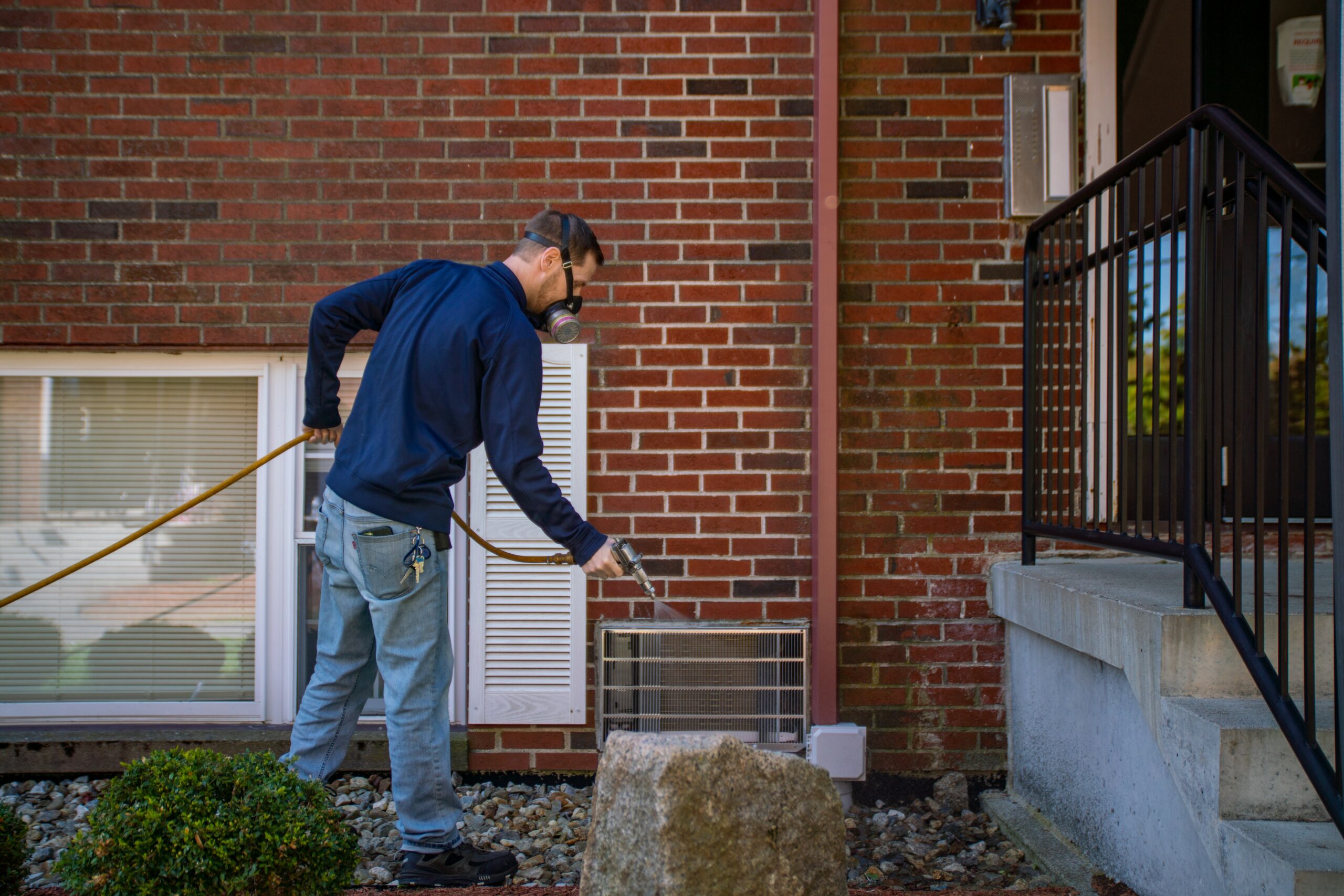
Most ant species are nuisances, but some can be serious pests, species such as carpenter or fire ants. These species need to be removed from your property as soon as possible, because they will either damage the home, or they will pose a health threat to the residents. If you are dealing with a serious ant infestation and preventative measures are not enough to remove it, contact us right away and we will help you get the situation under control. You can also contact us with any questions you may have related to ant control.