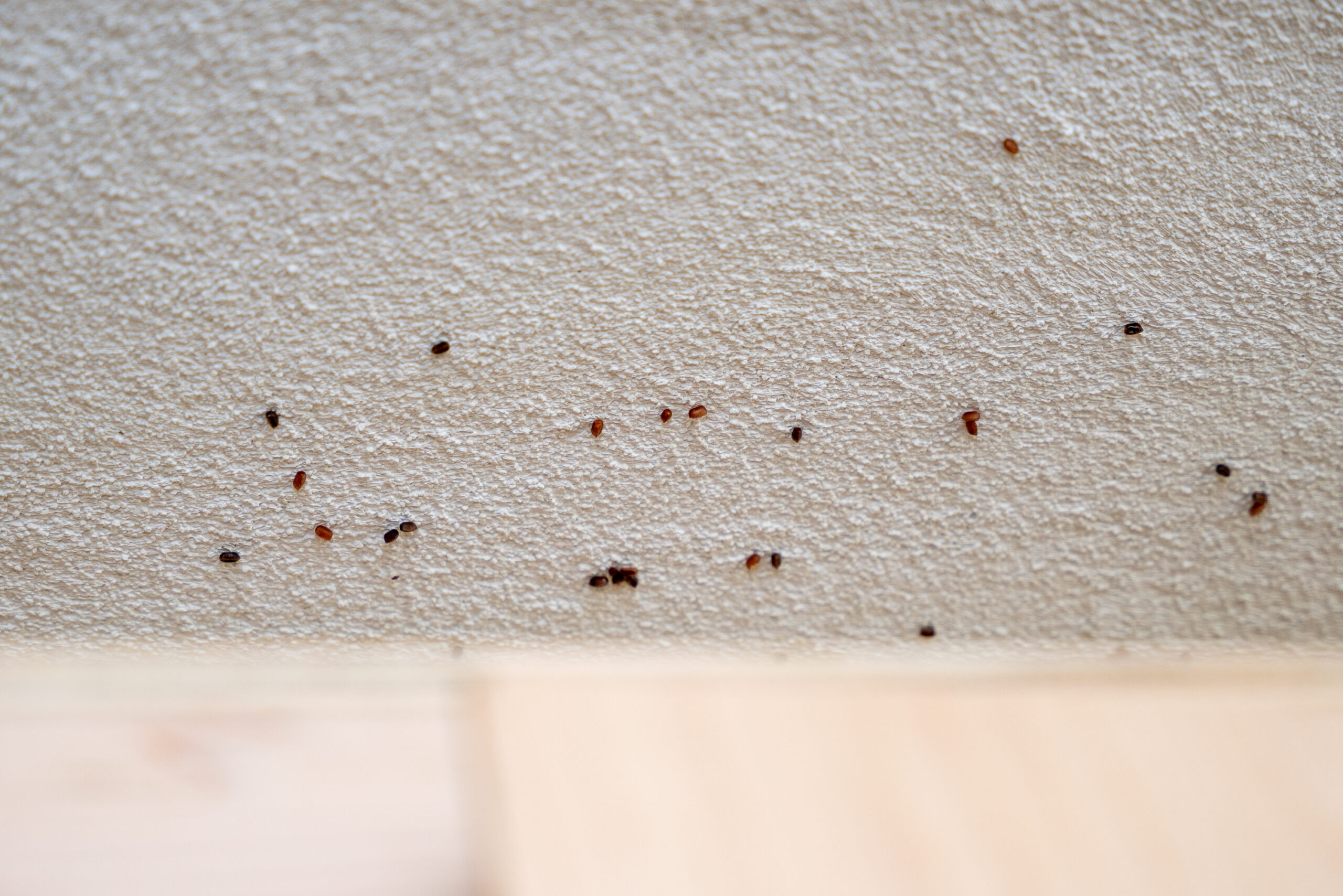
Nobody wants to share their living space with uninvited guests. Insects and rodents constantly search for ideal conditions to survive and multiply. When your house provides the right mix of resources, it becomes a prime target for an infestation.
Understanding exactly what draws these creatures indoors is the first step in effective pest control. You can drastically reduce the chances of an invasion by identifying and eliminating their preferred environments. Mice, cockroaches, and ants do not randomly choose a house. They follow specific environmental cues that signal a safe place to nest and feed.
This guide breaks down the main factors that make your property appealing to bugs and rodents. You will learn practical, straightforward methods to secure your home against unwanted intruders. By making a few targeted adjustments to your daily habits and home maintenance routine, you can keep pests outside where they belong.
The Primary Drivers of Pest Infestations
Pests are driven by basic survival instincts. They need a consistent supply of nutrients, hydration, and a secure place to breed. When these three elements are present, an infestation is highly likely.
Easily Accessible Food Sources
Leaving food out is the quickest way to invite pests inside. Crumbs on the kitchen counter, unsealed pantry items, and dirty dishes in the sink serve as an open buffet for ants, roaches, and mice. Pet food is another major attractant. Bowls left out overnight provide a reliable, nutrient-dense meal for foraging rodents and insects.
To stop this, store all pantry items in airtight glass or thick plastic containers. Wipe down your countertops daily and sweep the kitchen floor to remove microscopic crumbs. Take the trash out regularly, ensuring your indoor and outdoor garbage cans have tight-fitting lids. Finally, pick up pet food bowls as soon as your furry friends finish eating.
Excess Moisture and Standing Water
Water is just as critical to a pest's survival as food. Silverfish, cockroaches, and mosquitoes thrive in highly humid environments. Leaky pipes under the kitchen sink, dripping bathroom faucets, and poorly ventilated basements create the perfect microclimate for these insects. Outdoors, clogged gutters and stagnant birdbaths attract mosquitoes looking for breeding grounds.
Fix any plumbing leaks immediately to remove this major attractant. Use a dehumidifier in damp areas like basements, crawl spaces, and attics to keep moisture levels low. Ensure your bathroom has proper ventilation to allow steam to escape after a shower. Outside, clear your gutters of debris and empty any containers that collect rainwater.
Clutter and Undisturbed Hiding Spots
Pests need safe places to hide from predators and build their nests. Stacks of old newspapers, unused cardboard boxes in the garage, and piles of clothing create ideal shelters for mice and spiders. Cardboard is particularly attractive to certain insects like roaches and silverfish because they actually feed on the glue holding the boxes together.
Declutter your living spaces regularly. Replace cardboard storage boxes with heavy-duty plastic bins with secure lids. Keep firewood stored at least 20 feet away from the exterior of your house, as wood piles are notorious hiding spots for termites, ants, and rodents. Keep shrubs and tree branches trimmed back so they do not touch your roof or siding.
Common Entry Points for Household Pests
Even if your house is perfectly clean and dry, pests will still try to get inside if there are easy access points. Small gaps around windows, torn screens, and cracks in the foundation act as open doors for wildlife. A mouse can squeeze through a hole the size of a dime, while insects need only a fraction of an inch.
Inspect the perimeter of your house carefully. Seal any cracks in the foundation with silicone caulk or expanding foam. Install weather stripping around doors and windows to eliminate tiny gaps. Repair any damaged window screens before the warmer months arrive.
Frequently Asked Questions About Pest Prevention
What is the most common reason for pest infestations?
The most common cause of an indoor pest infestation is the availability of food and water. Leaving dirty dishes out, failing to seal pantry items, and ignoring leaky plumbing provide pests with the exact resources they need to thrive.
Do cardboard boxes attract bugs?
Yes. Cockroaches, silverfish, and termites are highly attracted to cardboard. They use it for shelter, and many insects consume the paper fibers and adhesives used in the manufacturing process.
Does keeping lights on deter mice?
Mice are nocturnal and prefer dark environments, so bright lights may temporarily discourage them from entering a specific room. However, lighting alone will not stop an infestation if food and shelter are readily available nearby.
Secure Your Home Against Future Infestations
Taking a proactive approach to home maintenance is the best defense against pests. By removing their food supply, drying up moisture sources, and sealing entry points, you make your property highly unappealing to rodents and insects.
Walk through your house this weekend and identify one area to improve. Start by organizing the pantry or checking the plumbing under your sinks. Small, consistent changes will protect your home and give you peace of mind all year round.