Boston homeowners know the unsettling feeling of discovering unwanted rodent visitors in their homes. Whether you live in a historic South End brownstone or a modern Quincy condo, rats pose serious health risks and property damage concerns that demand immediate attention. These persistent invaders don't simply disappear on their own—they multiply rapidly and establish extensive networks throughout your home's hidden spaces.
Understanding effective rat control requires more than setting a few traps and hoping for the best. Boston's unique urban environment, aging infrastructure, and harsh winters create specific challenges that generic approaches often fail to address. Successful rat elimination combines proven prevention strategies with professional expertise tailored to our local conditions.
This comprehensive guide provides Boston area homeowners with practical solutions for identifying, preventing, and eliminating rat infestations. You'll discover how to recognize early warning signs, implement effective exclusion methods, and understand when professional intervention becomes necessary to protect your family and property.
Understanding Boston's Rat Challenge
Boston's centuries-old infrastructure creates perfect conditions for rat populations to thrive. The city's dense urban core, combined with aging building foundations and extensive underground utility systems, provides countless entry points and travel routes for these adaptable creatures.
Several factors make Greater Boston particularly vulnerable to rat problems. Historic neighborhoods feature older buildings with foundation cracks, gaps around utility penetrations, and deteriorating mortar that rats exploit easily. The city's brutal winters drive outdoor rat populations indoors seeking warmth, while year-round food sources from restaurants, markets, and residential areas sustain large populations throughout all seasons.
Communities like Dorchester, South Boston, Roxbury, and East Boston face additional pressures from their mix of urban density and aging housing stock. Coastal moisture creates favorable breeding conditions, while the combination of residential and commercial areas gives rats diverse habitats to exploit year-round.
These local factors explain why one-size-fits-all approaches often fail in Boston. Effective rat control requires understanding local building types, seasonal movement patterns, and the specific behaviors of rat species common to our region.
Identifying Common Boston Rat Species
Successfully controlling rats begins with accurate identification. Boston area homes typically encounter two distinct species, each requiring different control strategies based on their unique behaviors and habitat preferences.
Norway Rats: The Basement Invaders
Norway rats, also called brown rats or sewer rats, represent the most common species found in Boston homes. These robust rodents measure 7-9 inches in body length with thick, heavy builds and tails shorter than their head and body combined. Their coarse fur ranges from grayish-brown to reddish-brown, and adults typically weigh between 7-18 ounces.
These rats prefer ground-level environments and excel at burrowing extensive tunnel systems. They commonly establish nests in basements, crawl spaces, and areas near building foundations. Norway rats are strong swimmers and often enter homes through sewer connections, floor drains, or foundation gaps—making them particularly problematic in Boston's older neighborhoods where aging infrastructure provides numerous access points.
Norway rats reproduce rapidly, producing 4-7 litters annually with each litter containing 8-12 offspring. This explosive reproduction rate means small problems quickly escalate into major infestations without prompt intervention.
Roof Rats: The Agile Climbers
Roof rats present entirely different challenges for homeowners. These sleeker rodents measure 6-8 inches with slender builds and tails longer than their head and body combined. Their fur typically appears dark brown to black, and they weigh considerably less than Norway rats at just 3-9 ounces.
True to their name, roof rats are exceptional climbers who prefer upper building areas. They commonly nest in attics, wall voids, and spaces near rooflines. These rats often enter Boston homes through tree branches touching buildings, utility lines, or gaps in upper-level structures like roof vents or damaged soffits.
While roof rats reproduce slightly less prolifically than Norway rats, they still produce 3-5 litters annually with 4-8 offspring each. Their climbing ability and preference for elevated nesting sites make them particularly challenging to detect and control without professional expertise.
Recognizing Early Warning Signs
Early detection can mean the difference between a minor rat issue and a costly, health-threatening infestation. Rats are primarily nocturnal and naturally avoid human contact, making signs of their presence more noticeable than the animals themselves.
Physical Evidence to Monitor
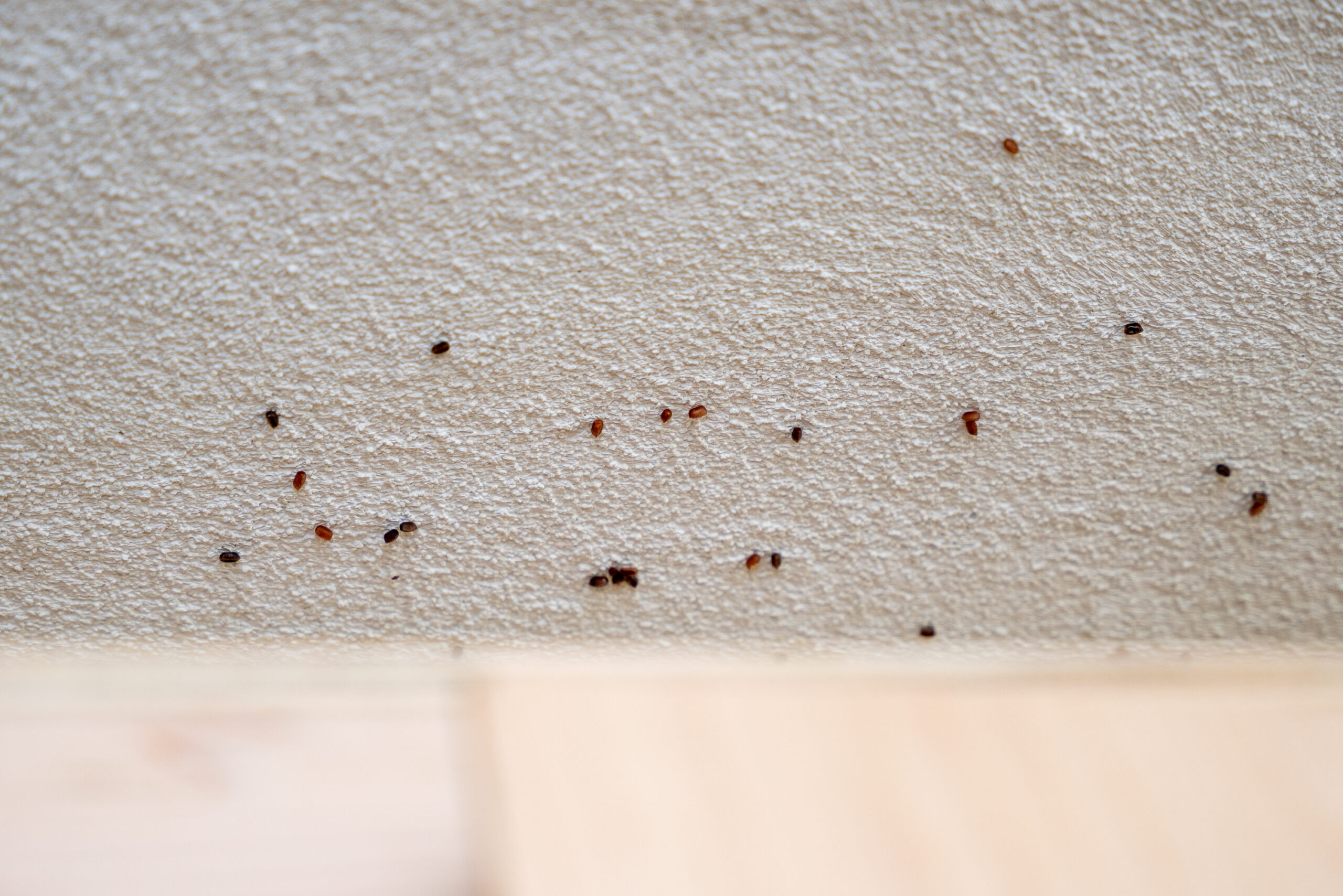
Droppings provide the most obvious indication of active rat populations. Fresh droppings appear as small, dark pellets roughly the size of rice grains. Norway rat droppings tend to be larger and more blunt-ended, while roof rat droppings are smaller and more pointed. Fresh droppings feel soft and appear dark, while older ones become hard and fade to gray.
Look for droppings along walls, near food sources, in cabinets, and in hidden areas where rats feel safe traveling. A single rat can produce 25-50 droppings daily, so finding multiple droppings indicates active, established populations requiring immediate attention.
Gnaw marks on food packaging, wooden structures, or electrical wiring signal ongoing rat activity. Rats' teeth grow continuously throughout their lives, forcing them to gnaw constantly to keep teeth manageable. Fresh gnaw marks appear lighter in color and show wood fibers or plastic shavings, while older marks darken with time.
Grease marks along walls or baseboards indicate regular rat travel routes. Rats have poor eyesight and rely on whiskers and body contact with surfaces for navigation, leaving dark, oily smudges from their fur along frequently used pathways.
Sounds and Odors That Signal Problems
Scratching, scurrying, or gnawing sounds in walls or ceilings, particularly during nighttime hours, often indicate active rat populations. These sounds may be intermittent and difficult to locate precisely, as rats travel through wall voids and other hidden structural spaces.
Strong, musky odors can indicate large rat populations or areas where rats have died within inaccessible spaces. This distinctive smell becomes more pronounced in enclosed areas and may persist even after rats are eliminated, requiring professional sanitization services.
Health Risks That Demand Action
Rats pose serious health threats that extend far beyond property damage concerns. These rodents carry numerous pathogens that can affect humans through various transmission methods, making prompt control essential for family safety and public health protection.
Disease Transmission Pathways
Direct transmission occurs through rat bites, though this remains relatively uncommon since rats typically avoid human contact. More frequent transmission happens through contact with rat urine, droppings, or saliva contaminating surfaces, food preparation areas, or water sources.
Indirect transmission through parasites presents significant concerns for Boston families. Fleas, ticks, and mites that feed on infected rats can subsequently bite humans, transferring diseases in the process. These parasites can survive in home environments even after rats are eliminated, creating ongoing health risks.
Airborne transmission poses particular dangers during cleanup activities. Rat droppings and urine can become airborne when disturbed during sweeping or vacuuming, allowing pathogens to be inhaled. This makes DIY cleanup attempts potentially dangerous without proper protective equipment and ventilation procedures.
Contamination Concerns
A single rat produces 25-50 droppings and up to one ounce of urine daily. This constant contamination spreads bacteria and viruses throughout affected areas, contaminating food preparation surfaces, stored food items, and eating areas where families gather.
Rats also introduce secondary pests like fleas and mites into homes, creating additional health and comfort concerns for residents while complicating overall pest management efforts.
Proven Prevention Strategies
Prevention remains the most cost-effective approach to rat control. By making your Boston home less attractive and accessible to rats, you can avoid infestations before they establish breeding populations.
Comprehensive Exclusion Methods
Conduct thorough exterior inspections, focusing on areas where utilities enter buildings. Rats can squeeze through openings as small as a quarter, making even tiny gaps potential entry points. Pay special attention to foundation cracks, gaps around pipes and vents, damaged weather stripping, and areas where different building materials meet.
Use steel wool combined with expanding foam or caulk for small openings, as rats cannot gnaw through steel materials. Larger gaps require hardware cloth, metal flashing, or concrete patches depending on the location and size of the opening.
Don't overlook less obvious entry points like gaps under doors, damaged window screens, or openings around air conditioning units. Roof rats particularly exploit upper-level access points, so inspect rooflines, chimney areas, and locations where tree branches approach your home's structure.
Food Source Elimination
Proper food storage plays a crucial role in rat prevention success. Store all dry goods in thick plastic or glass containers with tight-fitting lids. Rats easily gnaw through cardboard packaging, paper bags, and thin plastic containers to access food sources.
Maintain clean kitchen surfaces and sweep up crumbs regularly throughout the day. Don't leave pet food out overnight, and store it in sealed containers between feedings. Clean up spills immediately and wash dishes promptly rather than leaving them soaking in sinks where odors can attract rats.
Address outdoor food sources that draw rats to your property initially. Secure garbage can lids tightly and clean containers regularly to remove lingering odors. If you compost, use enclosed systems rather than open piles, and avoid composting meat, dairy, or oily foods that particularly attract rodents.
Habitat Modification
Eliminate shelter opportunities by maintaining your property properly throughout all seasons. Keep vegetation trimmed away from your home's exterior, as overgrown shrubs, ivy, and tree branches provide cover for rats and access routes to upper building levels.
Remove clutter from basements, garages, and storage areas where rats commonly establish nests. Stacks of boxes, unused furniture, and accumulated materials provide ideal nesting sites. Store necessary items in sealed plastic containers elevated off floors.
Address moisture problems promptly by fixing leaky pipes, improving ventilation in damp areas, and ensuring proper drainage around building foundations. Rats require consistent water sources, and eliminating them makes properties significantly less attractive to these persistent pests.
When Professional Help Becomes Necessary
While prevention strategies form the foundation of effective rat management, active infestations typically require professional intervention. Johnny B's Pest Control brings over 43 years of experience serving Boston area communities, with deep understanding of local rat behavior and proven control methods.
Several situations warrant immediate professional intervention rather than continued DIY attempts. If you're finding fresh droppings daily despite implementing prevention measures, the infestation has likely exceeded what DIY methods can handle effectively. This indicates established populations with multiple rats actively feeding and reproducing within your home's structure.
Multiple rats spotted during daylight hours suggest large populations, as rats typically remain hidden unless overcrowding forces them into open areas during feeding times. This scenario requires aggressive professional treatment to prevent continued population growth and territorial expansion.
Structural damage from gnawing, particularly to electrical systems, poses serious safety risks demanding immediate attention. Professional exterminators can assess damage extent and coordinate with other specialists if repairs are needed to restore home safety.
Previous DIY attempts that have failed also indicate need for professional expertise. Rats are intelligent animals that can become "trap shy" or "bait shy" when exposed to ineffective control methods, making subsequent elimination more challenging without professional knowledge and advanced techniques.
Professional Rat Control Services
Professional rat control begins with thorough inspections to identify entry points, assess infestation severity, and determine optimal treatment approaches. This expertise proves invaluable since rats often use hidden pathways and nesting sites that homeowners miss during casual inspections.
Experienced exterminators can safely place bait stations and traps in strategic locations while ensuring family and pet safety throughout the treatment process. They understand rat behavior patterns and can predict travel routes, making control efforts more efficient and effective than trial-and-error DIY approaches.
Professional services address complete infestation cycles, including removal of dead rats from inaccessible areas, sanitization of contaminated spaces, and implementation of exclusion measures to prevent re-infestation. This comprehensive approach ensures long-term success rather than temporary population reduction.
Advanced control methods utilized by professional services include specialized baiting systems, trap placement strategies, and monitoring techniques not available to consumers. These methods often prove more effective and safer than store-bought products, particularly for severe infestations or sensitive environments with children and pets.
Protecting Your Boston Home
Effective rat control requires combining prevention awareness with professional expertise when situations demand immediate intervention. Boston's unique urban environment creates ongoing challenges that benefit from local knowledge and proven solutions tailored to our region's specific conditions.
Don't wait for minor rat problems to escalate into major infestations. The longer rats remain established in homes, the more structural damage they cause and the greater health risks become for families. Professional pest control services can quickly assess situations and implement effective solutions designed for long-term success.
Johnny B's Pest Control has served Boston area communities for over four decades, building a solid reputation for reliable, effective rat control throughout South Boston, Dorchester, Roxbury, East Boston, Quincy, and surrounding areas. Their experienced team understands local rat behavior patterns and provides both immediate relief and comprehensive prevention strategies.
Contact Johnny B's Pest Control at (617) 921-9837 for professional assessment and take the first step toward a rat-free home. With decades of local experience and proven results, you can trust their expertise to protect your family and property from these persistent invaders.