It starts with a small itch. You brush it off, assuming it's a mosquito bite or maybe just dry skin. But then you wake up a few days later with a cluster of red welts on your arm. A sense of unease settles in as you wonder: Do I have bed bugs?
Bed bugs are the stuff of nightmares for homeowners and renters alike. These tiny, elusive pests are notorious hitchhikers, easily traveling on luggage, furniture, and clothing to set up shop in your bedroom. Once established, they are incredibly difficult to remove, often requiring professional intervention and significant expense.
The key to avoiding a full-blown infestation is early detection. If you can identify the signs of bed bugs before they have a chance to multiply, you save yourself money, stress, and sleepless nights. But spotting them isn't always easy. They are experts at hiding, tucking themselves into the tiniest crevices during the day and only emerging to feed at night.
In this guide, we will walk you through exactly what to look for, where to look, and how to tell the difference between a bed bug and other common household pests. By learning these early warning signs, you can take control of the situation before these unwanted guests settle in for good.
What Do Bed Bugs Actually Look Like?
Before you start tearing your room apart, you need to know what you are hunting for. Many people mistake bed bugs for fleas, ticks, or carpet beetles, but they have distinct characteristics.
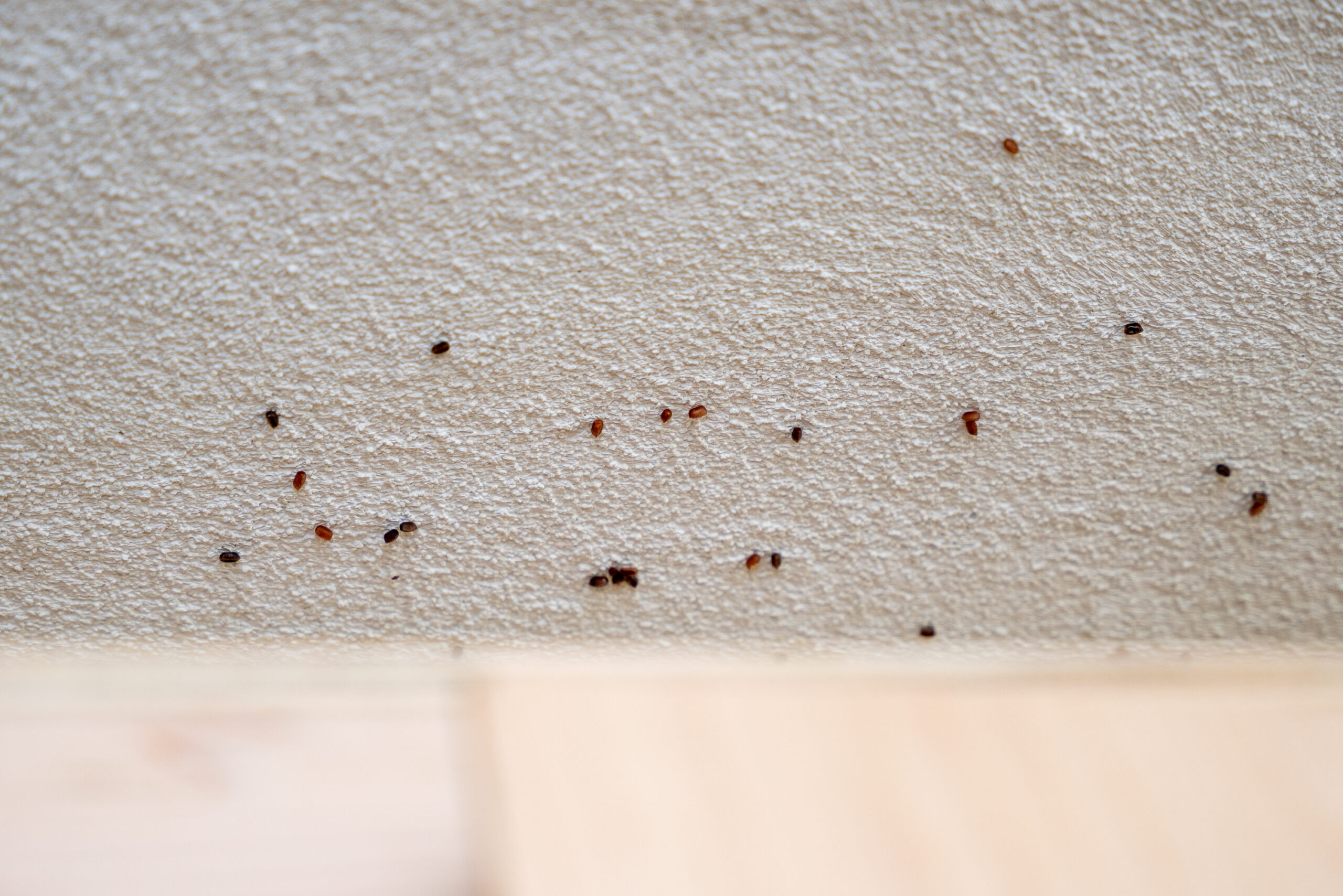
Adult bed bugs are roughly the size of an apple seed (about 5-7 mm long). They are flat, oval-shaped, and reddish-brown. After feeding, their bodies swell and become a brighter red. They don't have wings, so they cannot fly or jump; instead, they crawl relatively quickly over floors, walls, and ceilings.
Nymphs, or young bed bugs, are smaller and can be translucent or whitish-yellow. They are much harder to spot, especially on light-colored sheets. Bed bug eggs are tiny—about the size of a pinhead—and pearly white. You might find them clustered in hidden crevices.
The Early Warning Signs
You might not see a live bug right away. In fact, most people notice the evidence bed bugs leave behind long before they spot the insects themselves. Keep an eye out for these subtle indicators.
1. Unexplained Bites
The most common first sign is waking up with bites you didn't have when you went to sleep. Bed bug bites often appear in lines or clusters, sometimes referred to as a "breakfast, lunch, and dinner" pattern. They usually occur on exposed skin, such as the face, neck, arms, and hands.
However, relying solely on bites is tricky. Everyone reacts differently; some people develop itchy red welts, while others show no reaction at all. If you have bites but can't find bugs, don't dismiss the possibility, but look for other physical evidence to confirm your suspicions.
2. Blood Stains on Sheets
It’s unpleasant to think about, but bed bugs are messy eaters. If you roll over in your sleep and crush a bug that has just fed, it will leave a small smear of rusty or red blood on your bedsheets or pillowcases.
These stains are often small and easy to miss if you aren't looking for them. If you notice unexplained specks of blood on your bedding, inspect the area immediately.
3. Fecal Spots (Dark Specks)
Bed bug excrement looks like tiny black dots, similar to the size of a period at the end of a sentence. Because it is liquid, it tends to bleed into fabric like a marker tip would.
You will typically find these spots in areas where bed bugs congregate. Check the seams of your mattress, the edges of box springs, and the corners of your bed frame. If you find dark spots on hard surfaces, they may look like small bumps that can be wiped away.
4. Shed Skins (Exoskeletons)
As bed bugs grow, they molt and shed their skin. These discarded exoskeletons look like lighter, hollow versions of the bugs themselves. Finding these casings is a sure sign of a growing population.
Look for these pale, papery skins in mattress creases, behind headboards, and along baseboards. They accumulate in areas where the bugs are hiding and breeding.
5. A Musty Odor
If an infestation becomes severe, you may notice a distinct smell. Bed bugs release pheromones that smell sweet and musty, often compared to rotting raspberries, cilantro, or wet towels.
While a noticeable smell usually indicates a large number of bugs, sensitive noses might pick up on it sooner. If you walk into your bedroom and notice an unfamiliar, unpleasant scent that won't go away, it's time to investigate.
Where to Look: Conduct a Thorough Inspection
Bed bugs are thigmotactic, meaning they like tight spaces where they feel pressure on all sides of their bodies. They rarely hang out in the open. To find them, you need to think like a bug and check their favorite hiding spots.
The Bed and Bedding
Start at the scene of the crime. Strip the bed and inspect your sheets and pillowcases for stains. Next, examine the mattress thoroughly. Pay close attention to the piping, seams, and tufts. Flip the mattress over and check the underside.
Do not skip the box spring. This is a prime hiding spot because of its hollow underside and many crevices. Remove the dust cover (the thin fabric on the bottom) if possible to inspect the wood frame inside.
The Headboard and Frame
Bed bugs love wood and fabric. Inspect the cracks and joints of your bed frame. If you have a headboard, pull it away from the wall. Shine a flashlight into any gaps, screw holes, or spaces where the headboard connects to the frame. If the headboard is upholstered, check the seams and folds of the fabric.
Surrounding Furniture
Bed bugs don't just stay in the bed; they will travel several feet to find a hiding spot. Check nightstands, dressers, and chairs near the bed. Pull out drawers and look at the tracks and the back of the cabinet.
They can also hide behind picture frames, in electrical outlets, under loose wallpaper, and even in the folds of curtains. If a crack is wide enough to slide a credit card into, it's wide enough for a bed bug to hide.
What to Do If You Find Evidence
Panic is a natural reaction, but it won't solve the problem. If you confirm signs of bed bugs, immediate action is crucial.
- Contain the Area: Don't start moving furniture or sleeping in a different room. This often spreads the infestation to other parts of the house.
- Clean and Heat: Wash all bedding, clothing, and curtains in hot water and dry them on the highest heat setting for at least 30 minutes. Heat is one of the most effective ways to kill bed bugs at all life stages.
- Vacuum Everything: Vacuum your mattress, bed frame, furniture, and floors thoroughly. Afterward, immediately seal the vacuum bag in a plastic bag and dispose of it in an outside trash can.
- Call a Professional: While DIY treatments exist, bed bugs are notoriously resistant to many common pesticides. A pest control professional has access to specialized equipment and treatments that are far more effective at eliminating the entire colony.
Don't Let the Bed Bugs Bite
The thought of bed bugs is enough to make anyone's skin crawl, but knowledge is your best defense. By staying vigilant and checking for these early signs—bites, rust-colored stains, dark specks, and shed skins—you can catch an infestation before it spirals out of control.
Regular inspections, especially after traveling or buying used furniture, are smart habits to develop. Remember, finding a bed bug isn't a reflection of cleanliness; they are equal-opportunity pests. The faster you spot them, the faster you can reclaim your home and your peace of mind.