The earliest signs of a termite infestation include pencil-sized mud tubes on exterior walls, discarded wings near windowsills, wood that sounds hollow when tapped, unexplained frass (termite droppings), and bubbling paint. Catching these five indicators quickly can prevent extensive structural damage and expensive home repairs.
Termites are often called silent destroyers for a good reason. These tiny pests can chew through solid wood, flooring, and even wallpaper undetected for months or even years. By the time the structural damage becomes obvious, the property owner is usually facing a massive repair bill. According to the Environmental Protection Agency (EPA), termites cause billions of dollars in structural damage each year, and most standard homeowners insurance policies do not cover this destruction.
Because termites operate out of sight, relying on obvious structural failures to detect them is a dangerous strategy. Homeowners need to act proactively by looking for the subtle clues left behind during the early stages of an infestation.
Understanding these preliminary indicators allows you to contact a pest control professional before the colony multiplies. The key to protecting your property investment is knowing exactly what to look for during your routine home maintenance checks.
What are the early signs of a termite infestation in your home?
You do not need a degree in entomology to spot a developing termite problem. You simply need to know where these insects hide and the physical evidence they leave behind as they consume your home.
1. Why are there pencil-sized mud tubes on your foundation?
Subterranean termites require specific moisture levels to survive. To travel safely between their underground colonies and your home's wooden food source, these insects construct narrow tunnels out of soil, wood, and saliva.
These mud tubes typically measure about the width of a standard pencil. You will often find them climbing up concrete foundations, creeping along exposed floor joists, or hiding out behind your porch steps. If you break a mud tube open and see small, creamy-white insects scurrying inside, you have an active subterranean termite infestation that requires immediate professional treatment.
2. What do discarded insect wings near your windows mean?
When a termite colony matures, it produces winged reproductive insects known as swarmers. These swarmers fly out of their original nest to find a mate and establish a new colony nearby. After taking flight, swarmers intentionally shed their wings because they no longer need them.
Finding small piles of identical, translucent wings on your windowsills, floors, or caught in spider webs is a major red flag. Because swarmers are attracted to light, their discarded wings are most frequently found near entry doors and glass windows. Identifying these wings early often indicates that an established termite colony is located very close to, or inside, your property.
3. Why does your solid wood sound hollow when tapped?
Termites typically consume wood from the inside out, leaving the exterior surface completely intact. This feeding behavior makes visual inspections difficult, but auditory checks highly effective.
As termites hollow out the timber, the structural integrity of the wood diminishes. If you tap on your baseboards, door frames, or structural beams with the handle of a heavy screwdriver, pay attention to the noise. Solid wood produces a dull, dense thud. Wood heavily damaged by termites will produce a hollow, papery sound. If you discover hollow-sounding wood, a pest control professional can use specialized equipment to determine if active termites are still inside.
4. What are those small piles of pellets resembling sawdust?
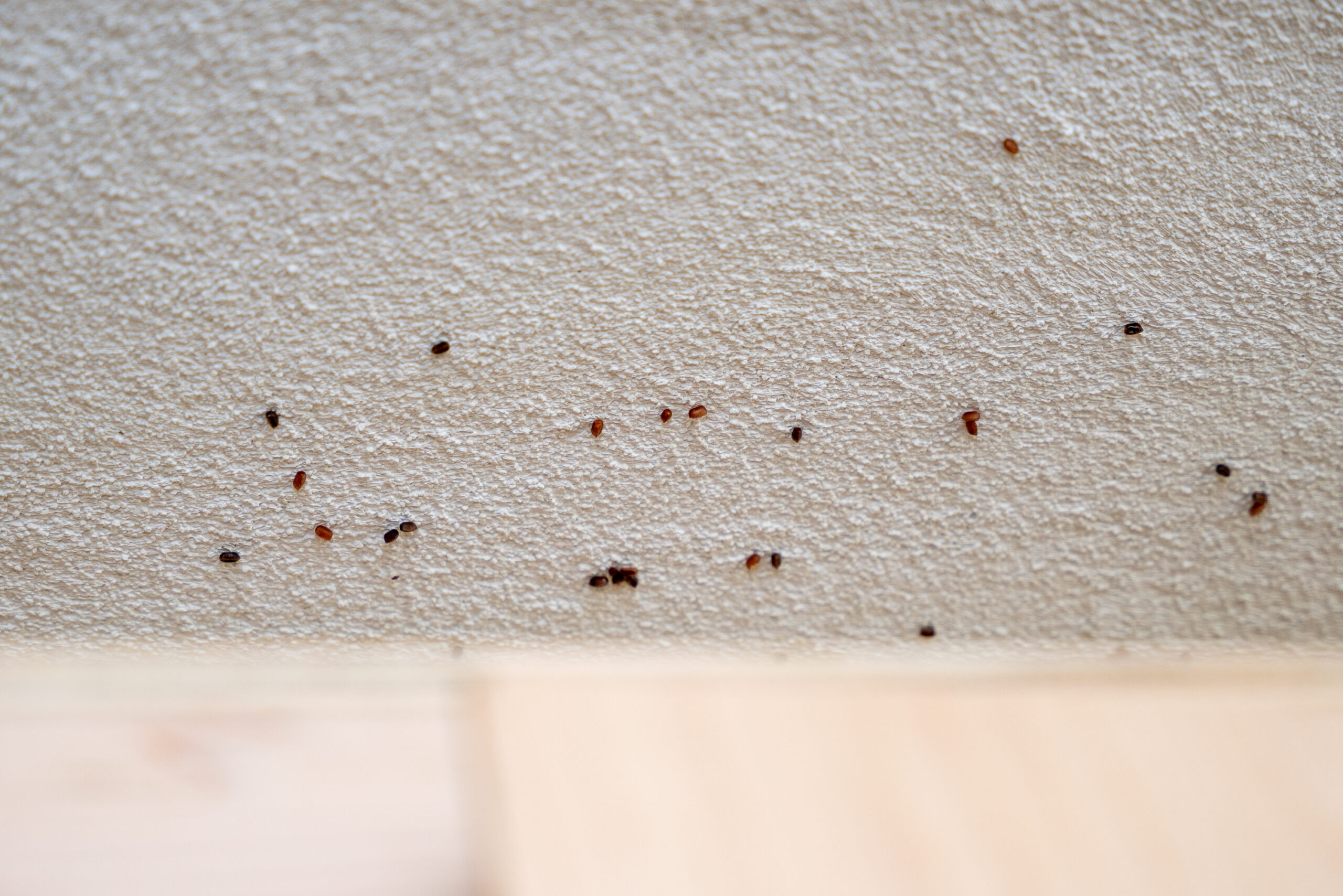
Drywood termites behave differently than their subterranean cousins. Instead of building mud tubes, drywood termites live entirely inside the wood they consume. As they eat, they produce wood-colored droppings known as frass.
To keep their internal tunnels clean, drywood termites kick this frass out of tiny exit holes. The resulting piles often look like coarse sawdust or unground coffee beans. If you sweep up a pile of this mysterious dust and it reappears in the exact same spot a few days later, you are likely dealing with an active drywood termite infestation.
5. Why is your home's paint peeling or bubbling unexpectedly?
Many homeowners mistake bubbling paint for a simple water leak or poor paint application. However, termites produce moisture as they eat and travel through wooden structures. This excess moisture builds up behind your painted walls.
When termites tunnel directly behind the surface of drywall or painted baseboards, the moisture causes the paint to bubble, peel, or blister. If you discover bubbling paint accompanied by tiny pinholes in the drywall, this is a strong indicator of termite activity rather than a standard plumbing issue.
How to protect your home from future termite damage
Spotting the signs of termites early gives you a significant advantage, but professional intervention is always the safest route. Termite colonies can house hundreds of thousands of insects, and over-the-counter pest control sprays rarely reach the root of the infestation.
If you notice mud tubes, discarded wings, hollow wood, frass, or bubbling paint, contact a licensed pest control professional immediately. They can assess the extent of the termite damage and implement targeted treatments to eradicate the colony. Going forward, scheduling annual termite inspections and reducing moisture accumulation around your foundation will serve as your best defense against these relentless pests.
Frequently Asked Questions About Termite Infestations
How much does termite damage repair typically cost?
The cost to repair termite damage varies widely depending on the extent of the destruction. Minor cosmetic repairs may cost a few hundred dollars, but extensive structural damage involving foundation beams can quickly escalate into thousands of dollars. Early detection is the most reliable way to keep repair costs manageable.
How quickly can termites destroy a wooden house?
Termites eat 24 hours a day, seven days a week. While a single termite consumes wood very slowly, a mature colony containing roughly 60,000 workers can eat through a foot of a 2x4 wooden beam in about five to six months. Significant structural damage typically takes several years to occur.
Should you try DIY termite treatments or hire a professional exterminator?
Choose a licensed pest control professional if you want guaranteed eradication. DIY termite treatments like liquid repellents or bait stations often fail because homeowners cannot accurately locate the colony's central nest. Professionals have the specialized equipment and commercial-grade termiticides necessary to eliminate the entire colony safely.