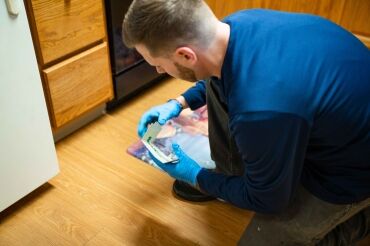
Ant-infestation is a universal problem that can be found in almost every household. You can see ants marching in the kitchen counters or roaming freely in dining areas to feast on scraps. However, some ant species make their way into the bathroom and, an ant infestation in the bathroom is a common problem for many homeowners.
But why do ants love the bathroom and, aren’t ants fond of sugar?
What type of ants invades our bathrooms?
If your mind is filled with all these questions, then you are on the right page.
Keep scrolling!
Why Ants Invade our Bathroom?
With over 1000 ant species in the U.S alone, some ant species may sneak into your home through gaps or cervices as they get attracted to an open-source of water and food. Ants always look for some kind of food source and are often attracted to many scents. When it comes to invading the bathroom, few ant species are attracted to the scents, and chemical odors that come from the plumbing drains of your home. Moreover, if the drain has not been used, the water will become stagnant and may have fermented human hair in it, attracting ants and other pests. Apart from this, damp environments, moisture, and water also invite ants into your bathroom.
What encourages ants into your bathroom?
- Roof and Ceiling Leaks.
- Plumbing leaks.
- Moist basements.
- Drainage issue in foundation or crawl space.
- Moisture issues.
- Water-pooling and rotting material from any of the above.
What types of ants are in the bathroom?
Let’s explore the top 4 ant species that you may find in your bathroom.
- The Moisture Ant: A collective term used for ant species that seek shelter in moist areas and need plenty of water for survival. If you see moisture ants, it is an indication that your foundation or wooden floors may have moisture damage.
- Carpenter Ants: Carpenter ants love to nest inside the walls and tiles of your bathroom as the dampness here provides a hospitable environment for nesting and shelter, giving easy access to other parts of your home to find a food source.
- Odorous Ants: They are attracted to moisture and, so you may find near moisture sources such as beneath leaky fixtures, in heaters, inside wood damaged by termites, and in-wall voids near hot water pipes.
- Argentine Ants:Last but not least are the rather large argentine ants that prefer sugar-based diets but loves to nest in damp and wet areas. Hence, you can spot their colonies in wet environments, close to a food source, such as potted plants, water pipes, and sinks.
Tips to keep them away
- Fix all the moisture issues like roof leaks, water drainage issues, and leaking faucets.
- Replace any wood that is termite-damaged or water-damaged.
- Clean your drain regularly.
- Provide good ventilation.
- Seal all gaps, cracks, and crevices, along with the holes through which utility pipes and wires enter your home.
- Check all the window and door frames and repair if needed.
Wrapping Up
Prevention is the first line of defense, but if you’re already in the middle of your battle against ant infestation, seek the immediate help of pest control professionals to get rid of all the ants and reclaim your bathroom and home.