Ants are voracious little creatures, and it would almost seem that they will eat everything. However, ants do have their own diet, and different species will prefer different types of foods over others. Let’s take a look at the diet of these insects and what types of food draw them indoors.
Sugars
Many ant species have sugar as a main staple of their diet. In the wild, they will get their sugars from aphids, which they milk for honeydew, or from flower nectar. They may also eat fruits, especially if they have fallen on the ground and are overripe. Indoors, their options are far more varied. They have jam, candies, sugar, soda spills and anything else that has a high sugar content.
Plants, grains and seeds
Some ant species are completely vegan, or they use vegetables to generate other food sources. Leaves, grains, seeds and various other plants are all edible to certain species. Then you have species like the leaf-cutter ant, which cut off sections of leaves, grass or flowers, and then take them to the nest, where they let them decay. This decayed plant matter will act as fertilizer and will be used to grow fungus, which will be fed to the larvae of the colony.
Protein
Ant species such as the carpenter ant will also integrate protein in their diets. They can get this protein from meat, insects or even other ants. For example, fire ants will look for and eat dead animals such as rodents and birds. Cannibalistic ant species build colonies that are ready for war, and they will attack other ant colonies and eat every ant that they can catch. Some ant species will also wage war on termites. In fact, ants are the most dangerous predator targeting termites.
Why knowing what ants eat is important
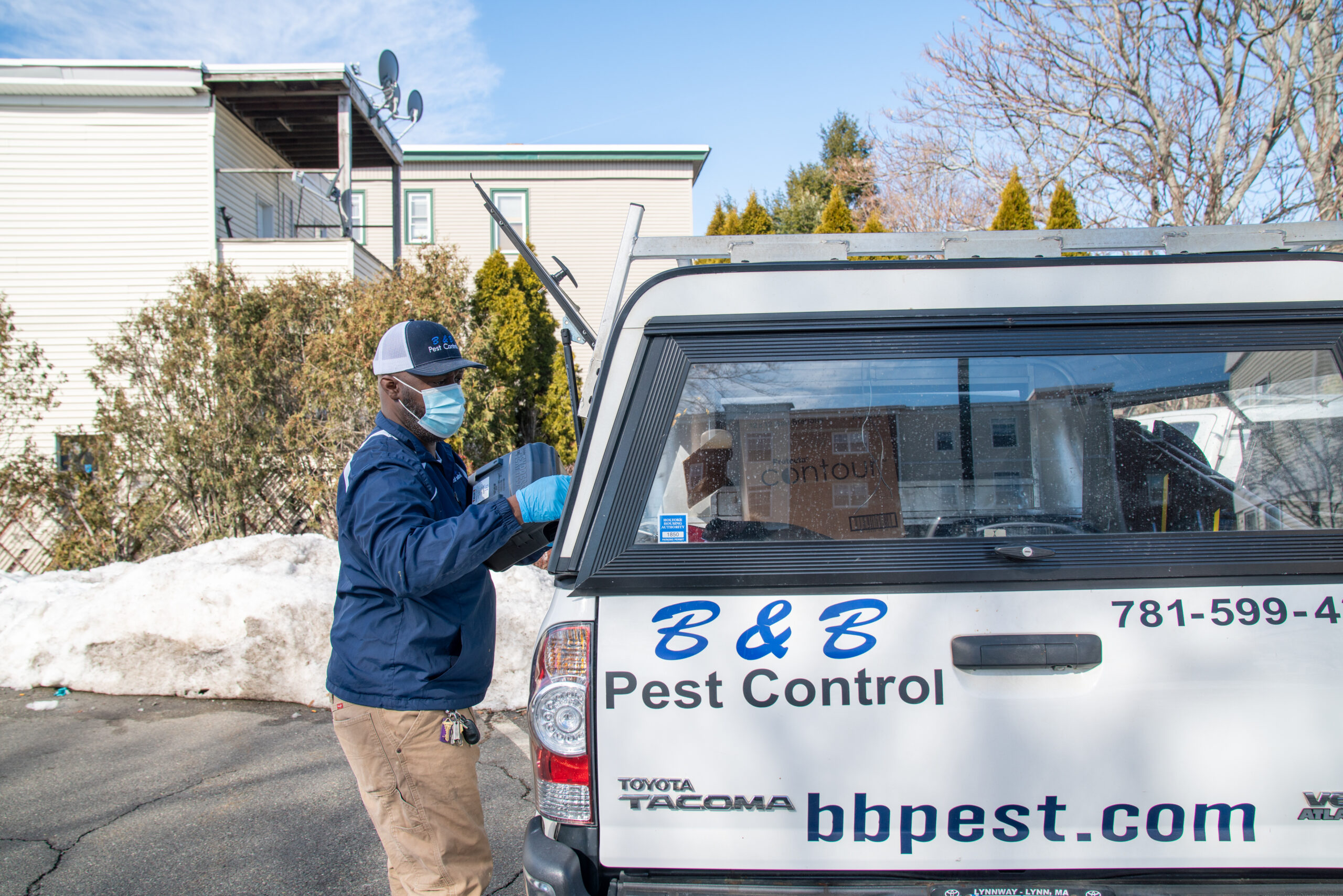
Pest control professionals use this understanding of ant diets when planning out a control procedure. Getting rid of carpenter ants for example requires baiting, and in order to bait successfully, you have to present the ants with something they find to be very delicious (sugars/protein in the case of carpenter ants).
If you would like to know more about ants and their behaviors, or if you have an ant infestation in your home that has to be removed, give us a call and we will answer your questions or set up an appointment for an inspection procedure.