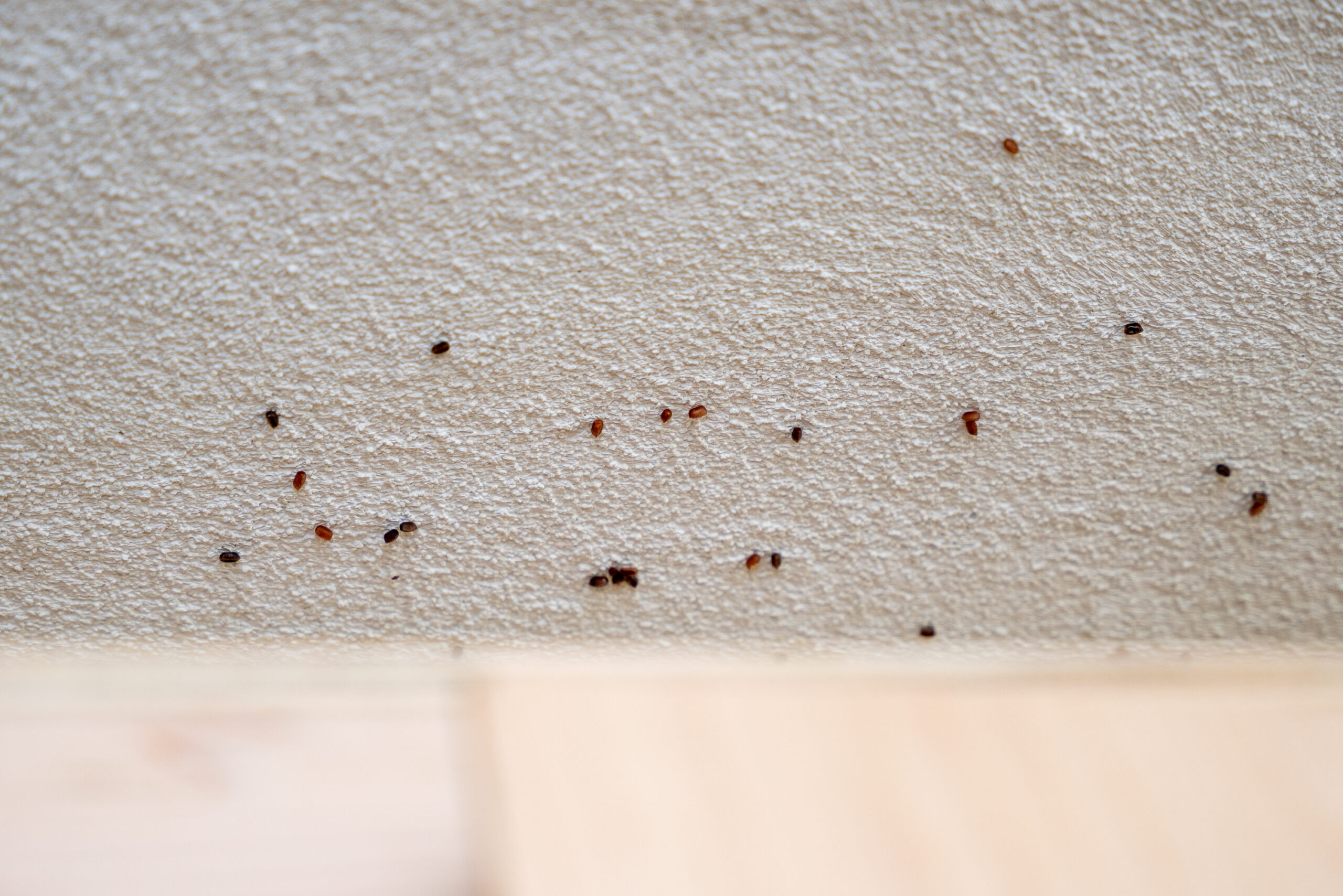
Flies don't appear randomly. House flies, fruit flies, and drain flies are drawn to specific breeding conditions — rotting organic matter, fermenting liquids, standing moisture, and decaying food residue. Eliminating flies permanently means identifying and removing those conditions, not just swatting the flies themselves. Persistent or large-scale infestations typically require professional pest control.
A few flies hovering near the trash can feel like a minor inconvenience — until they're back again the next morning, and the morning after that. The frustrating reality is that most recurring fly problems aren't bad luck. They're a signal. Something in your home or business is actively attracting, feeding, or breeding flies, and until that something is addressed, the flies will keep coming back.
This post is a practical guide for homeowners and food-service business owners who want to move past temporary fixes and actually solve the problem. You'll learn which fly species are most likely showing up in your space, what's drawing them in, the real health risks they carry when they land on food surfaces, and the specific steps that eliminate the source — not just the symptom.
Why Flies Keep Showing Up — Even When You Keep Things Clean
What flies are actually responding to
Flies aren't just wandering inside. They're following cues — odor, moisture, warmth, and the presence of organic material in various stages of decay. What looks like a clean kitchen to a person can still offer plenty of attraction to a fly: a thin film of grease behind the stove, a slow drain with accumulated organic buildup, a recycling bin that hasn't been rinsed, or a piece of overripe fruit sitting on the counter.
House flies are drawn to garbage, animal waste, and decaying matter. Fruit flies zero in on fermenting sugars — overripe produce, spilled juice, and the residue that builds up inside drains over time. Drain flies breed almost entirely within the gelatinous organic layer that coats the inside of pipes and floor drains. Each species is responding to a specific set of conditions, which is why treating one fly type may have no effect on another.
Why surface-level fixes don't last
Fly strips, plug-in traps, and DIY sprays address what's already flying around. They don't touch what's producing more flies beneath the surface. A fruit fly trap placed near a sink will catch adult flies — but if the drain underneath contains a thriving breeding colony, you'll be emptying that trap indefinitely.
The same logic applies to aerosol sprays. They're effective for immediate knockdown, but they offer no residual protection and do nothing to change the environmental conditions that attracted flies in the first place. Lasting control requires identifying and eliminating the source.
The Three Most Common Indoor Flies — And Where They Breed
House flies: garbage, waste, and outdoor access points
The common house fly (Musca domestica) breeds in decaying organic matter — animal waste, rotting food, and garbage. Outdoors, a trash bin left uncovered or a compost pile positioned close to the building can serve as a production site that funnels flies indoors through open windows, gaps in door seals, or improperly screened vents.
Inside, house flies are attracted to food preparation surfaces, pet bowls, and any exposed waste. A single female house fly can lay up to 500 eggs over her lifetime, with larvae hatching in as little as 12 to 24 hours under warm conditions. This rapid development cycle is why what starts as a minor nuisance can escalate quickly during summer months.
Fruit flies: drains, fermenting produce, and damp surfaces
Fruit flies (Drosophila melanogaster) are the small, slow-moving flies most commonly found hovering around produce bowls, wine bottles, or recycling bins. They're drawn to fermenting sugars, which makes overripe fruit an obvious target — but the less obvious breeding sites are where persistent infestations really take hold.
Drains are among the most overlooked fruit fly breeding grounds. The thin layer of organic film that coats the interior of sink and floor drains provides both food and moisture for fruit fly larvae. Damp mop heads, dish rags left bunched up, and residue beneath appliances can all serve the same purpose. Removing the visible fruit from the counter won't solve a drain-based infestation.
Drain flies: organic buildup inside pipes and floor drains
Drain flies (Psychoda spp.) are small, moth-like insects that breed almost exclusively inside drains and pipes with accumulated organic matter. They're frequently found in bathrooms, laundry areas, and commercial kitchen floor drains — anywhere that slow drainage allows a biofilm to develop on pipe walls.
Drain flies are weak fliers and tend to rest on walls near their breeding site rather than ranging across a building. Their presence near a specific drain is a reliable indicator of where the infestation is concentrated. Unlike fruit flies, they're not attracted to food on the counter — their entire life cycle is tied to the interior of the drain itself.
Why Flies Are a Real Sanitation Concern
What flies pick up and transfer to food surfaces
Flies don't bite, but the sanitation risk they carry is well-documented. According to research published in peer-reviewed entomology literature, a single house fly can harbor more than 100 pathogens on its body and legs, including Escherichia coli (E. coli), Salmonella, and Staphylococcus. These are picked up when flies land on garbage, animal waste, and decaying matter — and then deposited onto whatever surface the fly lands on next, including food, utensils, and prep surfaces.
Flies feed by regurgitating digestive enzymes onto food and then ingesting the liquefied result. Every feeding event is a potential transfer of whatever the fly has previously contacted. This isn't alarmist — it's the biological reality of what flies do, and it explains why their presence in food-handling environments carries genuine risk.
Why fly activity matters more in kitchens and food-handling areas
For homeowners, flies landing on food are an unpleasant hygiene concern. For food-service businesses, the stakes are higher. Commercial kitchens are subject to health code inspections that specifically assess pest activity. Evidence of flies in a food prep area — including fly specks, visible insects, or confirmed breeding sites — can result in failed inspections, operational shutdowns, or regulatory fines.
Beyond compliance, a fly problem visible to customers or staff erodes trust in ways that are hard to recover from. The earlier a fly issue is addressed in a commercial environment, the less disruptive the resolution.
How to Eliminate the Source — Not Just the Fly
Drain maintenance and deep cleaning
For fruit fly and drain fly infestations, drain maintenance is the highest-priority step. Pouring boiling water down a drain provides minimal impact — it passes through too quickly to break down the biofilm coating the pipe walls.
Enzyme-based drain cleaners are more effective because they digest the organic matter that larvae depend on for survival. For best results, apply the cleaner at night when the drain won't be used for several hours, allowing the product to dwell and work through the buildup. In commercial settings, floor drains should be cleaned on a scheduled basis rather than reactively, as buildup accumulates quickly in high-volume kitchens.
Trash and waste management steps
House fly activity is often traced to outdoor or indoor trash that isn't adequately managed. Practical steps include:
- Use trash cans with tight-fitting lids indoors and outdoors
- Empty indoor bins before organic waste has the opportunity to begin decomposing
- Rinse food containers before placing them in recycling bins
- Position outdoor bins away from entry points — doors, windows, and ventilation openings
- Clean the interior of bins periodically with a disinfectant solution to remove residue
Compost bins require the same discipline. If you're composting indoors, use a sealed container and transfer waste to an outdoor pile frequently.
Moisture control under sinks and around appliances
Standing moisture is a common and underestimated fly attractant. Check for slow leaks under sinks, condensation buildup around refrigerators and dishwashers, and moisture accumulation beneath stoves. A damp environment combined with any organic residue — even a thin film of grease or food debris — can support fly development.
Fix plumbing leaks promptly, ensure cabinet interiors under sinks are kept dry, and avoid leaving wet cloths or mop heads sitting in enclosed spaces. In commercial kitchens, squeegee floors after cleaning and ensure drains are flowing freely rather than pooling.
Food storage habits that help
Storing ripe or cut fruit in the refrigerator removes one of the primary attractants for fruit flies. Produce that needs to stay at room temperature should be monitored closely and discarded at the first sign of overripeness — particularly stone fruits, bananas, and tomatoes, which ferment quickly in warm conditions.
Keep all food covered when not in active use. Even brief exposure during meal preparation can attract flies that are already present indoors. Wipe down counters and cooking surfaces after use to eliminate residue that provides a secondary food source.
When to Call a Pest Control Professional
Signs the infestation is beyond DIY range
Some fly problems respond well to the steps above. Others don't — and recognizing when professional intervention is warranted saves time, reduces sanitation risk, and usually costs less in the long run than months of ineffective self-treatment.
Consider professional pest control when:
- Fly activity persists more than two weeks after thorough source elimination
- You cannot identify the breeding site despite inspection
- Large numbers of flies are appearing daily, suggesting an active, established breeding colony
- The infestation is concentrated in an area that's difficult to access, such as wall cavities, sub-floor drains, or crawl spaces
A licensed pest control technician will conduct a systematic inspection to identify breeding sites that aren't visible during a surface-level check, then apply targeted treatments that address the source directly.
Why commercial kitchens need professional treatment
Food-service businesses operate under regulatory frameworks that don't allow for extended trial-and-error pest management. A fly infestation in a commercial kitchen is a health code issue from the moment it's identified — and the treatment approach needs to reflect that urgency.
Professional pest control in commercial environments includes not only treatment but documentation, which matters during health inspections. Ongoing pest management contracts provide scheduled monitoring, early detection, and treatment before problems reach a visible or reportable level. For food-service operators, professional pest management is a standard operating cost, not an optional extra.
Stop Chasing Flies — Address What's Bringing Them In
Flies are predictable. They show up where the conditions support them, and they continue showing up until those conditions change. The practical implication is that most fly problems are solvable — but only if the response targets the source rather than the adult insects already in the room.
Start by identifying which fly species you're dealing with. Work backwards from that identification to find the likely breeding site. Address moisture, organic waste, and drain buildup systematically. If the problem persists after two weeks of targeted effort, bring in a professional who can inspect what you can't easily see and apply treatment that lasts.
Flies keep coming back no matter what you try? [Your Company] identifies the source and treats it directly — for homes and businesses. Schedule an inspection today.
Frequently Asked Questions About Indoor Fly Infestations
Where do fruit flies come from if I don't have fruit on the counter?
Fruit flies breed in fermenting organic matter, not just fruit. Common hidden breeding sites include sink drains with accumulated biofilm, damp mop heads or cleaning cloths, spilled liquids beneath appliances, and residue inside recycling bins. If fruit flies persist after removing visible produce, inspect drains first.
How long does it take to get rid of a fly infestation?
Timelines vary depending on the fly species and how quickly the breeding source is eliminated. Fruit fly populations can be significantly reduced within one to two weeks once the breeding site is cleaned or treated. House fly infestations tied to outdoor waste sources may resolve faster once the attractant is removed. Drain fly infestations tied to pipe buildup may require repeated enzyme treatments over several weeks.
What causes drain flies specifically, and are they harmful?
Drain flies (Psychoda spp.) are caused by the accumulation of organic biofilm inside pipes and floor drains. They breed almost exclusively within that material. Drain flies are not known to bite or directly transmit disease to humans, but their presence indicates poor drain hygiene and can contribute to general sanitation concerns in food-handling environments.
Are flies more common in summer, and why?
Yes. Fly activity increases significantly in warmer months because heat accelerates breeding cycles. House fly larvae can develop from egg to adult in as few as 10 days at temperatures above 86°F (30°C). Warmer temperatures also accelerate food and organic waste decomposition, which increases the availability of breeding material. Infestations that seem minor in spring can escalate quickly through summer without intervention.
When is a fly problem serious enough to require professional pest control?
Fly activity that persists beyond two weeks after thorough source removal, infestations with no identifiable breeding site, large daily fly counts, or any fly activity in a regulated food-service environment all warrant professional assessment. Commercial kitchens in particular should engage licensed pest control rather than attempting self-treatment, given the health code and liability implications.
Can flies breed inside walls or hidden spaces?
Yes. House flies and blow flies can breed in wall cavities, crawl spaces, or areas with concealed organic material — including deceased rodents or birds. If a fly infestation appears suddenly and is concentrated in one area without an obvious source, a hidden breeding site inside a structural space is a possibility that a pest control professional is best equipped to identify and treat.