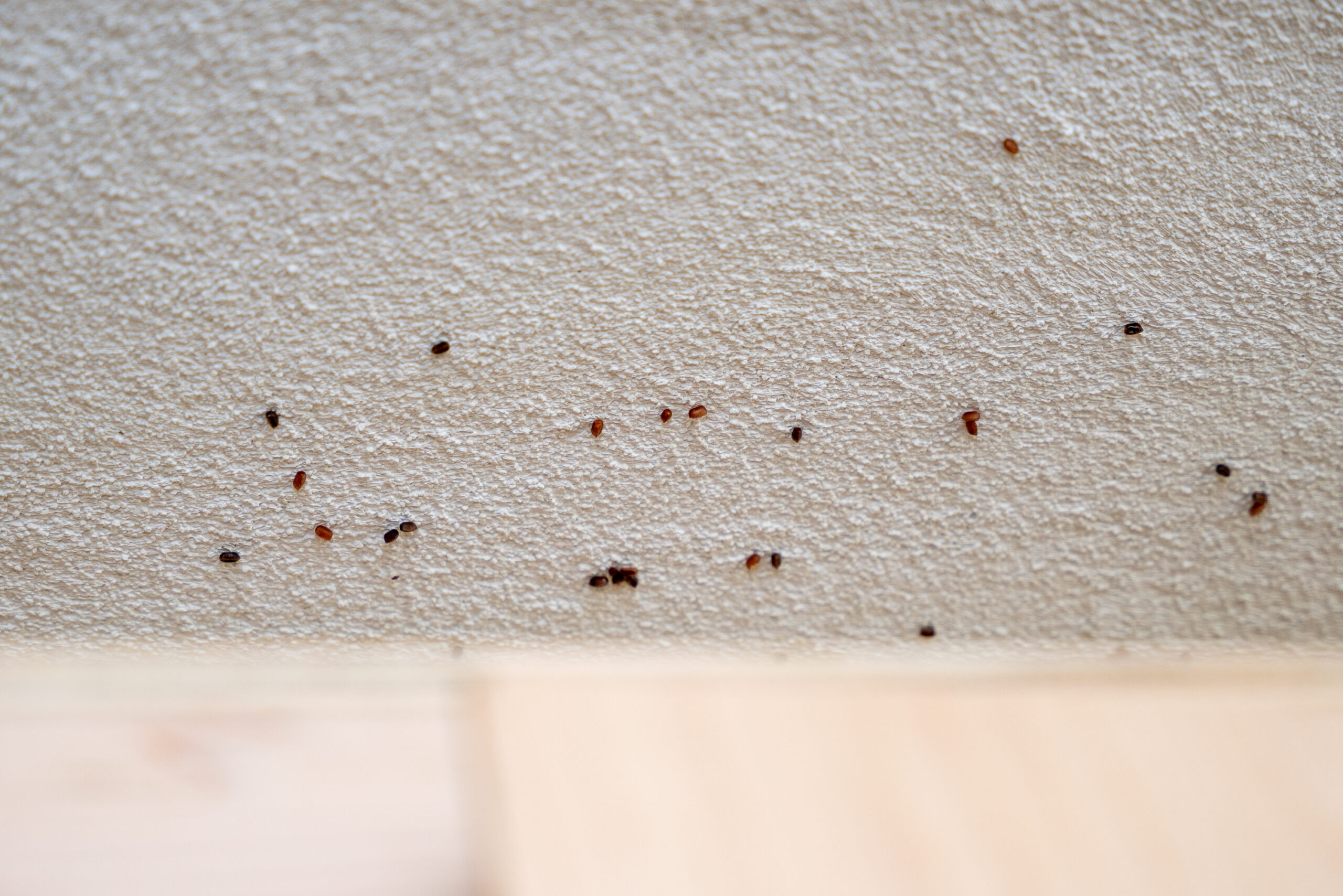
Figuring out the silverfish is frustrating. Why? Because they are nocturnal creatures and tend to crawl at night. They would prefer to get back to their hiding places when the light turns on.
Let’s have a look at some of the natural methods to remove silverfish infestation.
Boric acid:
Boric acid is the most famous natural method to remove these bugs from the house. It is the natural poisonous mineral available in the market. Sprinkle some of this acid where you find the silverfish infestation. Once these bugs eat the boric acid, they will eventually die.
Make sure to take precautions if you have kids and pets inside the house. Make the diluted concoction of the boric acid and spray it on the infested areas.
Diatomaceous Earth:
Diatomaceous earth mainly kills the silverfish by making them feel thirsty. They will die due to dehydration. The technique is helpful to kill all types of insects and pests. The fossilized material used to make the substance is the remains of one class of algae known as diatoms. It is one of the safe methods because it does not harm any humans and pets.
Cedar shavings:
Cedar shavings used as an insecticide have a beautiful fragrance. However, silverfish get repelled by their smell which is a win-win situation for you.
Place the cedar shaving near the infested areas. Do not mind cleaning the mess caused by the cedar shavings. You can vacuum the cedar shavings and replace them regularly.
You may mix cedar oil with water and spray on the infested areas if you don’t like the mess caused by shavings.
Cinnamon:
Cinnamon is known for its pleasing fragrance. However, the same fragrance irritates the silverfish and helps to deter away. You can put cinnamon sticks in the infested areas. Also, you can make cinnamon sachets and place them in the infested areas such as a bathroom, basements, and kitchen sinks.
Citrus fruits:
Citrus fruits are an excellent home remedy to remove silverfish infestation. You may use orange and lemon peels to keep these nocturnal bugs away. Keep the fruit peels around the infested areas. You can also make lemon juice or orange juice and spray them aggressively on the infested areas.
Naphthalene balls:
Naphthalene balls are best to protect your clothes from the silverfish. Why are naphthalene balls such a good bug repellant? It is because their smell is intolerable and repels the silverfish away. You can place them inside your wardrobe, attic, and suitcases. Once they inhale the pungent smell, they will die.
Cloves:
Cloves contain Eugenol, which is used as an insecticide to repel these bugs. They work the same way as cedar shavings and citrus fruits. Place the entire clove in the infested areas. The infested areas may include floorboard cracks and crevices, dark and damp places such as the basement and bathrooms. The smell of the clove will deter these bugs away and will never dare to come back.
Wrapping up:
As you have already seen the natural ways to remove the silverfish infestation, it is best to call the pest control experts. They will recommend you more treatments to remove the silverfish infestation.